
Christmas Lights in Ontario
“🎄 When Every House Glowed: Ontario’s Golden Age of Christmas Decorating!“
The Spark of a Tradition
In the years following the Second World War, Ontario’s suburbs began to hum with optimism. Streets once dimmed by blackout curtains and rationing came alive with colour and light. Electricity was stable and affordable, postwar prosperity was blooming, and homeowners were eager to show pride in their communities. Christmas Lights were everywhere!
In places like Etobicoke, Thorncrest Village, and other early planned suburbs of Toronto, residents embraced Christmas decorating as both a celebration and a civic duty. The streets glimmered with hand-strung lights, tin-foil garlands, plywood nativity scenes, and reindeer cut-outs, most handmade, many lit by simple 40-watt bulbs. (Christmas Lights)
Decorating wasn’t just about showing off; it was about belonging. Neighbours would gather to share ideas, lend ladders, and swap advice on where to find the newest bubble lights or C9 bulbs. It was the era of togetherness, when families spent weeks preparing their homes to look their festive best. (Christmas Lights)
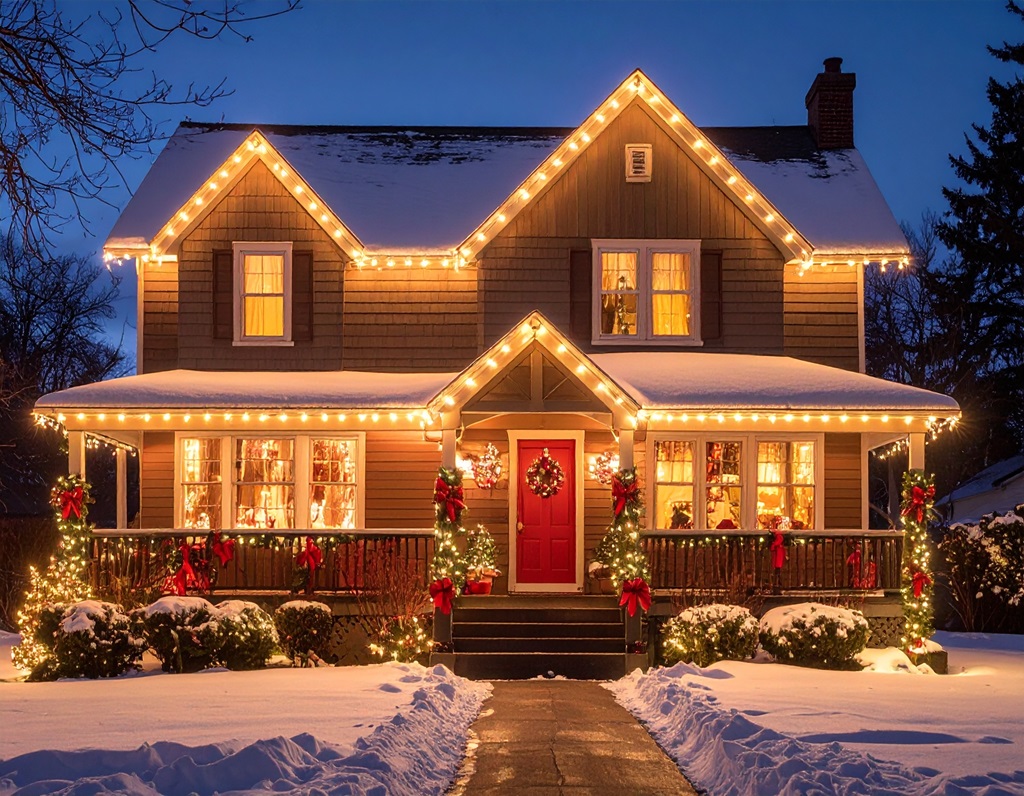
Old Fashion Christmas Lights (Circa 1950’s)
The Origins of the Postwar Glow
While Christmas trees and window candles date back to the 19th century, outdoor Christmas lighting truly took hold in North America during the late 1940s. General Electric had introduced safer strings of electric lights before the war, but shortages of wire and materials kept them rare. Once wartime production ended, companies flooded the market with affordable lighting kits and colourful plastic decorations. (Christmas Lights)
Municipalities, too, encouraged residents to participate. Local improvement associations or “village councils” in communities like Thorncrest and Kingsway launched Christmas decorating contests, complete with judging committees, printed ballots, and awards for “Best Door,” “Best Lighting,” and “Overall Display.” (Christmas Lights)
These competitions were more than holiday fun; they symbolized pride of place. They brought people out of their homes at night to stroll the snowy sidewalks, meet their neighbours, and admire the handiwork of others. Carloads of visitors from downtown Toronto would make the trek west along Dundas or Bloor just to see Etobicoke’s glowing streets. (Christmas Lights)
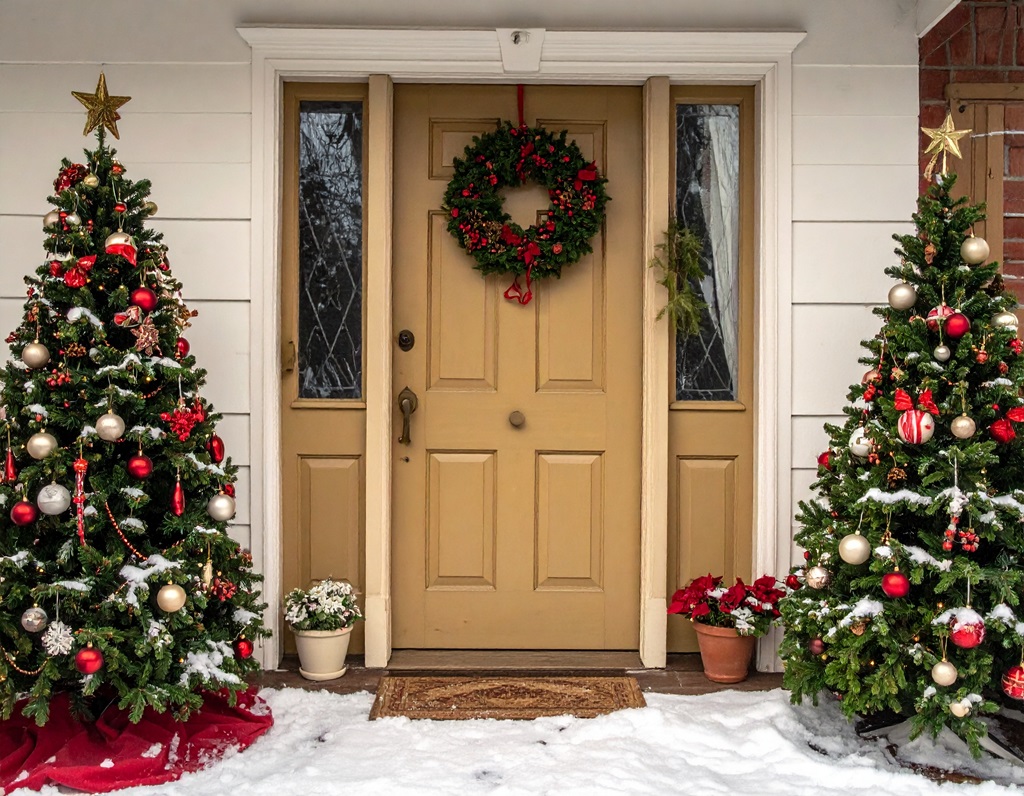
Holiday Door Decorating (Circa 1950’s)
Homemade Magic
Unlike the mass-produced inflatables of today, mid-century decorations were labours of love. Families built plywood sleighs, wire-framed angels, or cardboard Santas painted by hand. Children helped unravel cords, staple lights to wooden frames, and test each bulb with patience (and the occasional shock). (Christmas Lights)
In many households, the holiday display began indoors, with a tree trimmed in glass ornaments and tinsel, and then spread outside, to the porch and yard. Doorways were framed with real evergreen boughs tied with red ribbon. Spotlights, the latest luxury, illuminated hand-painted scenes. (Christmas Lights)
Hardware stores competed to sell new gadgets: revolving tree stands, glitter-sprayed snow, and shiny aluminum icicles. Yet even with these innovations, the focus remained on craftsmanship and personal creativity, not consumption.
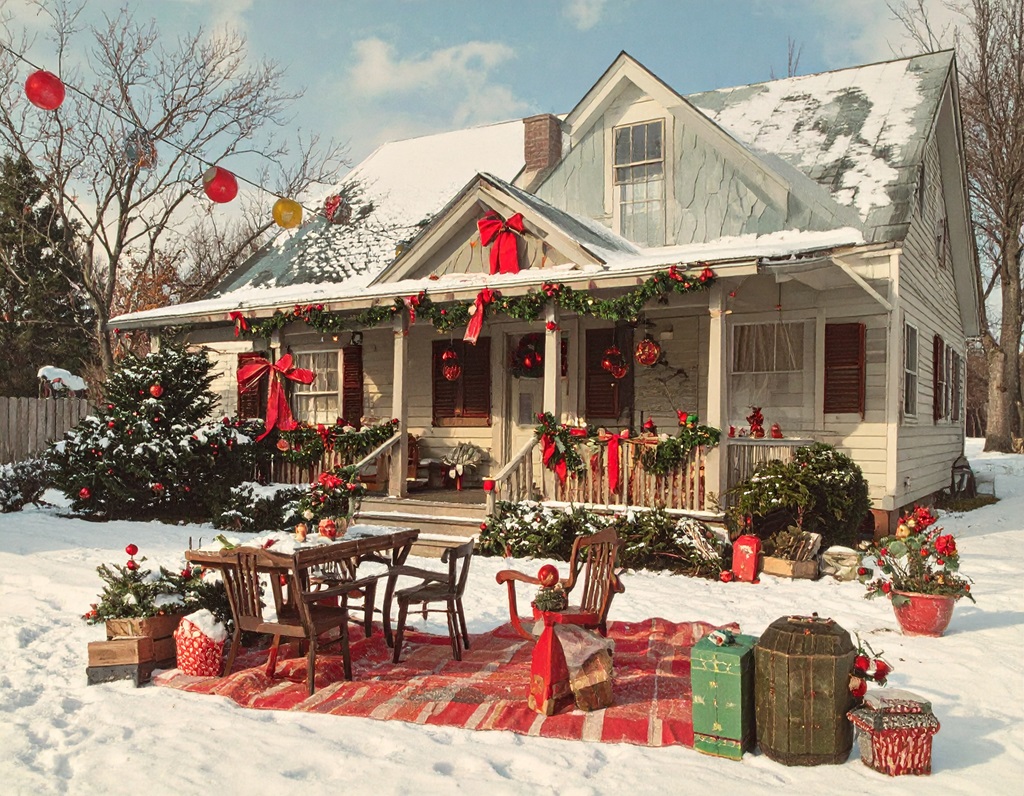
Christmas Decorations Galore (Circa 1950’s)
A Festival of Community
By the 1950s, entire neighbourhoods had become living postcards. Streets like Prince George Drive or Princess Margaret Boulevard sparkled from end to end. (Christmas Lights)
Community newspapers printed lists of winners. Local radio stations even read out the names of particularly impressive homes. The highlight of the season was the village Christmas party, where hot chocolate, carols, and prize ribbons celebrated not just the winners but the spirit of participation. (Christmas Lights)
Visitors came from across Toronto to see the lights, a precursor to today’s drive-through displays. For many children, these glowing streets were their first experience of magic made real. (Christmas Lights)
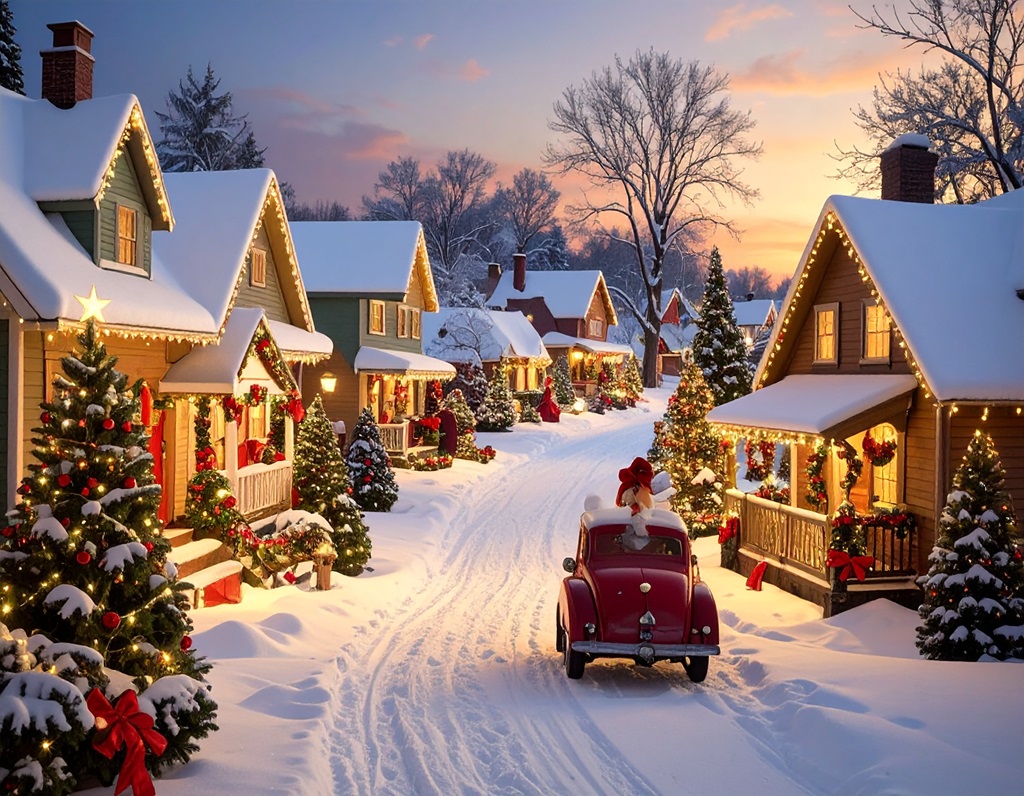
Community Festival of Lights (Circa 1950’s)
The Gradual Fade
By the 1970s and 1980s, however, the culture of home decorating began to dim. Several forces contributed: (Christmas Lights)
- Changing neighbourhood dynamics — as original homeowners aged or moved, the sense of local unity faded.
- Energy costs and safety concerns — rising hydro prices and the fear of overloaded circuits made large displays less appealing.
- Busy lifestyles — longer commutes and dual-income households left less time for handmade decorating.
- Commercialized holidays — shopping malls, parades, and public light festivals replaced the neighbourhood competition.
While some houses still shone brightly, many others went dark, their decorations packed away or discarded as old-fashioned. The “do-it-yourself” spirit that once defined mid-century Christmas gradually gave way to prefabricated convenience.
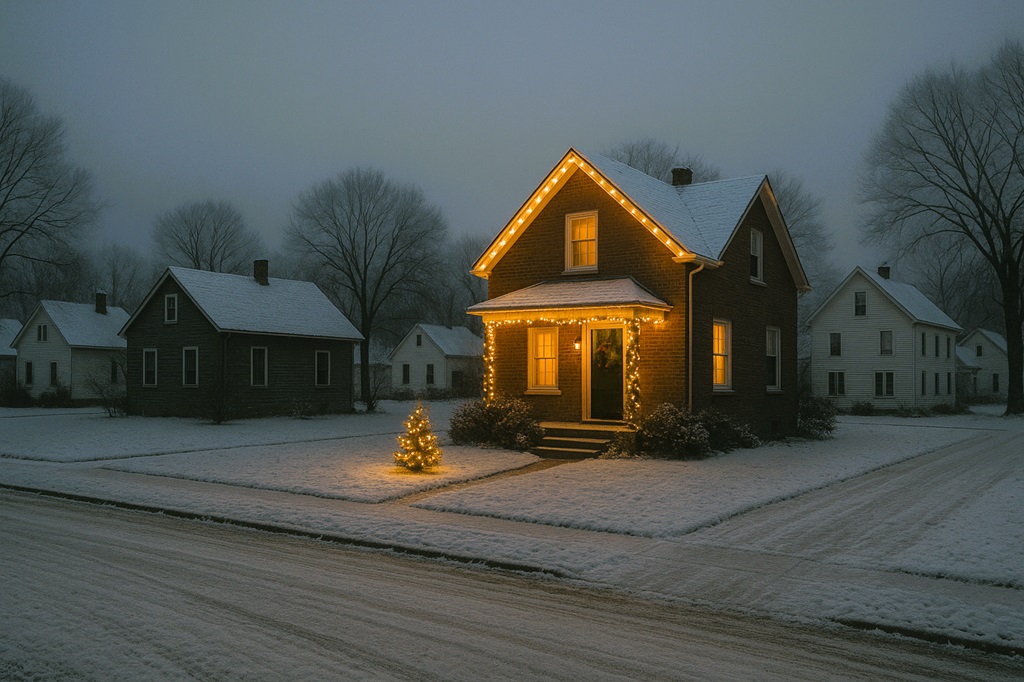
Changing Times (Circa 1970’s)
The Light Lives On
Today, the grand tradition of community decorating has largely shifted from private homes to public spaces. Ontario towns like Niagara Falls, Owen Sound, and Simcoe now host dazzling light festivals that draw thousands of visitors. Technology has made displays brighter and more synchronized, LED strings, animation, and music-to-light shows, but often without the personal touch that once defined neighbourhood celebrations. (Christmas Lights)
Still, in smaller towns and rural communities, echoes of the past survive. You’ll find main streets where merchants coordinate their window displays, or hamlets where residents revive “best-decorated house” contests as fundraisers for local charities. Each of these efforts recalls that older spirit of creativity and shared joy. (Christmas Lights)
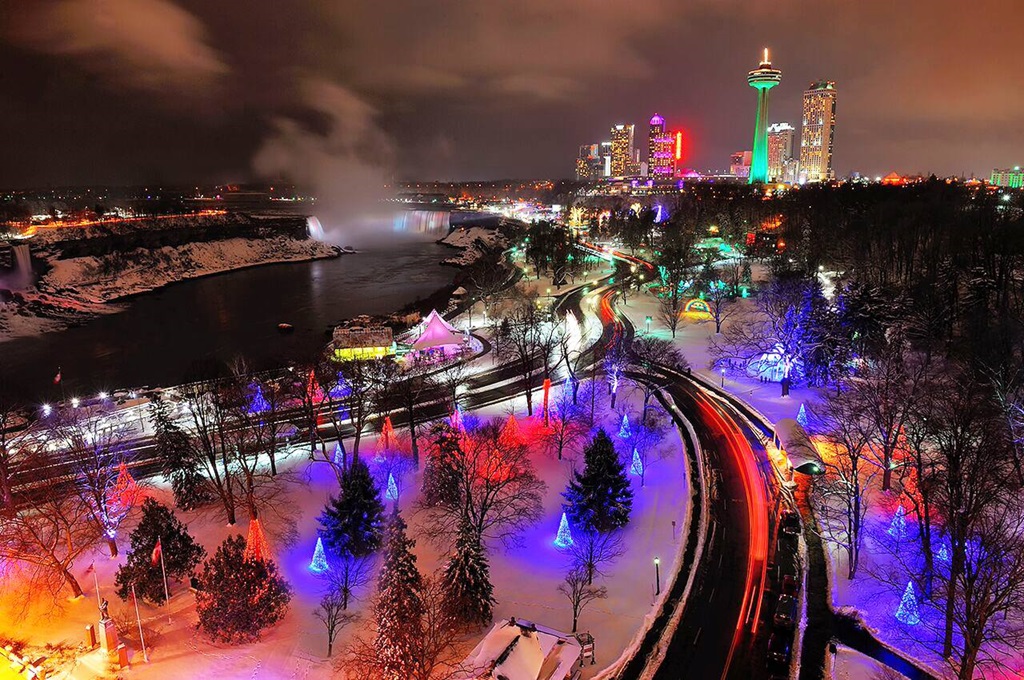
Niagara Falls Winter Festival of Lights
Why It Mattered
Christmas decorating in the 1940s and 1950s was never just about colour and light, it was about community identity. In an era before television dominated evenings, people gathered outdoors. The decorations created a shared experience, a reason to walk the block together and to feel part of something bigger.
The lights represented hope, postwar renewal, and civic pride. For immigrant families arriving in the suburbs, it was also a way to participate in Canadian life, to contribute to a visible celebration that transcended background or religion.
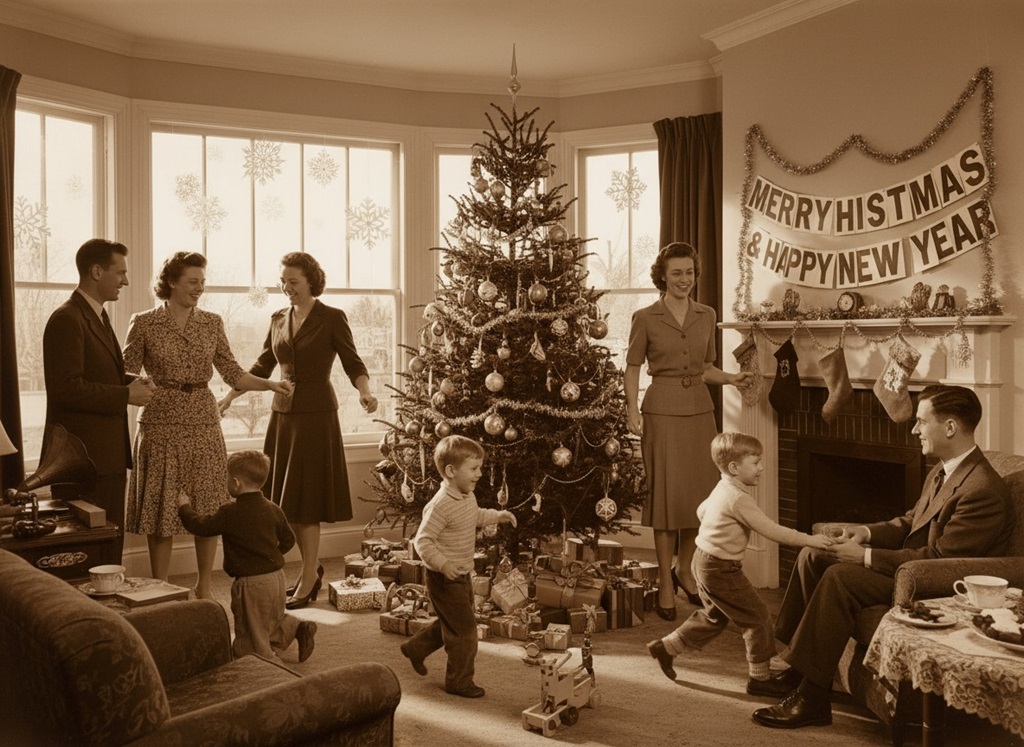
Post War (WW2) Christmas Celebrations
How It Could Shine Again
Bringing back the tradition doesn’t mean recreating the past bulb for bulb. It means rekindling the community connection that powered it. Here’s how towns and neighbourhoods could start:
- Neighbourhood Challenges:
Encourage residents to decorate with a theme, vintage Christmas, natural materials, or “home-made only.” Offer small local prizes or recognition through social media. - Street-by-Street Coordination:
A single block with coordinated lights or colour schemes creates a far greater visual impact than scattered displays. - Partnership with Local Councils or BIAs:
Business Improvement Areas could sponsor light-up nights, providing incentives or free strings of lights to homeowners willing to participate.
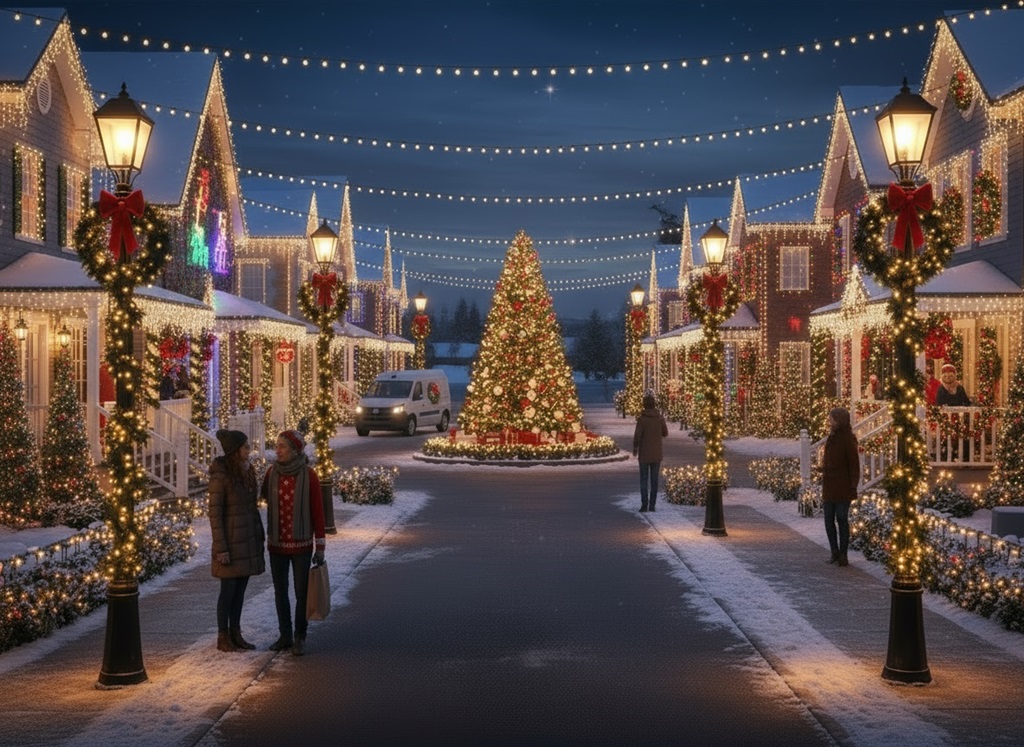
Possible Christmas Community Street Today
- Heritage Light Nights:
Some towns could stage retro-style evenings, encouraging mid-century themes, carol singing, or old-fashioned decorations, echoing the spirit of 1950s Etobicoke. - Eco-Friendly Lighting:
Modern LED technology offers energy efficiency and safety, removing many of the barriers that caused the tradition to fade. - Community Storytelling:
Museums and heritage societies can collect photos and memories of old neighbourhood displays. Sharing these stories helps residents see decorating not as a chore, but as a cultural legacy worth reviving.
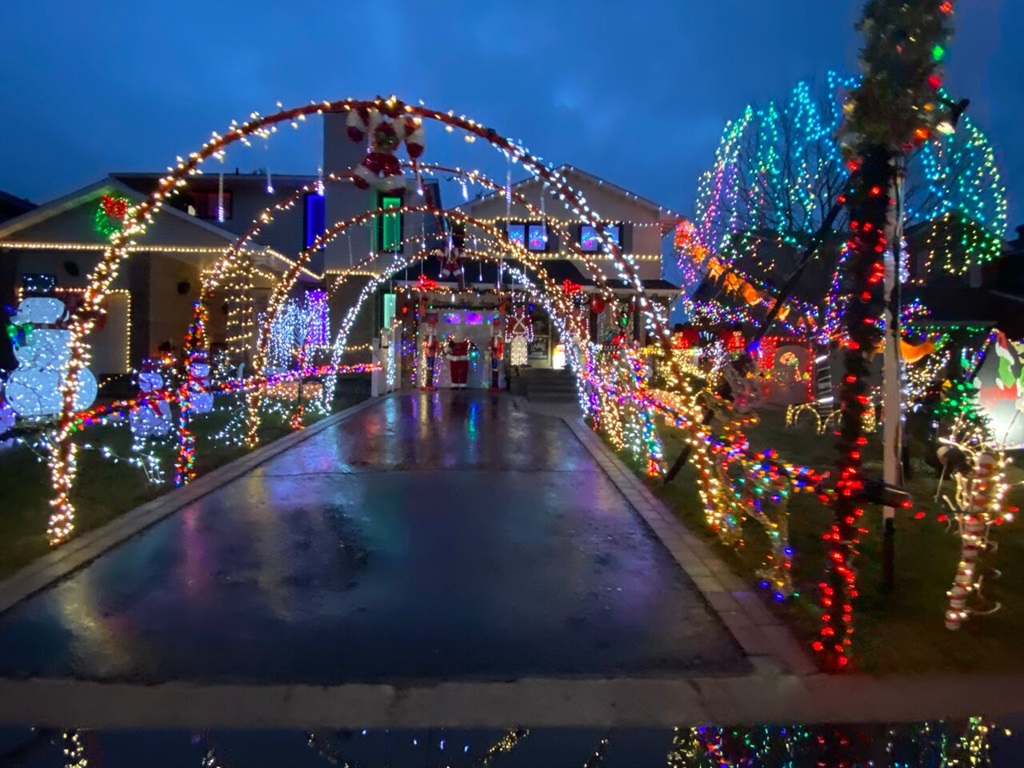
Drive Thru Christmas Lights
Lighting the Way Forward
The magic of Christmas light displays lies not in wattage but in warmth. A single lit doorway on a snowy street can still evoke the same wonder that filled Thorncrest Village seventy years ago.
Every glowing bulb is a small act of optimism, a reminder that joy, beauty, and community connection are still possible even in the darkest months of the year. If every household once again lit up their porches, driveways, and hearts, our winter streets might shine not just with light, but with neighbourly spirit once more.
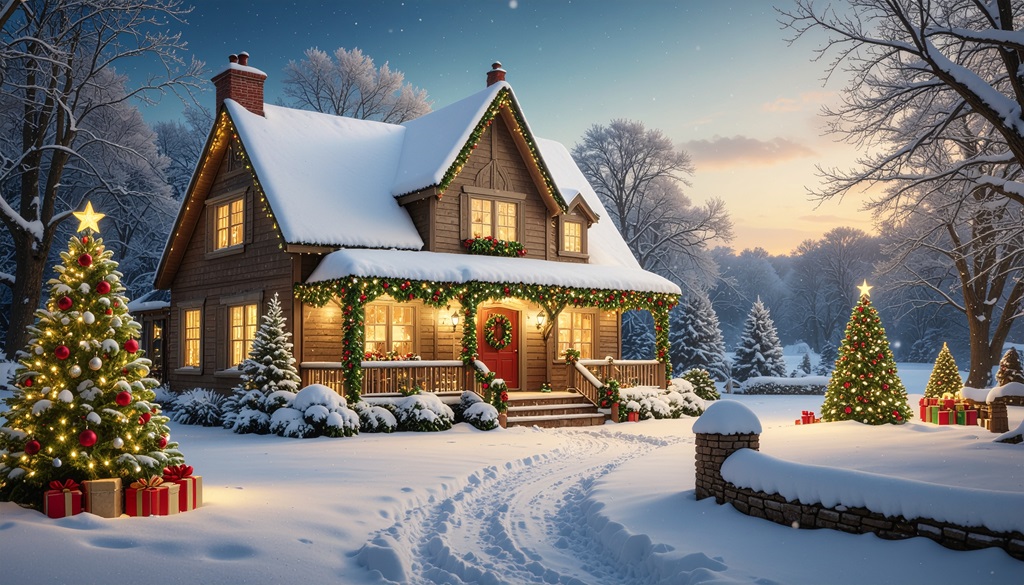
Christmas Magic