
Ontario Historic Towns – Part One
“From Cobblestone Streets to Canal Locks!“
Before there were roads, before the names of towns were etched on maps, Ontario was an immense wilderness of rock, forest, and water. Rivers ran clear and deep, serving as highways long before wheels ever rolled across this land. Indigenous peoples knew every bend and current, every ridge and portage. It was a landscape of balance and belonging, and into it came new settlers, carrying hope, hunger, and hardship in equal measure. (Ontario Historic Towns)
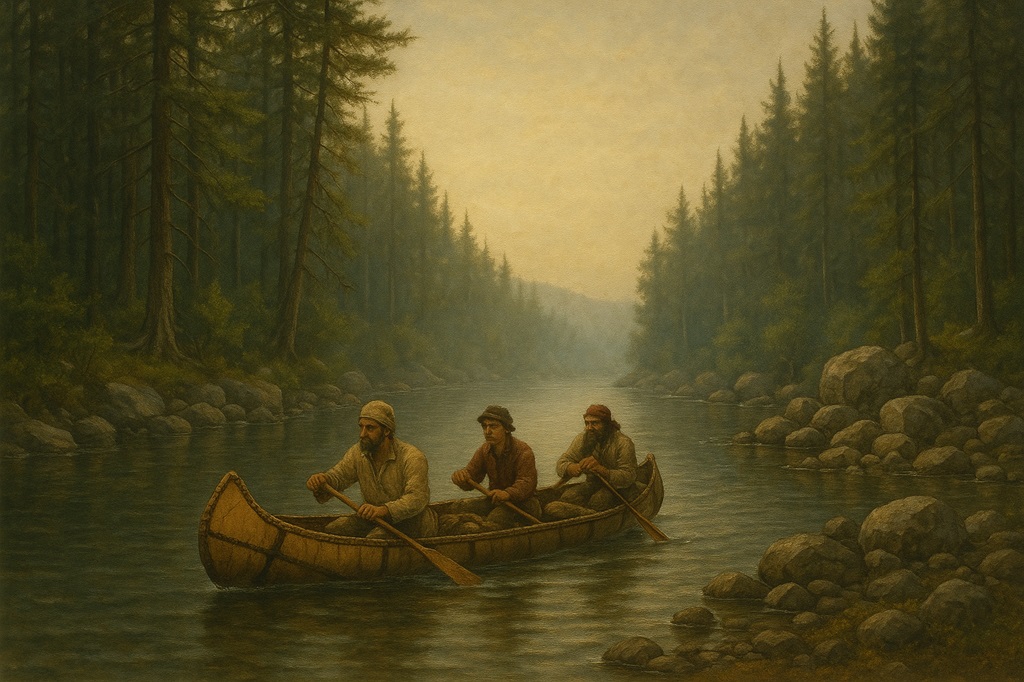
Ontario Wilderness
They came first as Loyalists, fleeing the new American republic after 1783, crossing icy rivers in the dead of winter, dragging wagons through mud, and cutting clearings from the bush. Later came Scottish stonemasons, Irish farmers, English tradesmen, French voyageurs, and immigrants from distant corners of Europe. Together they reshaped this wild expanse into a mosaic of villages, each one a fragile promise that civilization could take root in the northern woods. (Ontario Historic Towns)
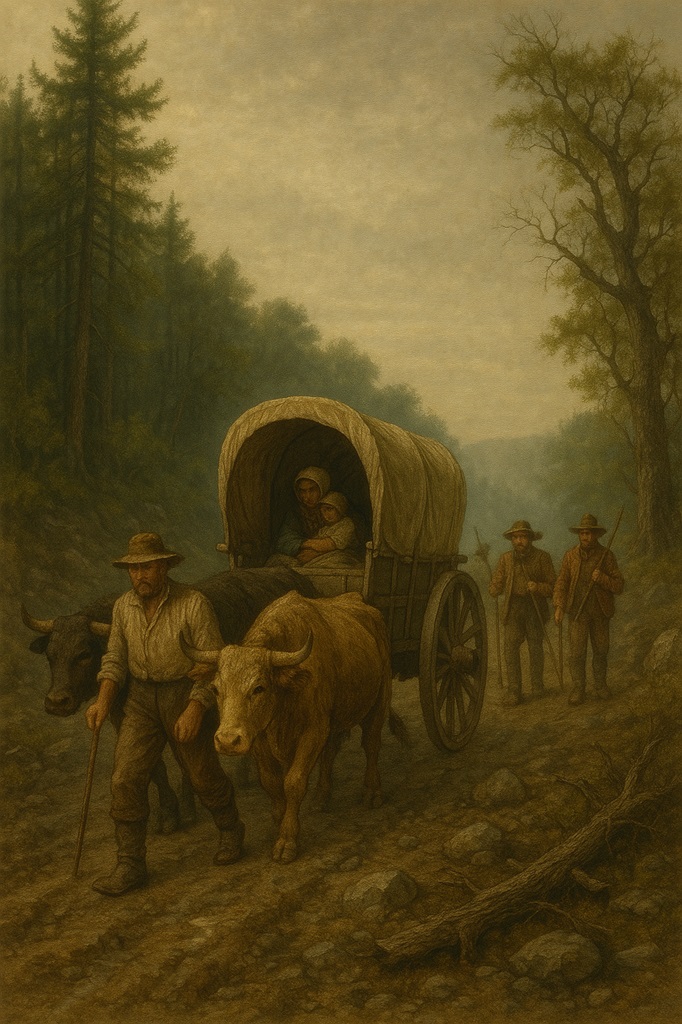
Early Settlers
The story of Ontario’s historic towns is not simply about architecture or nostalgia. It is about endurance, of people who built with their hands, suffered loss, and kept building anyway. Their towns stand today as living testaments to courage carved from hardship. (Ontario Historic Towns)
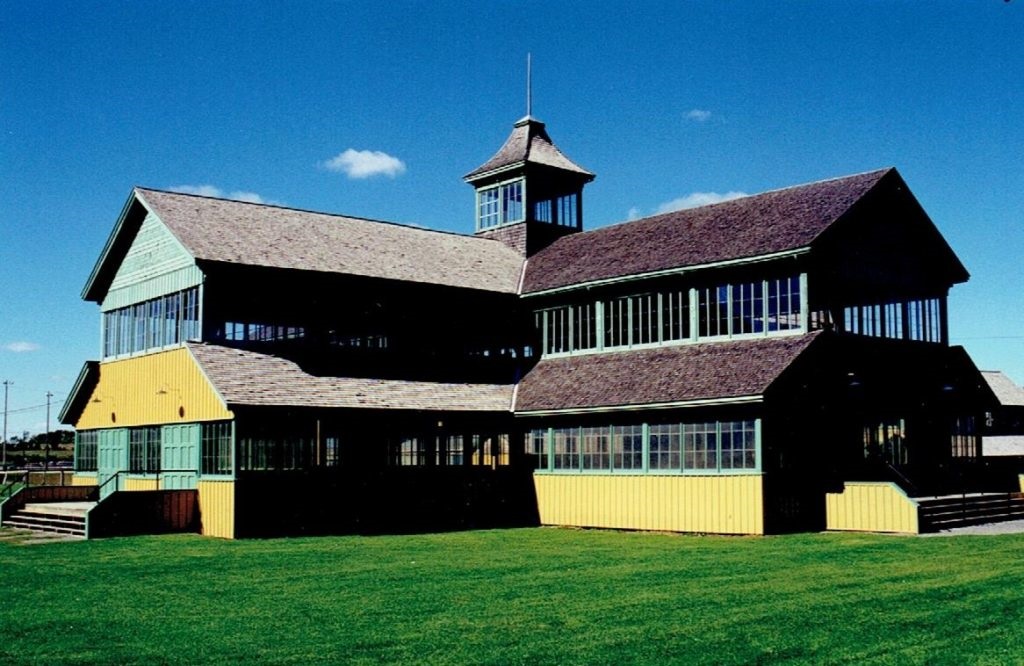
Historic Crystal Palace, Picton
In the shadow of Fort George, the settlement that became Niagara-on-the-Lake began its life in ashes. The Loyalists who founded Newark in the 1780s saw it burned to the ground during the War of 1812. When the smoke cleared, they rebuilt it from ruin, brick by brick, house by house. Georgian façades rose again, perfectly aligned along narrow streets that smelled of lilac and river air. The people who once hid in cellars during cannon fire returned to their trades, blacksmiths, tailors, and innkeepers, determined that the town, like the colony itself, would not die. (Ontario Historic Towns)
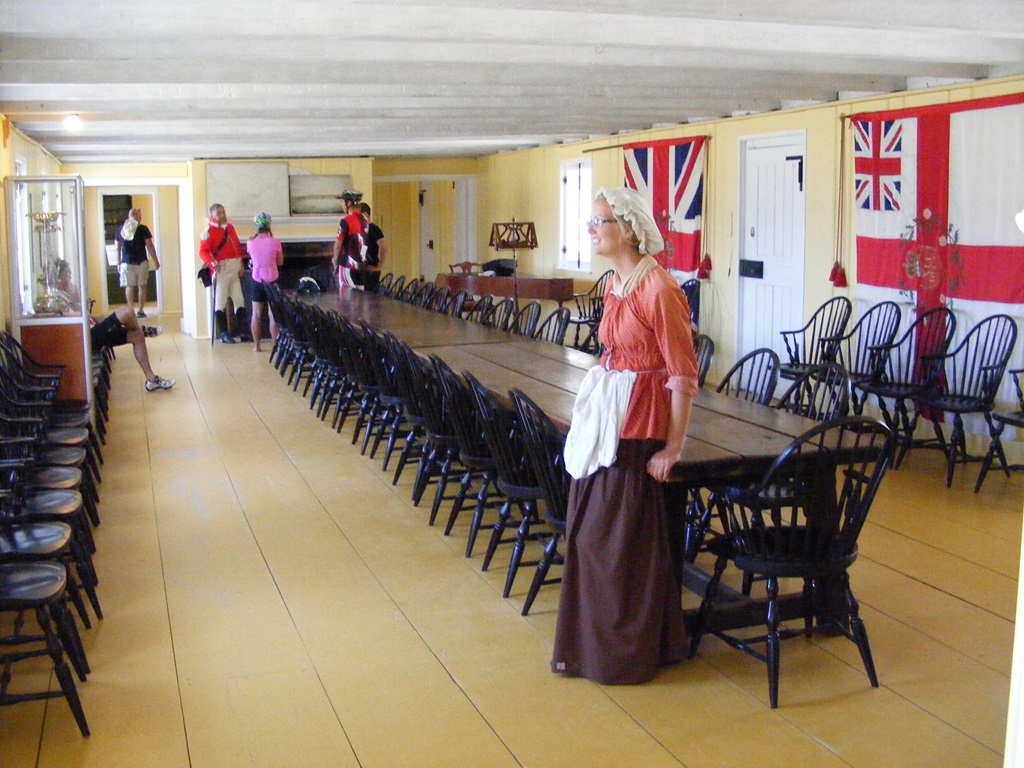
Fort George
Even now, when carriages clatter past white-fenced homes and visitors sip tea under verandas, it’s easy to imagine those early years: soldiers patching walls, children hauling water from the river, and women tending gardens where fortifications once stood. Niagara-on-the-Lake was more than a town; it was the first breath of a new province finding its footing after war. (Ontario Historic Towns)
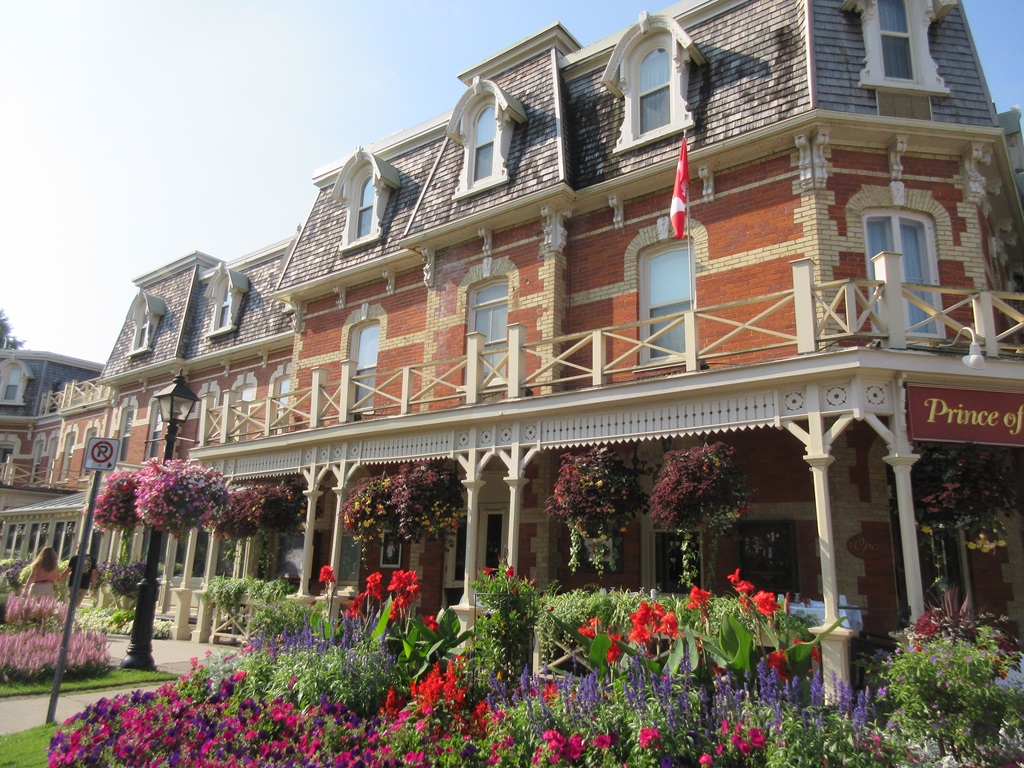
Niagara-on-the-Lake
Farther along the Loyalist Parkway lies Bath, a place so old its roots reach nearly to the birth of Upper Canada itself. Settled in 1784 by discharged soldiers and refugees loyal to the Crown, Bath’s settlers arrived to a shoreline without wharves, fields without roads, and winters that tested the limits of endurance. Their first homes were log shanties sealed with mud, but they endured because they believed in something enduring, order, faith, and the land itself. (Ontario Historic Towns)
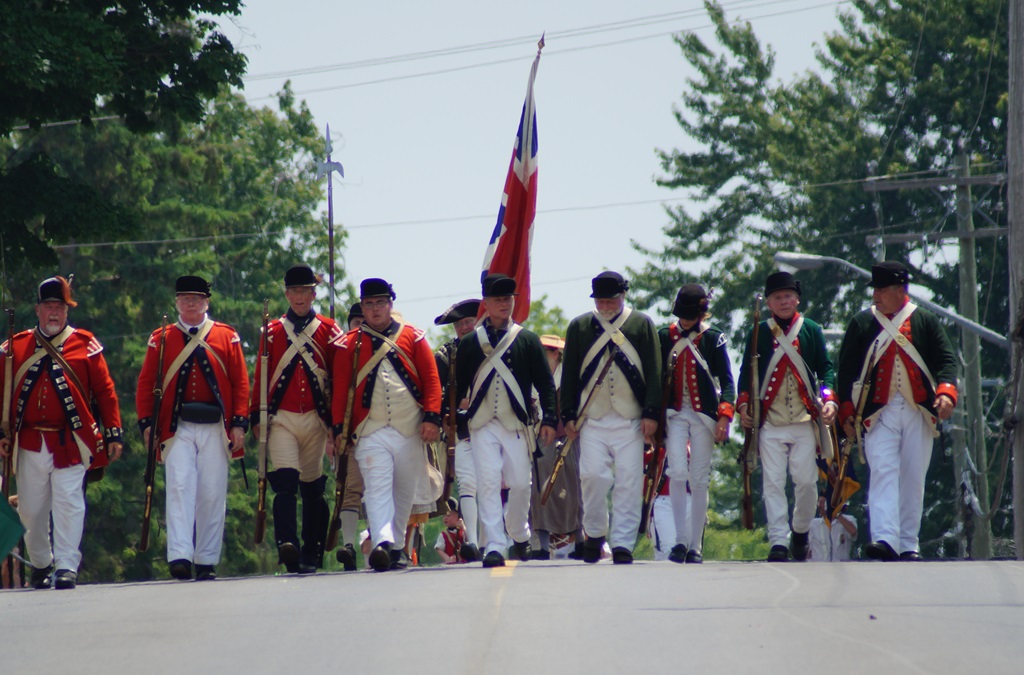
Canada Day in Bath
They built the Fairfield-Gutzeit House in 1796, its Georgian windows looking out upon Lake Ontario, a symbol of grace amid hardship. The War of 1812 would once again threaten everything they had built, but Bath survived, not through grandeur, but through perseverance. The rhythm of hammers and saws replaced the sound of muskets. In Bath, survival itself was the victory. (Ontario Historic Towns)
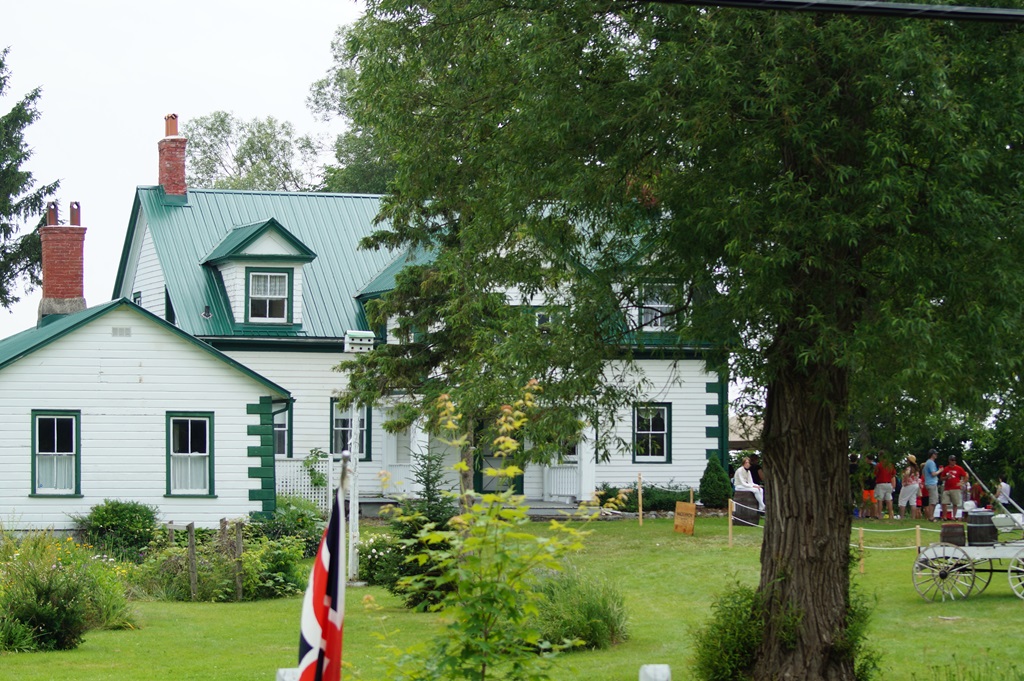
Fairfield-Gutzeit House, Bath
To the north, the Scottish stonemasons who founded Perth in 1816 brought with them the discipline of the Highlands and the precision of their craft. They were soldiers, many of them veterans of the Napoleonic Wars, promised land in exchange for loyalty and labour. When they arrived, the bush was so thick that the sun barely touched the ground. They felled trees, built bridges across the Tay River, and carved fine buildings of limestone that still stand, monuments to skill and stubbornness.
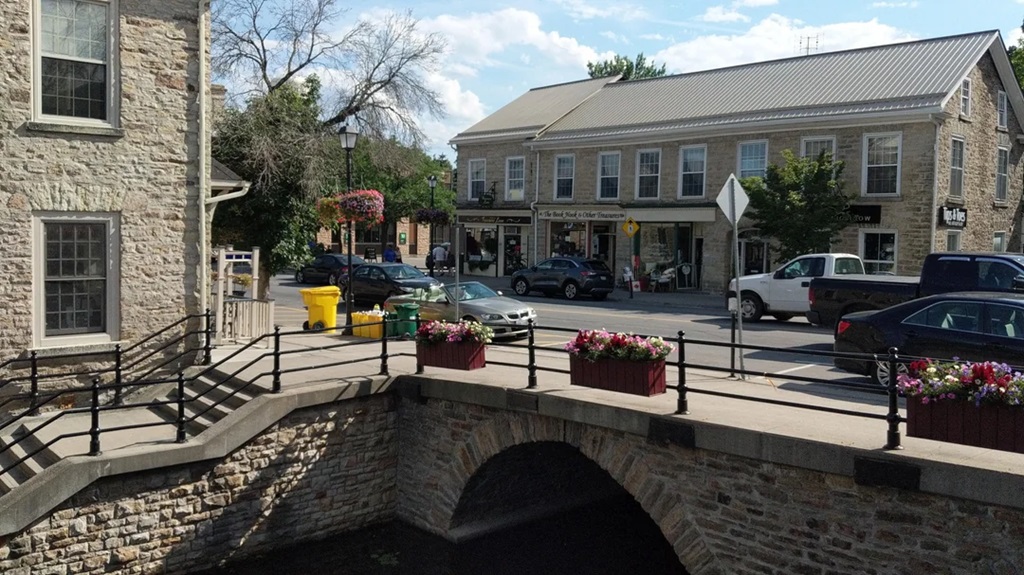
Historic Stone Buildings, Perth
Winter could take lives; spring could take homes with its floods. Yet Perth prospered. Its streets grew orderly and its church bells steady. The settlers’ stone walls, built to keep cattle from wandering, became the skeleton of a community. Even now, when the breeze carries the scent of lilacs through Stewart Park, one can sense the endurance of those who refused to yield to the land, instead, they shaped it. (Ontario Historic Towns)
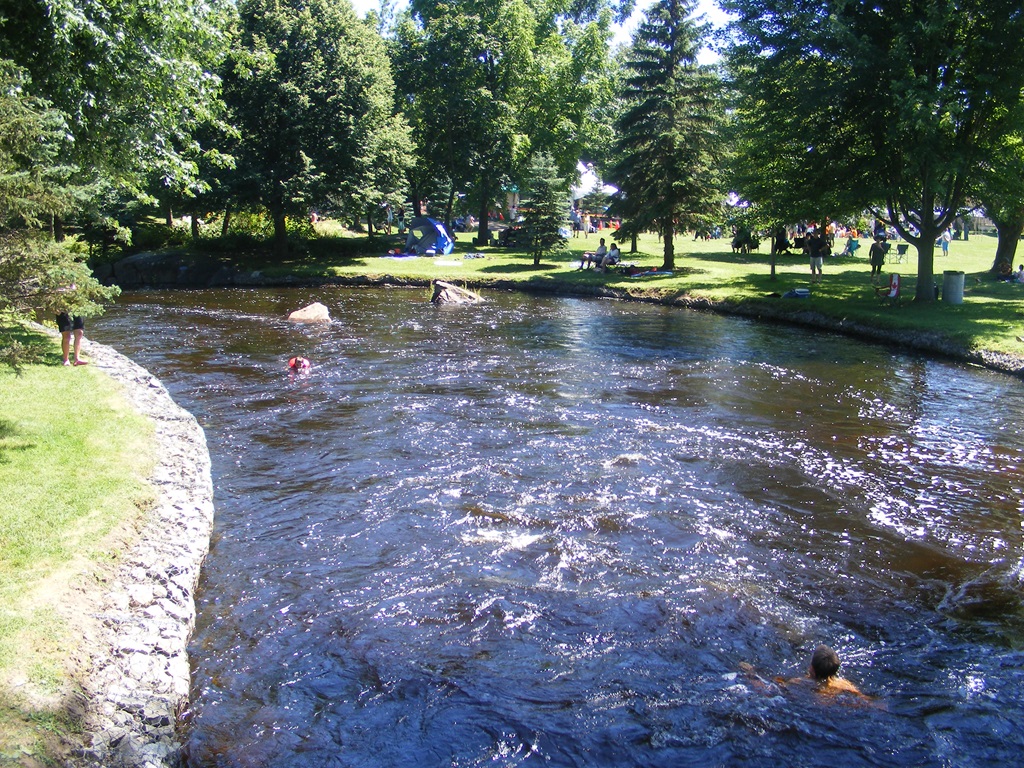
Stewart Park, Perth
In Paris, at the confluence of the Grand and Nith Rivers, the early settlers found both beauty and challenge. The rivers promised power, a source for mills, but they also brought floods that swept away bridges and barns. Founded in the 1820s by American-born Hiram Capron, Paris was a place of invention. From its earliest years, Capron envisioned more than a village of farmers; he saw industry, commerce, and progress. He harnessed the rivers, erected mills, and encouraged tradesmen to settle.
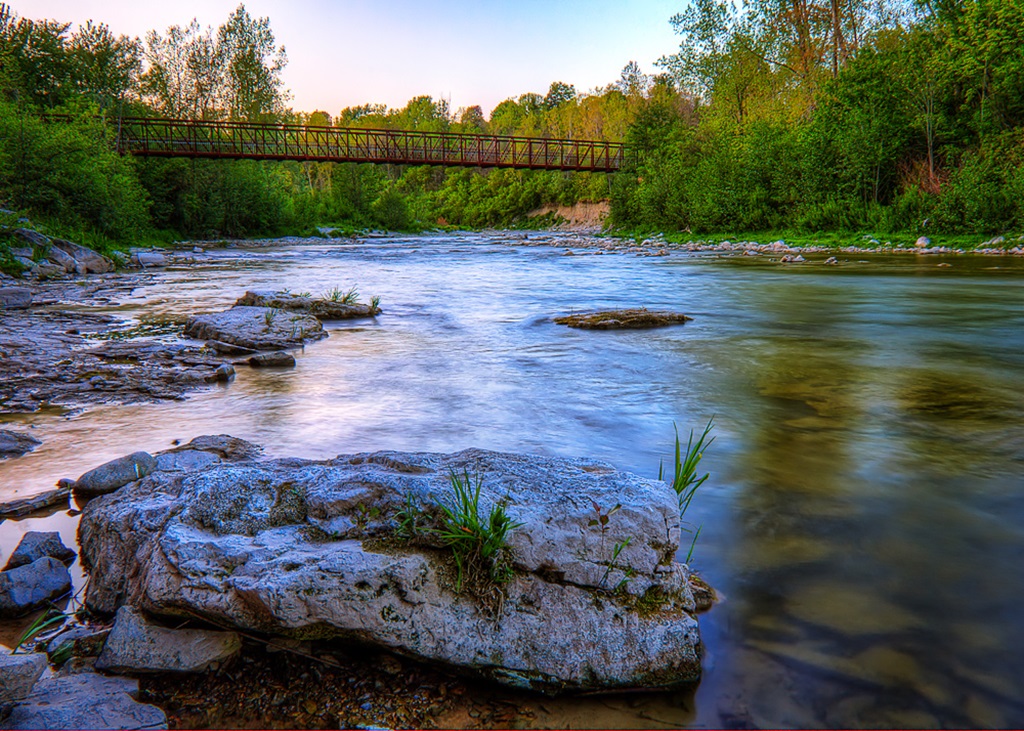
Nith River, Paris
The homes and churches that followed were built from smooth river stones, each one carried by hand or cart from the fields. They glimmer in the sunlight today, earning Paris the title Cobblestone Capital of Canada. But behind the beauty lies hardship: years when crops failed, when waterwheels froze solid, and when Capron himself struggled to keep his vision alive. Still, the town endured, its cobblestones a metaphor for its builders, rough, worn, yet enduring. (Ontario Historic Towns)
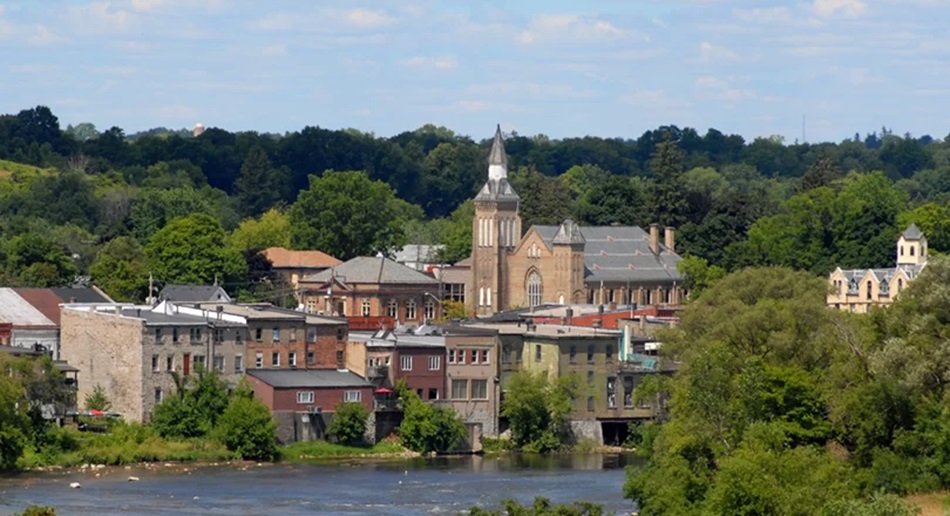
Historic Downtown Paris
To the west, the surveyors of the Canada Company laid out a new town on the cliffs above Lake Huron. They called it Goderich, and though it looked peaceful on paper, it was anything but easy to build. John Galt, the company’s founder, imagined an orderly town of wide streets radiating from an octagonal square, a design inspired by Enlightenment ideals of harmony and reason. But the settlers who came faced constant wind, poor soil, and isolation. (Ontario Historic Towns)

Cliffs above Lake Huron, Goderich
They dug wells through clay, quarried stone, and planted trees that bent in the gales off the lake. When salt was discovered nearby, the town’s fortune changed, the mineral that once burned their fields became the source of prosperity. Goderich grew into one of Ontario’s most distinctive ports, but its beauty was hard-won. Even today, standing atop the bluff as the lake stretches endlessly below, one feels the loneliness that shaped those early lives (Ontario Historic Towns)

Salt Mine, Goderich
Along the Rideau Canal, carved by hand between 1826 and 1832, small communities rose beside the locks that stitched together the wilderness. One of the most picturesque was Merrickville, founded by millwright William Merrick. The canal transformed his sawmill village into a thriving crossroads.
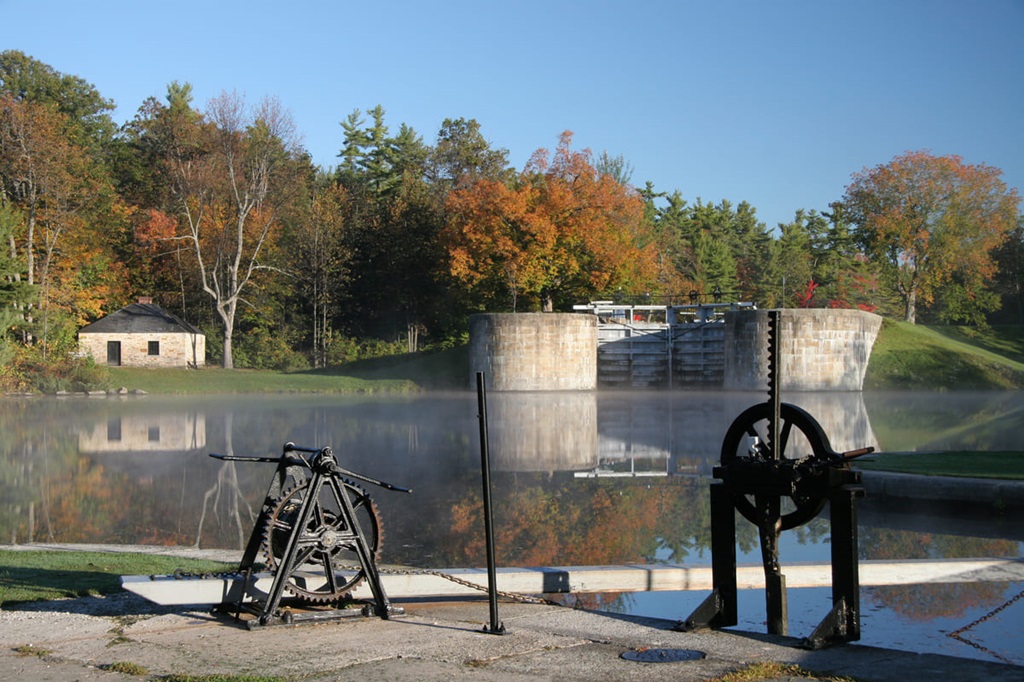
Rideau Canal Lock
But progress came at a cost: malaria carried by mosquitoes in the canal swamps, backbreaking labour, and isolation for months of winter. Families lived on little more than salted pork and hard bread. Yet from that struggle came something lasting, elegant stone buildings, blacksmith shops, and graceful churches. The canal, built for war, became a lifeline for trade and travel. Today, boats still rise and fall through hand-cranked locks, the same way they did nearly two centuries ago, a mechanical heartbeat connecting past and present.
Look for Part Two…