



















Challenges, Impacts & Strategic Considerations for Municipal Leaders
Executive Summary
Ontario’s agricultural fairs are long-standing community institutions that contribute to rural identity, local economies, youth development, tourism, and agricultural literacy.
However, many fairs are facing increasing operational pressures, including:
- Reduced or eliminated municipal financial support
- Increased service fees (policing, sanitation, infrastructure, utilities)
- Expanded regulatory requirements
- Insurance and compliance cost increases
- Fairground repurposing or land-use pressures
- Declining volunteer recruitment
These challenges, if not addressed collaboratively, risk weakening or eliminating events that have operated successfully for generations.
Agricultural fairs are not merely entertainment events. They function as economic drivers, educational platforms, tourism anchors, and volunteer leadership incubators.
Municipal decision-makers are key stakeholders in ensuring their sustainability.
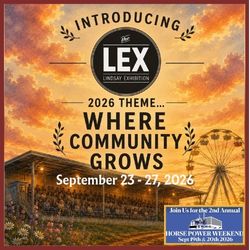
Lindsay Exhibition
-
Scope & Provincial Context
Agricultural fairs operate across rural and semi-rural Ontario communities, many with histories exceeding 100 years.
The Ontario Association of Agricultural Societies represents hundreds of agricultural societies and fairs across the province. Collectively, these fairs:
- Engage thousands of volunteers annually
- Provide youth programming through livestock, homecraft, and agricultural competitions
- Support local vendors, food producers, and small businesses
- Attract regional tourism visitation
Ontario’s agriculture and agri-food sector is a major contributor to the provincial economy, supporting rural employment, food systems, and supply chains. Fairs serve as grassroots connectors between consumers and producers.
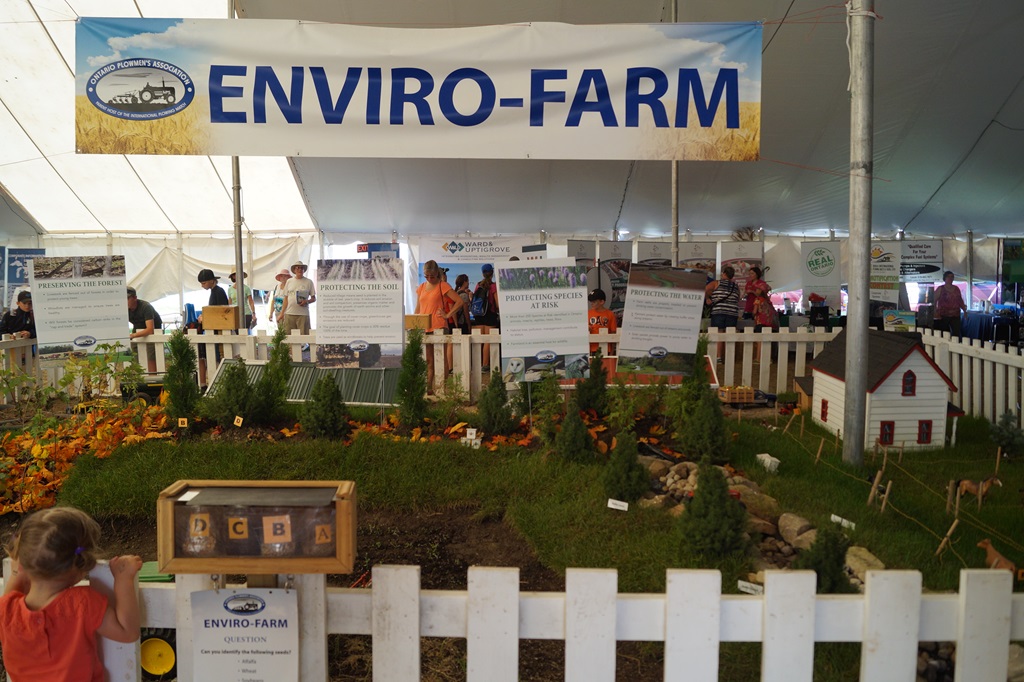
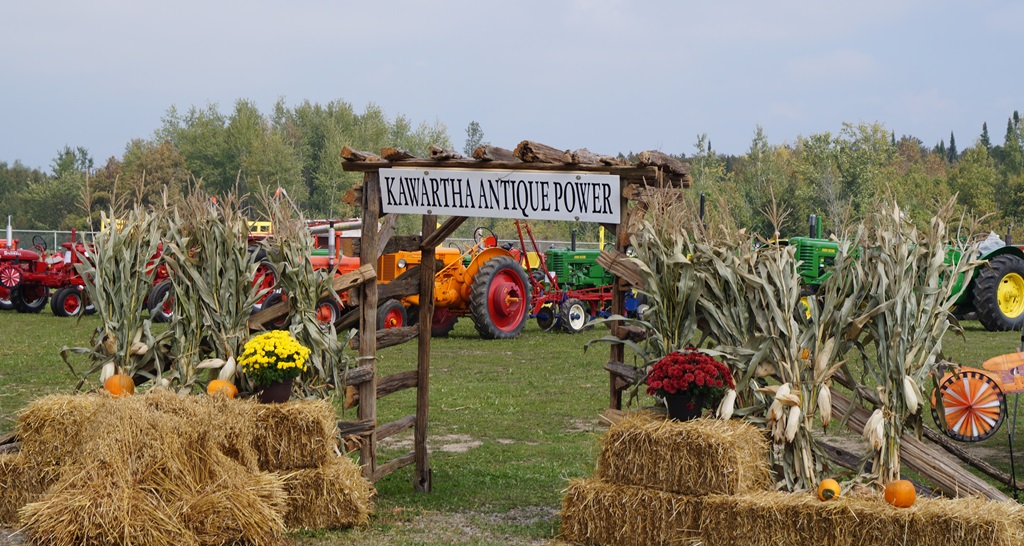
International Plowing Match
-
Economic Impact Considerations
While individual fair budgets vary, agricultural fairs generate local economic activity through:
Direct Impacts
- Gate admissions
- Vendor participation fees
- Sponsorship investments
- Equipment rentals
- On-site spending (food, midway, merchandise)
Indirect Impacts
- Increased local retail traffic
- Restaurant and accommodation usage
- Fuel purchases
- Agricultural supply and service purchases
Even modest-sized fairs stimulate measurable short-term economic activity within host communities.
For many small municipalities, a fair may be one of the largest annual community-based economic events.
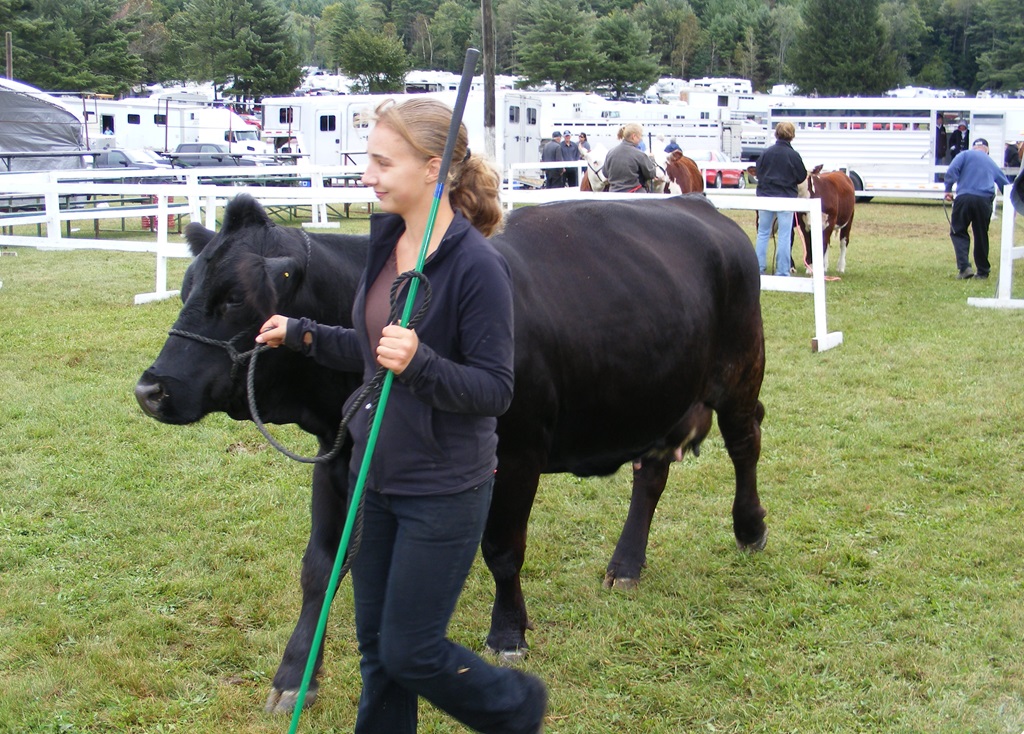
Kinmount Fair
-
Social & Community Value
Agricultural fairs provide:
Community Cohesion
- Intergenerational gathering spaces
- Shared traditions
- Volunteer engagement opportunities
- Civic pride
Youth Development
- Agricultural education
- Leadership training
- 4-H engagement
- Community service opportunities
- Skill development (organization, communication, responsibility)
Agricultural Literacy
- Public exposure to livestock and food production
- Farm-to-table awareness
- Rural heritage education
As Ontario urbanizes, these functions become increasingly important.
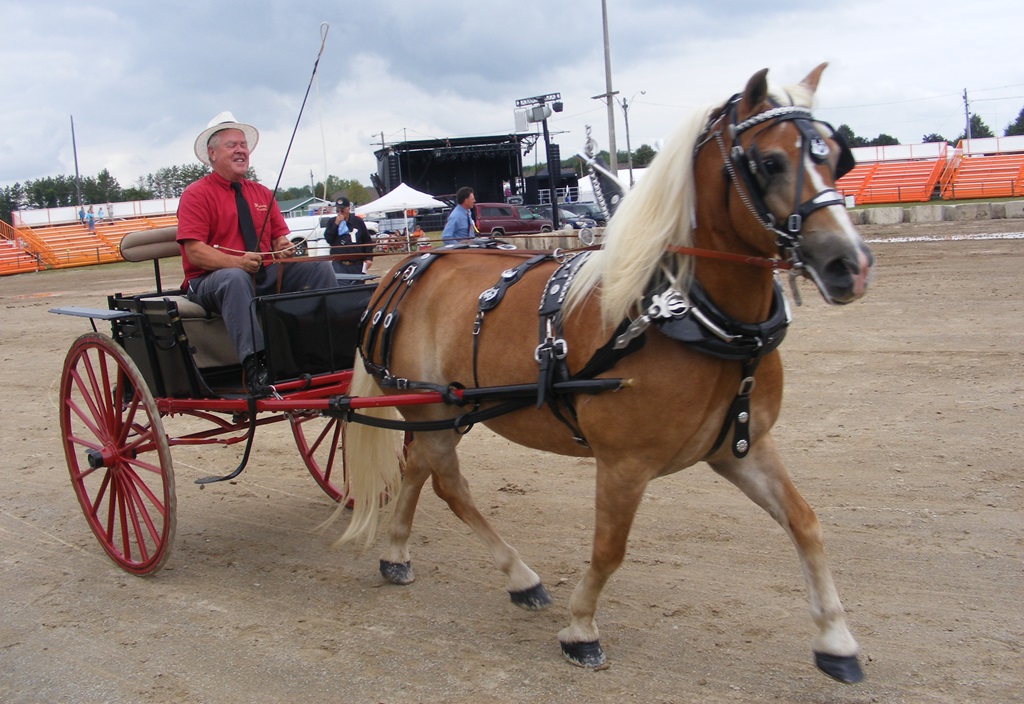
Paris Fair
-
Current Pressures Facing Fairs
4.1 Municipal Financial Reductions
Reduced or eliminated municipal funding can create immediate operational deficits. Agricultural societies often operate on narrow margins and rely on predictable annual support.
Loss of funding may result in:
- Reduced programming
- Increased admission fees
- Decreased marketing
- Volunteer burnout
4.2 Rising Service Costs
Municipal services previously provided in-kind (e.g., waste removal, policing, equipment use, grounds maintenance) are in some communities now billed at full cost recovery rates.
Increased charges can represent a significant percentage of total fair budgets.
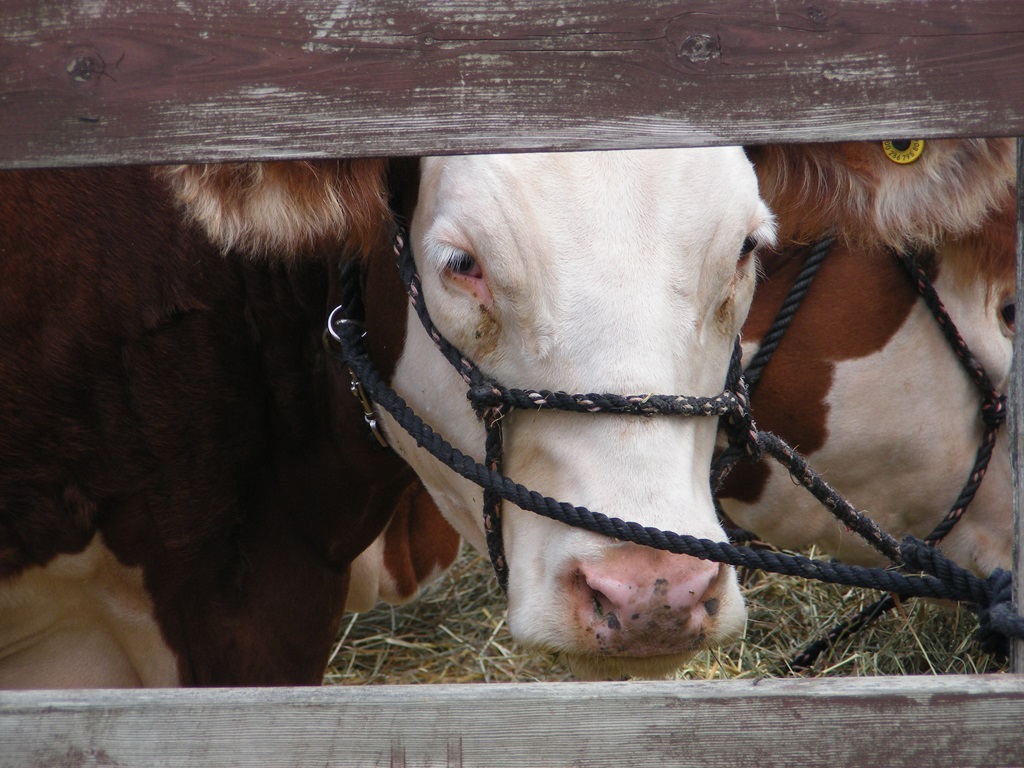
Port Perry Fair
4.3 Regulatory & Compliance Burdens
Health, safety, and event regulations are essential; however, increased administrative requirements require time, expertise, and often additional financial outlay.
Volunteer boards may lack the capacity to absorb expanded compliance demands without professional support.
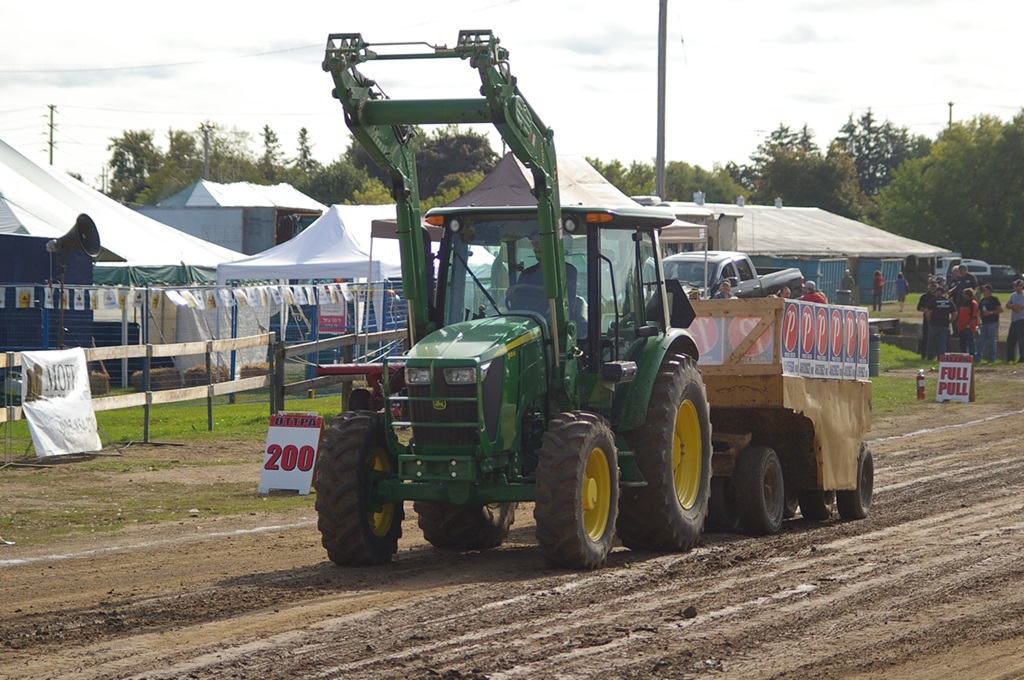
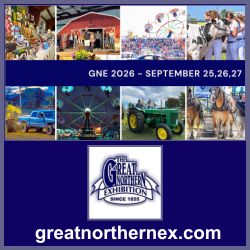
Great Northern Exhibition
4.4 Fairground Land-Use Pressures
In rare but concerning cases, fairgrounds have been repurposed or reallocated for other municipal functions.
Fairgrounds represent:
- Historic assets
- Multi-use community spaces
- Emergency gathering areas
- Tourism infrastructure
Loss of fairgrounds can permanently eliminate agricultural exhibition capacity.
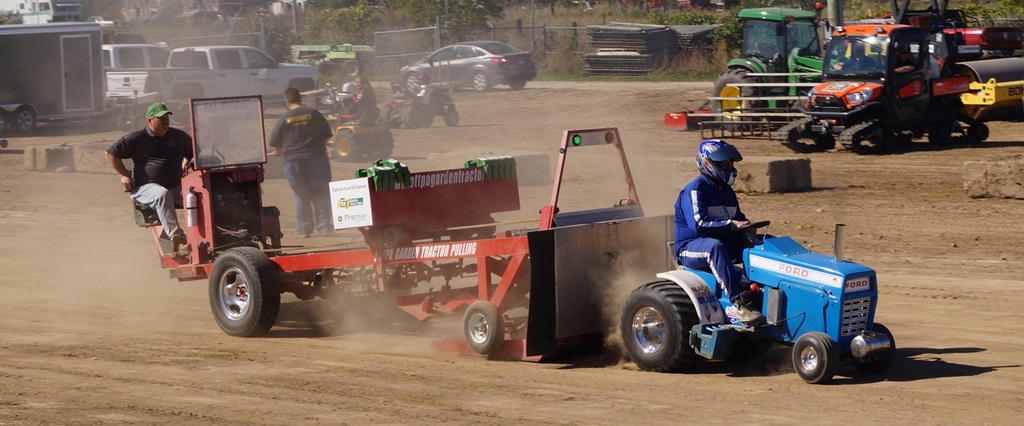
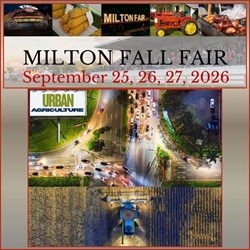
Milton Fall Fair
-
Volunteer Pipeline Implications
Volunteer sustainability depends on:
- Community pride
- Organizational stability
- Clear municipal support
- Positive public perception
When fairs face uncertainty or perceived lack of municipal value, youth and new volunteers may be less inclined to engage.
Declining volunteer numbers can lead to:
- Reduced programming
- Event contraction
- Increased workload for remaining volunteers
- Leadership succession gaps
This creates a sustainability cycle that can be difficult to reverse.
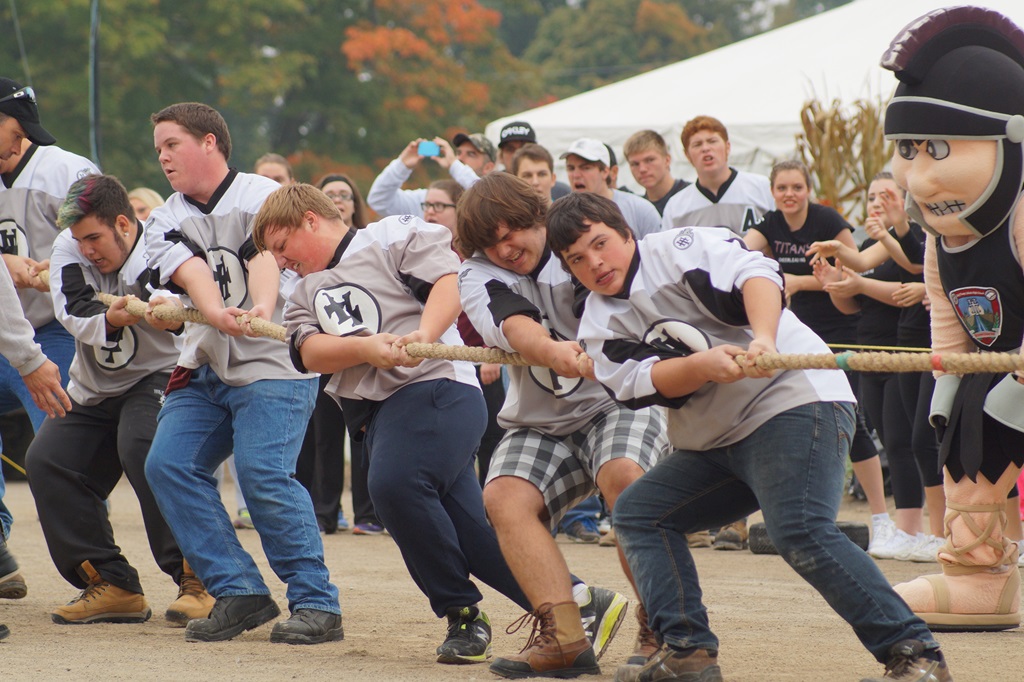
Norfolk County Fair and Horse Show
-
Strategic Considerations for Municipal Leaders
Agricultural fairs should be evaluated not solely as annual expenditures, but as long-term community assets.
Considerations include:
6.1 Economic Development Lens
- Recognize fairs as tourism and economic drivers
- Measure indirect economic activity
- Include fairs in municipal tourism strategies
6.2 Community Development Lens
- Support youth engagement initiatives
- Promote agricultural literacy
- Encourage volunteer participation

Quinte Rode
6.3 Infrastructure Lens
- Preserve fairgrounds as multi-use assets
- Recognize their emergency and community functions
- Explore shared-use agreements
6.4 Partnership Model
- Establish annual review meetings with agricultural societies
- Explore multi-year funding commitments for stability
- Identify grant collaboration opportunities
- Develop joint marketing initiatives
Collaboration, rather than withdrawal, strengthens outcomes for both municipalities and fairs.
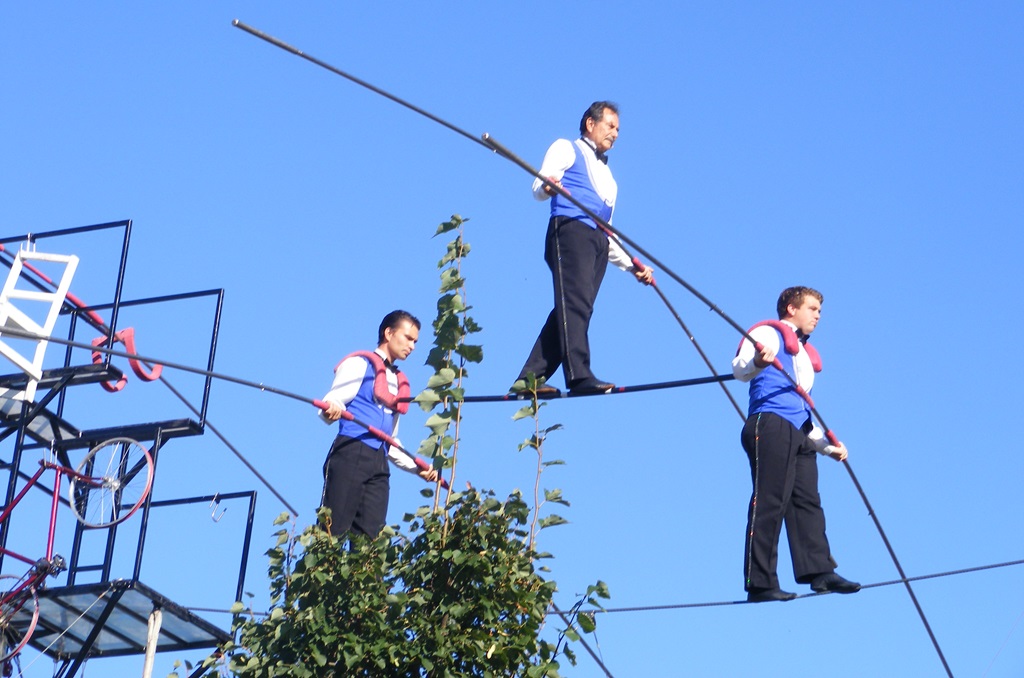
Western Fair
-
Long-Term Community Impact
When fairs diminish or close, communities may experience:
- Reduced tourism visitation
- Loss of agricultural education opportunities
- Decreased volunteer engagement
- Weakening of intergenerational connections
- Diminished community identity
Conversely, sustained support for fairs fosters:
- Civic pride
- Youth leadership
- Rural economic resilience
- Preservation of local heritage
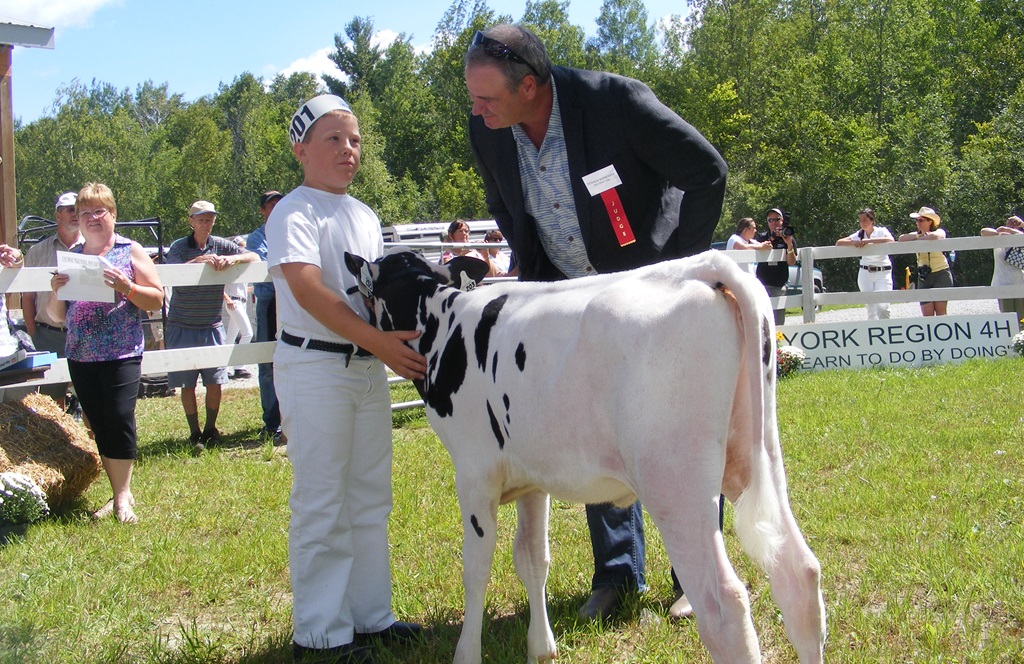
Sutton Fair and Horse Show
Conclusion
Ontario agricultural fairs are not relics of the past.
They are active contributors to economic vitality, agricultural education, tourism engagement, and volunteer development.
Municipal partnerships play a critical role in sustaining these institutions.
Strategic collaboration, stable support, and recognition of fairs as community assets will ensure that they continue to serve Ontario communities for generations to come.
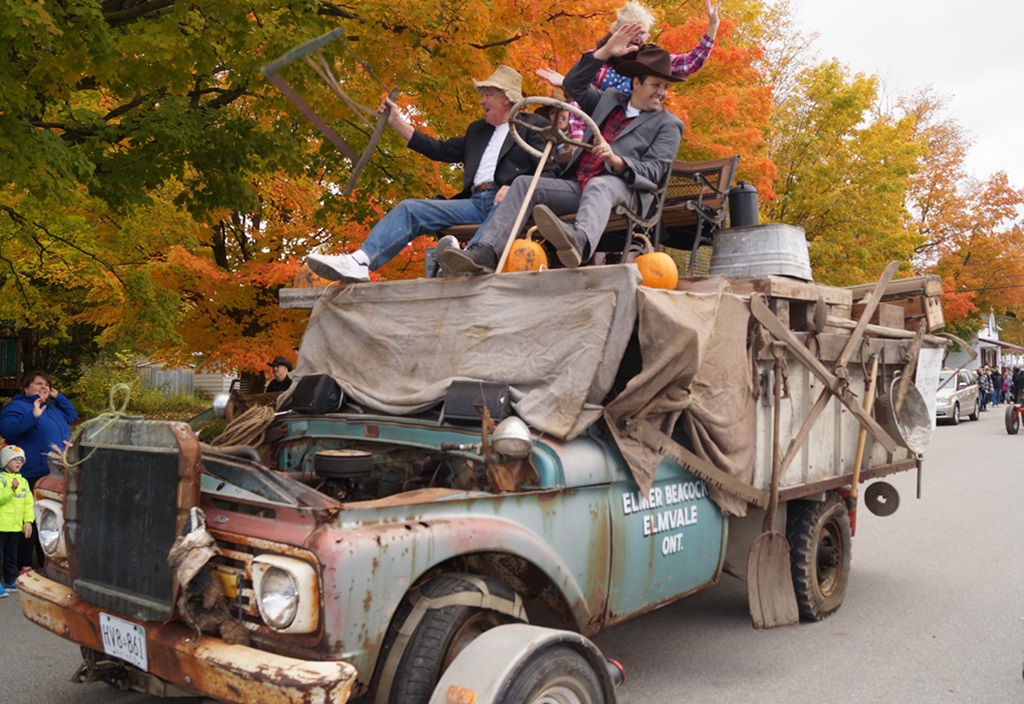
Elmvale Fall Fair Parade