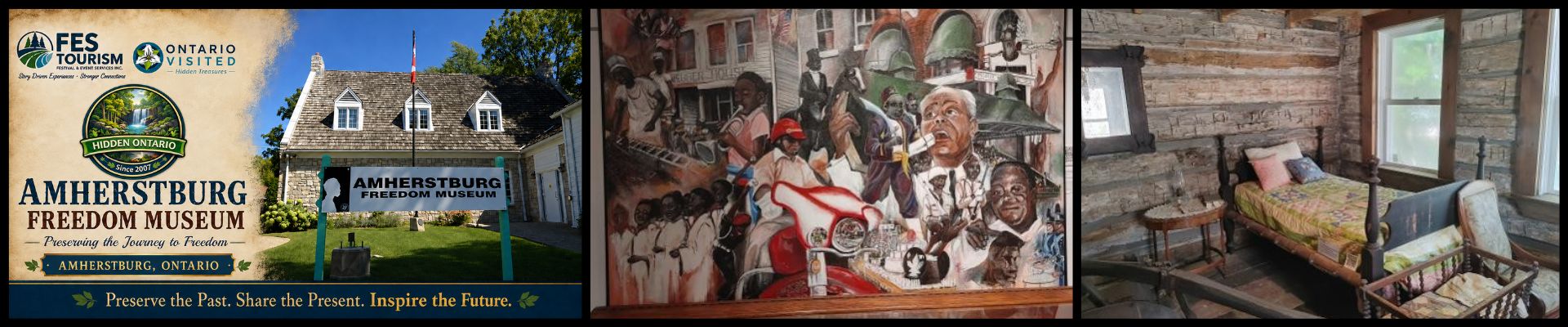

















Amherstburg Freedom Museum: Preserving the Journey to Freedom

Amherstburg • Essex County • Southwestern Ontario

Standing on the banks of the Detroit River, Amherstburg was once the final destination for thousands of freedom seekers escaping slavery in the United States. For those who crossed the river into Upper Canada during the 19th century, these shores represented something many had never known—freedom.

Today, the Amherstburg Freedom Museum preserves those powerful stories, ensuring that the courage, resilience, and contributions of Black Canadians remain an enduring part of Ontario’s history
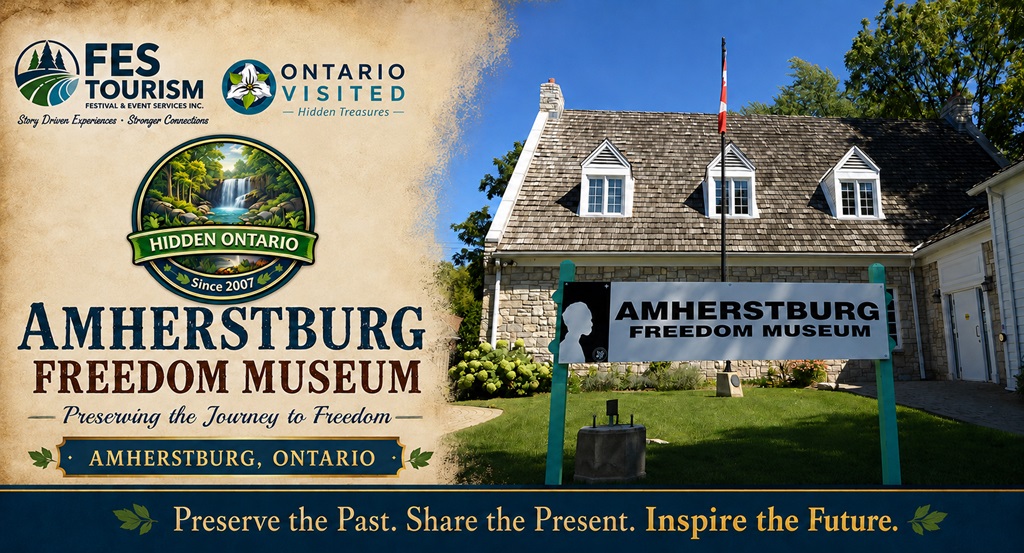

Amherstburg Freedom Museum Banner


Visitor Experience

📍 Location 277 King Street, Amherstburg, Ontario
📅 Best Season Year-round
⏰ Hours Hours vary seasonally
💲 Admission Admission • Adult $7.50 • Seniors and Students $6.50
♿ Accessibility Accessible entrance and visitor facilities
🅿️🚻 Amenities Parking • Gift Shop • Washrooms • Guided Tours
🕒 Recommended Time 1.5–2.5 hours
🌐 Website amherstburgfreedom.org

What You Need to Know

The Amherstburg Freedom Museum tells the story of the Underground Railroad and the thousands of African Americans who escaped enslavement by making the dangerous journey across the Detroit River into Canada.

The museum’s campus includes the historic Nazrey African Methodist Episcopal (AME) Church, built in 1848, one of the oldest surviving Black churches in Ontario. Through exhibits, artifacts, photographs, and personal stories, visitors gain a deeper understanding of both the hardships endured by freedom seekers and the vibrant Black communities they helped establish in southwestern Ontario.

Guided tours provide valuable insight into the remarkable individuals whose determination helped shape Canadian history.
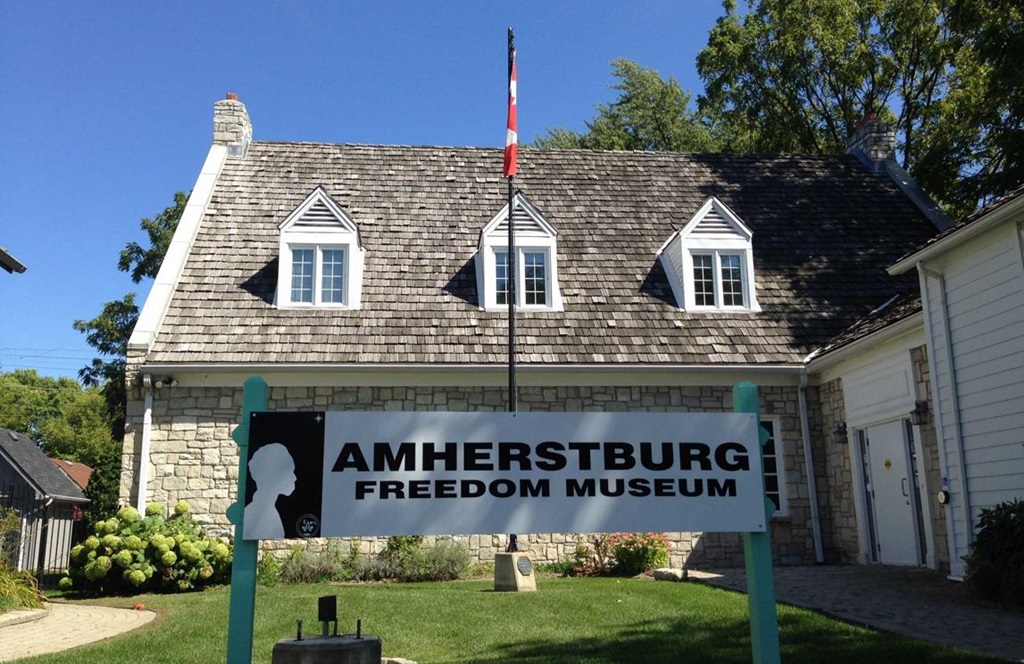
Amherstburg Freedom Museum

Why This Place Matters

History is often remembered through battles and political leaders.

The Amherstburg Freedom Museum reminds us that history is also shaped by ordinary people making extraordinary decisions.

Between the early 1800s and the American Civil War, thousands of men, women, and children risked everything to escape slavery. For many, the Detroit River became the final obstacle before reaching freedom in Canada.
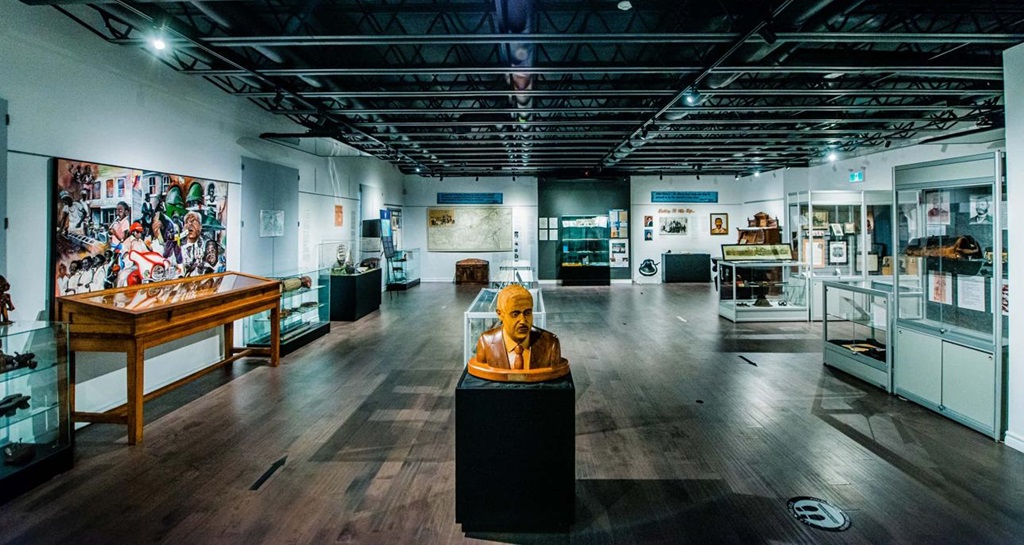
Inside the Museum

Amherstburg quickly developed into one of the country’s most significant Black settlements. Families established homes, churches, schools, businesses, and farms, contributing to the social, cultural, and economic development of Ontario.

The museum preserves these stories not only to remember the past but to inspire conversations about courage, equality, resilience, and human dignity.
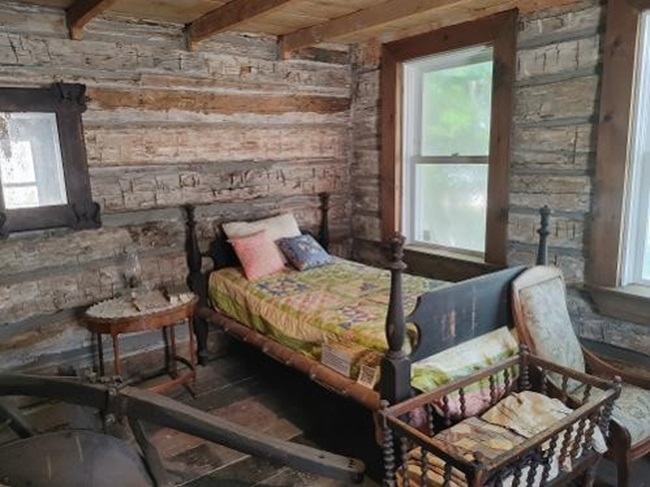
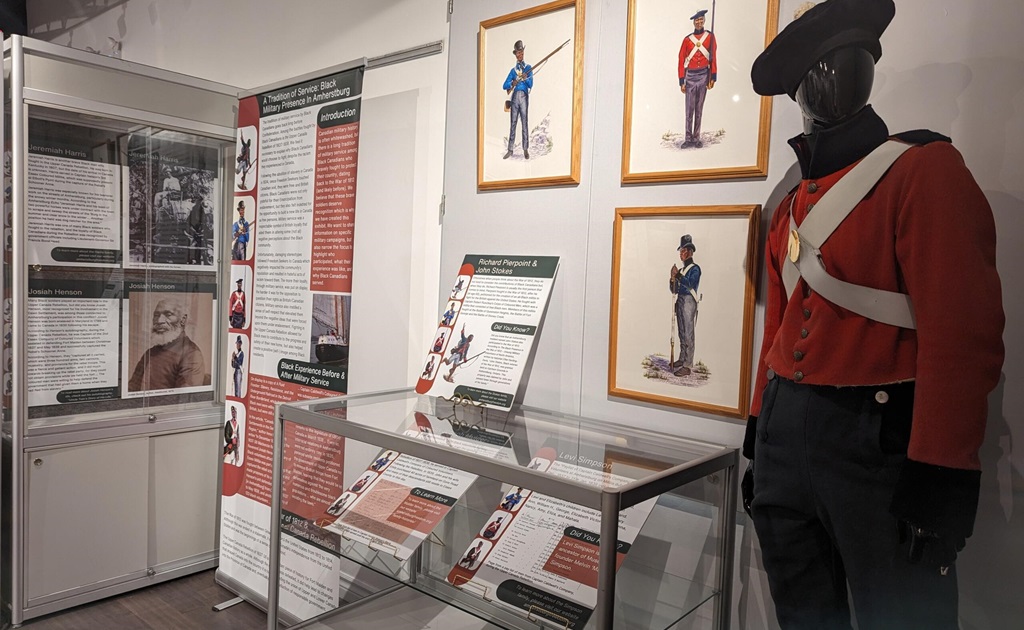
A room inside the museum

Fun Fact: The historic Nazrey AME Church, now part of the museum, was built in 1848 by members of Amherstburg’s Black community and continues to stand as one of Ontario’s oldest surviving Black places of worship.
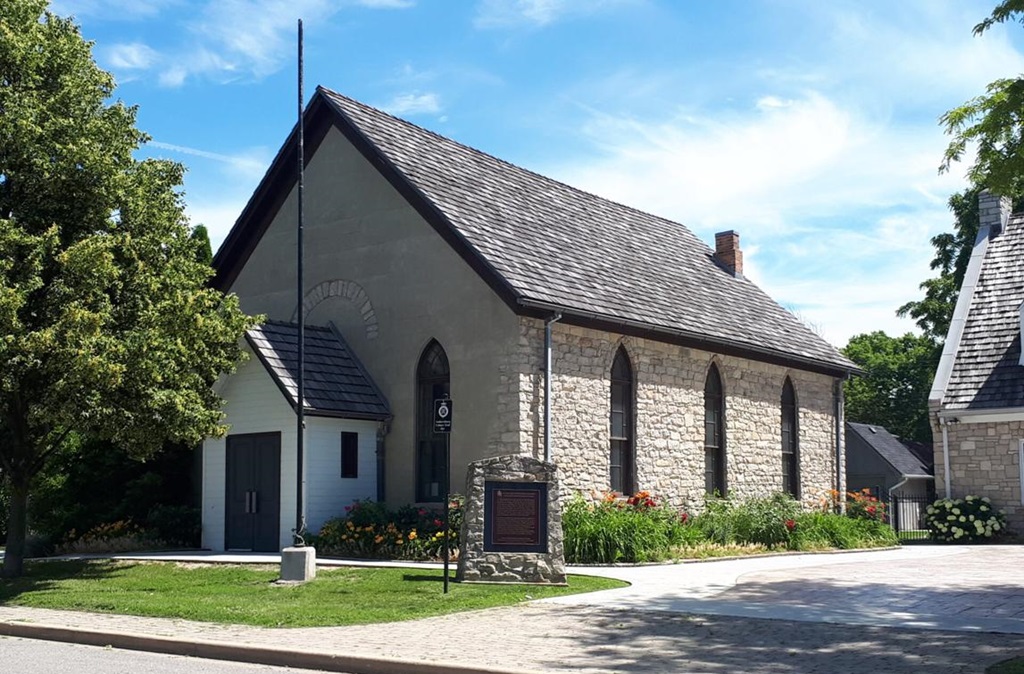
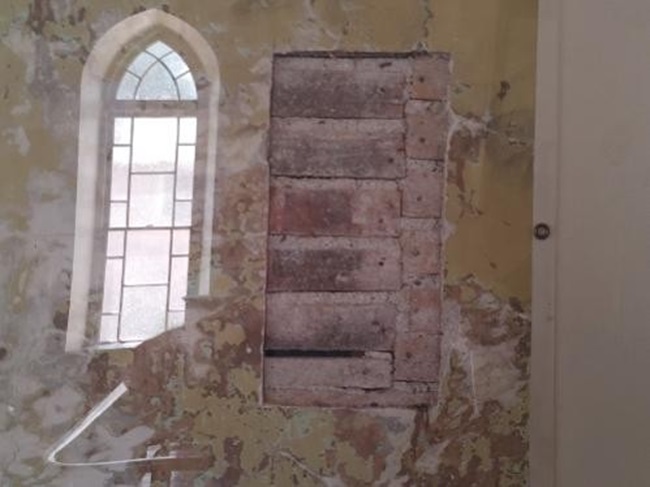
Nazrey AME Church

Journey Through Time

  • Late 1700s: Amherstburg is established as an important military and trading community along the Detroit River.
  • Early 1800s: Freedom seekers begin arriving in Upper Canada through the Underground Railroad.
  • 1848: The Nazrey African Methodist Episcopal Church is constructed, becoming both a spiritual home and community gathering place.
  • 1865: The American Civil War ends, bringing legal slavery in the United States to an end.
  • 1975: Community leaders establish the Amherstburg Freedom Museum to preserve the history of the Underground Railroad and Ontario’s Black heritage.
  • Today: The museum welcomes visitors from around the world, continuing to educate future generations about one of Canada’s most significant human rights stories.

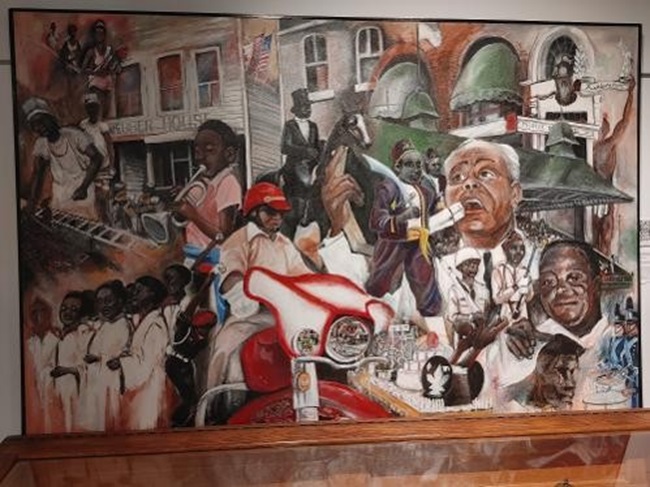
Amherstburg Freedom Museum - Painting

Behind the Story

The Detroit River looks remarkably peaceful.

Standing along its shoreline today, it is difficult to imagine the fear—and hope—that once accompanied every crossing.

For freedom seekers, the narrow stretch of water represented the difference between enslavement and liberty. Some arrived exhausted after weeks or months of travel. Others came with little more than the clothes they were wearing. Yet once they stepped onto Canadian soil, they began building new lives.

Museum Artifacts

The Amherstburg Freedom Museum tells these stories with honesty and compassion. Rather than focusing solely on hardship, it celebrates achievement. Visitors learn about educators, business owners, religious leaders, farmers, soldiers, and families whose contributions helped shape communities throughout Ontario.

The experience is deeply moving because it reminds us that freedom is never simply an idea—it is lived through the courage of individuals willing to pursue it against overwhelming odds.

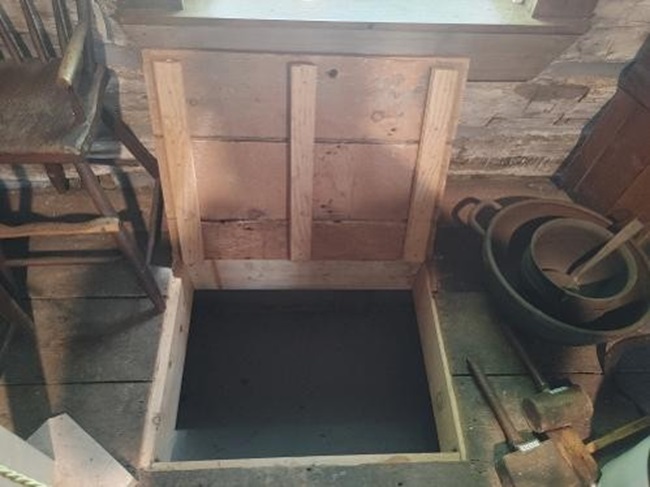
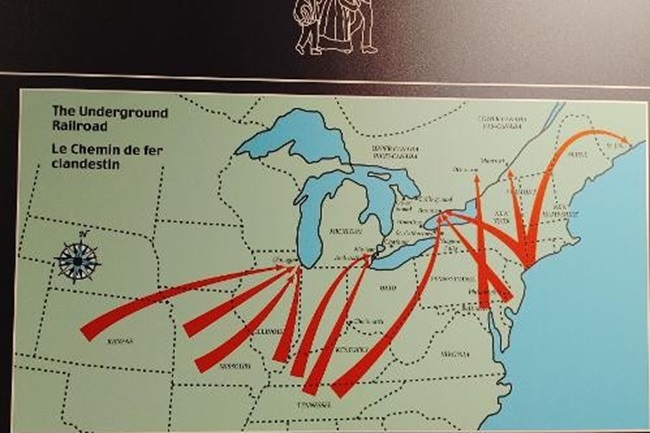
Escape Route?

Explore Other Hidden Gems

Distance Experience Why Visit
1 km Fort Malden National Historic Site Discover military history from the War of 1812 and early Canada
2 km Amherstburg Riverfront Scenic walking trails, gardens, and Detroit River views
5 km Holiday Beach Conservation Area One of Ontario’s premier bird migration viewing locations
28 km Ojibway Prairie Provincial Nature Reserve Rare tallgrass prairie and Carolinian ecosystem

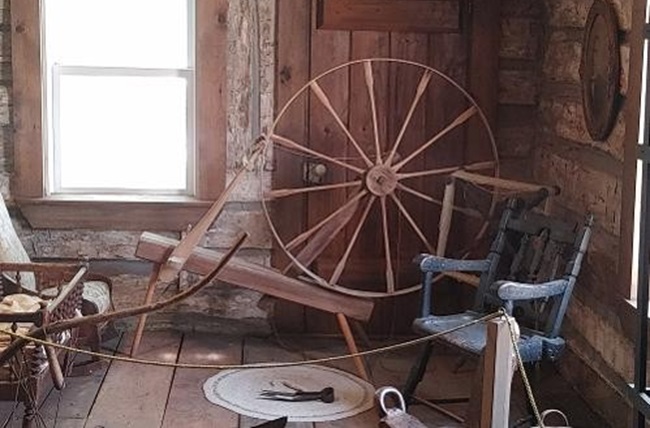
Amherstburg Freedom Museum Spinning Wheel

A Story That Continues

The Amherstburg Freedom Museum is more than a museum—it is a place of remembrance, learning, and hope.

Every visitor leaves with a deeper appreciation of the courage displayed by those who sought freedom and the welcoming communities that helped them begin again. Their stories remain an essential part of Ontario’s history and continue to inspire conversations about equality, justice, and the enduring value of human dignity.

In preserving these voices, the museum ensures that the journey to freedom will never be forgotten.

Underground Railroad Map


Amherstburg  Freedom Museum


by FES Tourism Senior Correspondent, Kevin Andrade

We recently took a swing through Windsor/Essex and decided to visit a little Canadian history. That included a visit to the wonderful little town of Amherstburg, along the Detroit River about 25 kilometres from Windsor. We made two stops, the second being the Amherstburg Freedom Museum.

First opened in 1975, the museum stands in an area that was a key point of entry for the “Underground Railroad” in the latter half of the 19th century.  The museum building itself is divided into sections depicting the various time periods from the transatlantic slave trade through freedom and building The Black Press, their own newspaper. The displays show accomplishments of these former slaves which also includes some commentary from descendants.  It’s a one-stop showcase of the rich heritage and contributions of African-Canadians.

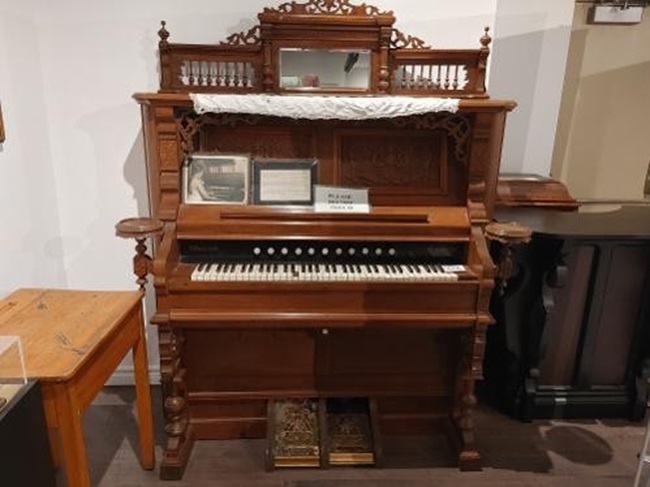
Museum Organ

Besides the museum building itself, on the grounds you will also find the Taylor Log Cabin and Nazrey African Methodist Episcopal Church.

The historic house was named for George Taylor, a formerly enslaved man from Kentucky. It was originally on the site of Fort Malden but later moved to its current location.

Nazrey African Methodist Episcopal Church was founded in 1848 by people fleeing enslavement and was named for bishop Willis Nazrey. The church was a crucial terminal station on the Underground Railroad.

It fell into disrepair and in 1988 was slated for demolition but was restored, largely due to local engineer Norbert Becker with support from community donations and grants. The church reopened as a heritage site in 2000, preserving the area’s history for generations to come. That and the cabin are two marvelous ways to have a first-hand view into an important time in Canadian history.

Amherstburg Freedom Museum


Disclaimer

Details are verified at posting, but exhibits, hours, admission, and programming may change. Confirm current information before travelling. Ontario Visited and Festival and Event Services Inc. are not liable for last-minute changes. Spot an error? Tell us and we’ll fix it fast.

X
Welcome to Ontario Visited!