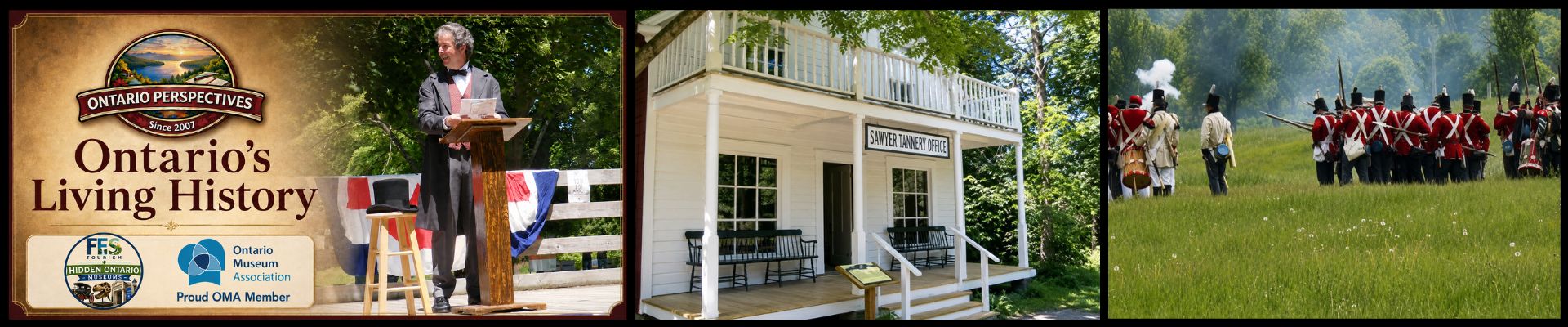















Ontario’s Living History
“Where the Past Still Breathes”
Across Ontario, history doesn’t whisper from behind velvet ropes, it sings from the blacksmith’s forge, smells of fresh-baked bread, and echoes in the rhythmic clip-clop of a horse-drawn wagon. In a world rushing ever faster, our province’s living history museums remind us to pause, listen, and learn from the stories that built this land.
These are more than museums. They are working villages, recreated forts, and heritage farms where visitors can see, touch, and feel the past. They are the keepers of Ontario’s spirit.
Executive Summary
Ontario’s living history museums transform the province’s past into immersive visitor experiences. Through costumed interpreters, historic buildings, working farms, traditional crafts, military re-enactments and seasonal celebrations, these sites allow visitors to experience history rather than simply observe it.
From major destinations such as Upper Canada Village, Fort William Historical Park and The Village at Black Creek to smaller community museums and pioneer villages, these institutions preserve Ontario’s diverse cultural heritage, support education and strengthen local tourism. They also connect generations, sustain traditional skills and help visitors understand the contributions of settlers, Indigenous peoples, volunteers and communities to Ontario’s development.
Together, Ontario’s living history museums offer memorable destinations for families, history enthusiasts and road-trippers—places where the province’s stories, traditions and craftsmanship remain very much alive.
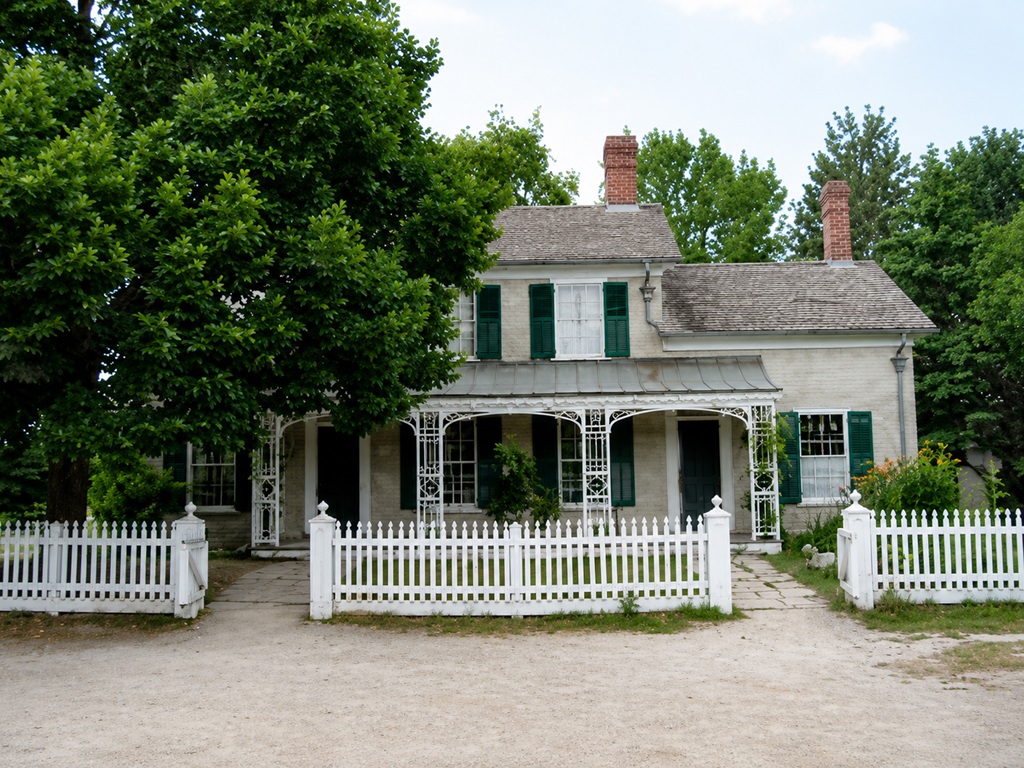
The Village at Black Creek – Toronto
🌾 What Is “Living History”?
A living history museum is part stage, part classroom, and part time machine. Instead of simply displaying objects, these sites animate history through the people who once used them. Wooden floors creak beneath hand-hewn beams. A loom shuttles back and forth. A child churns butter and tastes the past.
Most of Ontario’s pioneer villages began in the mid-20th century, when volunteers and historians realized that rural heritage was vanishing fast. Modern highways were replacing dirt roads; old barns were falling to time. Communities began collecting log houses, schoolhouses, and barns, moving them to protected parklands so that future generations could see how settlers really lived.
From those grassroots efforts grew a remarkable movement, one that now spans the entire province, from Fort William Historical Park in Thunder Bay to Upper Canada Village on the St. Lawrence.
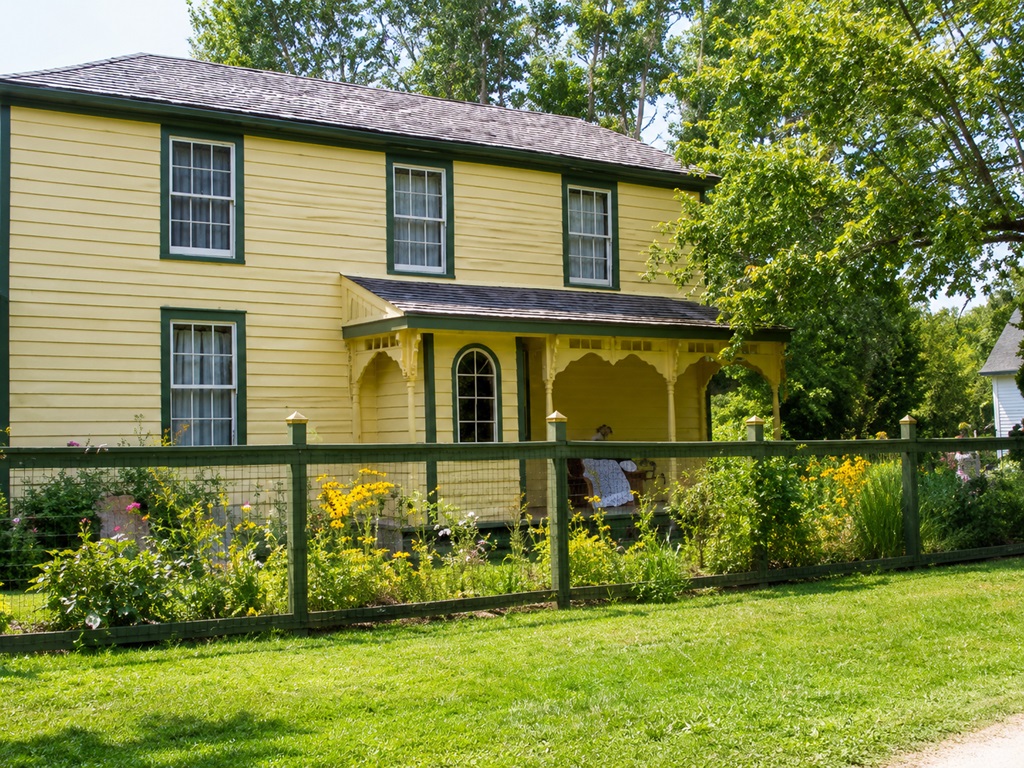
Fanshawe Pioneer Village – London
🎩 The Role of the Interpreter
What brings these museums to life is not the wood or the brick, it’s the people.
Costumed interpreters are the storytellers of Ontario’s past. Dressed in the clothing of their era, they speak, cook, farm, and craft as those before them did. A blacksmith explains the art of forging, sparks flying. A schoolmistress rings the bell for class. A farm wife kneads dough in a wood-fired oven, sharing how scarce sugar once was.
Their role goes beyond entertainment. Interpreters are trained historians and educators. They weave together facts and feeling, bridging the gap between what visitors see and what they feel. For children especially, these encounters transform history from something read in a textbook into something real, human, and memorable.
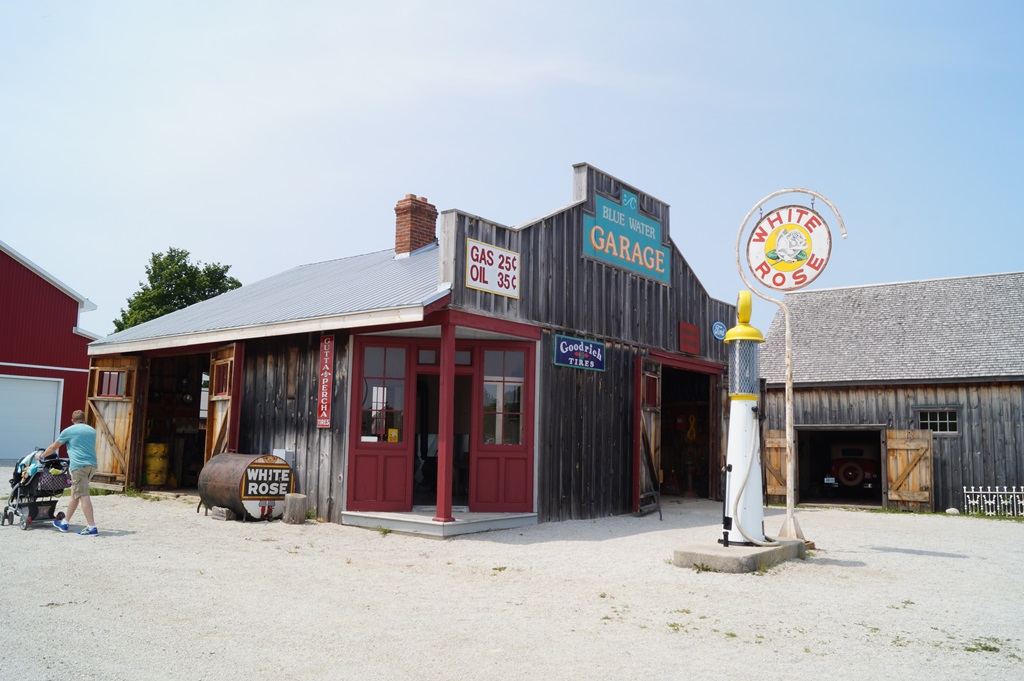
Moreston Heritage Village – Owen Sound
⚔️ Re-enactments: Bringing Drama to History
If interpreters are the daily heartbeat of living history, re-enactors are its thunder.
Across Ontario, the boom of cannon fire and the crack of musket volleys echo through summer air as volunteers relive pivotal moments, most famously, the War of 1812 at Fort George, Old Fort Erie, and Fort Wellington.
These re-enactments are carefully researched, often staged by dedicated historical societies. They are not about glorifying war, but about remembering courage, fear, and sacrifice. Standing near a firing line at Fort Erie or watching red-coats march across the ramparts of Fort Henry is as close as one can come to stepping into the pages of Canadian history.
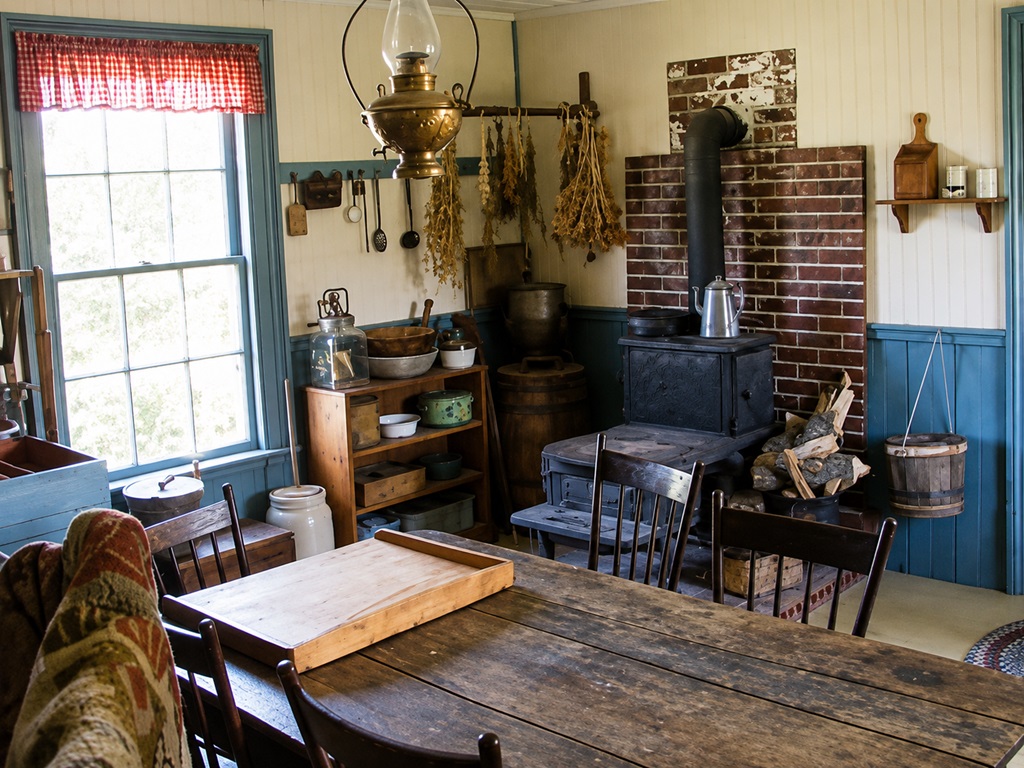
Georgina Pioneer Village & Archives – Keswick
Even outside military events, re-enactments play a vital role. Harvest festivals, pioneer fairs, heritage days, and seasonal demonstrations recreate the rhythm of everyday 19th-century life, the threshing of wheat, the tapping of maple trees, the spinning of wool. Each small act becomes a tribute to resilience.
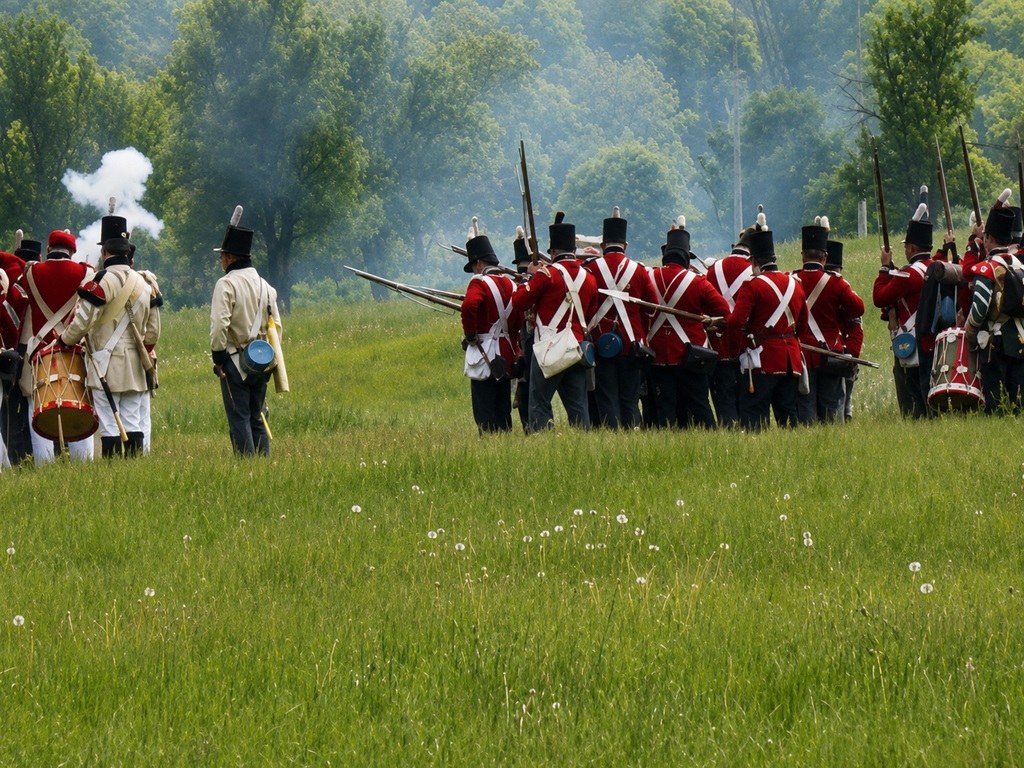
Battle of Stoney Creek – Hamilton
🧵 Why Living History Matters
Ontario’s living history museums do more than entertain, they preserve identity, build empathy, and connect generations.
In a single visit, a child can learn how settlers grew their own food, how Indigenous peoples traded and built alliances, how communities worked together to survive. Elder visitors often smile in recognition, remembering a grandparent’s butter churn or the smell of a coal stove.
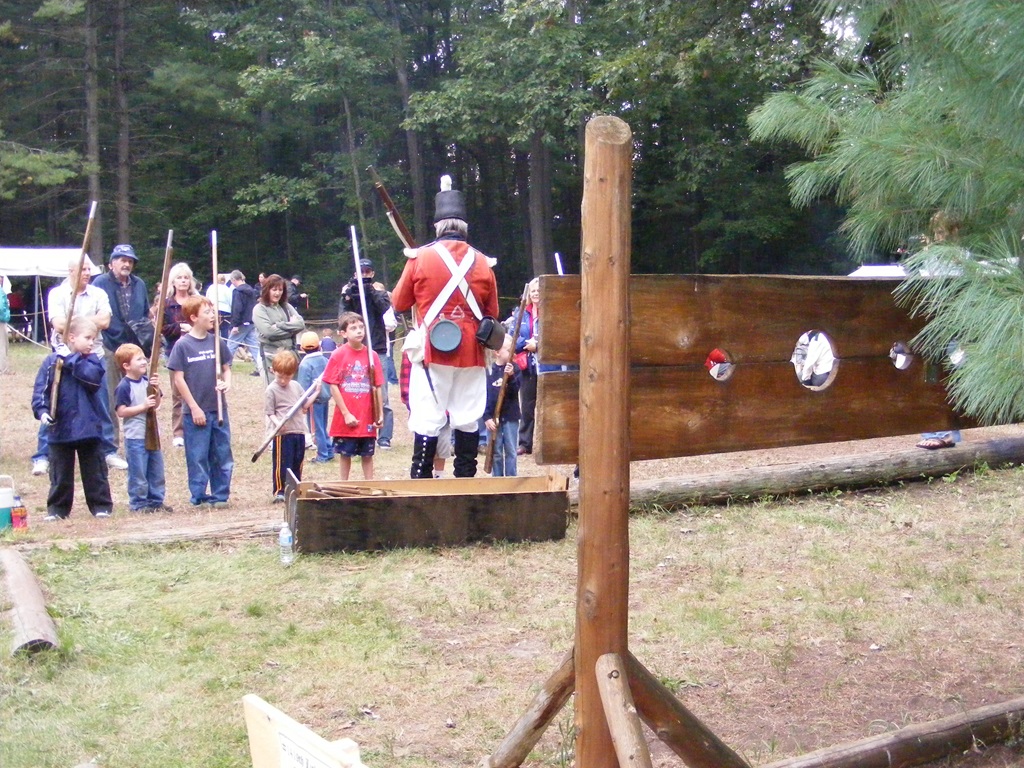
Fort Willow Conservation Area – Simcoe County
These museums remind us that progress is built on people’s hands and hopes. They teach patience, craftsmanship, and gratitude.
They also fuel local tourism and pride. Many are run by small municipalities or volunteer boards, creating jobs, educational programs, and festivals that draw thousands of visitors each year. For rural communities, these sites are anchors, living classrooms that sustain both memory and economy.
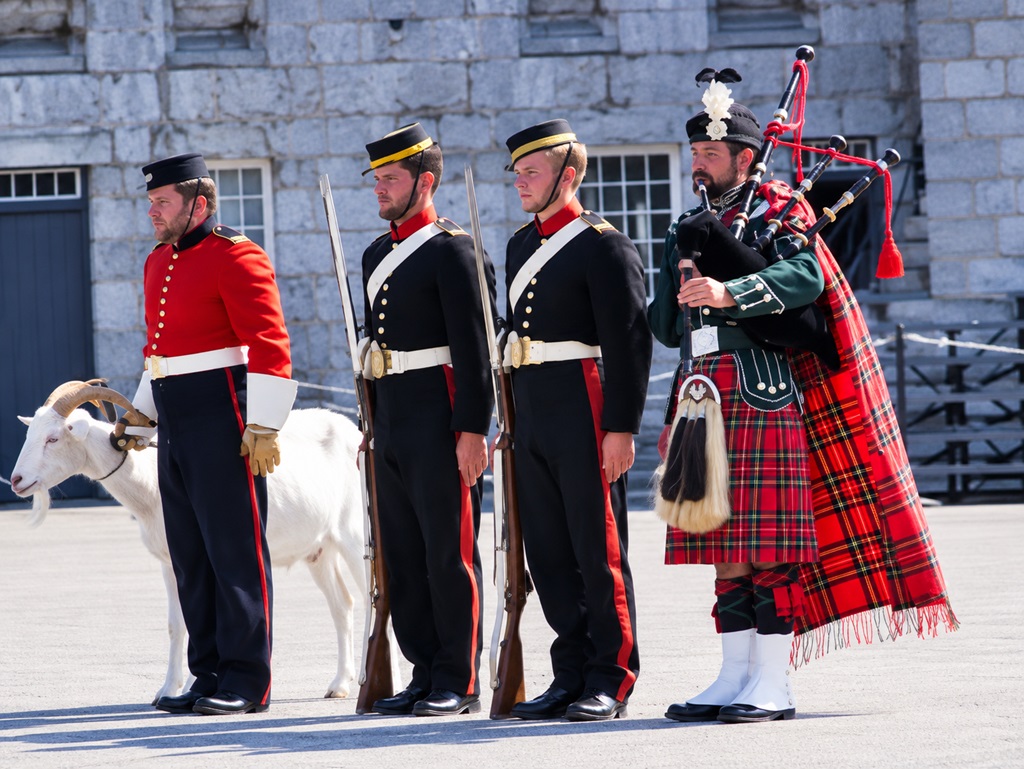
Fort Henry National Historic Site – Kingston
🪔 How It All Began
Ontario’s living-history movement traces its roots to the 1940s and ’50s, when preservationists feared that modernization would erase the pioneer era. Early projects like Black Creek Pioneer Village in Toronto and Upper Canada Village near Morrisburg were among the first large-scale experiments in open-air interpretation.
Over time, the model spread. Small towns rallied volunteers to collect old buildings before they were torn down. They dismantled barns beam by beam and moved them to donated land. Former schoolhouses became learning centers; log cabins became galleries.
By the 1970s, dozens of villages dotted the province, each capturing its local character, Scottish in Glengarry, German Mennonite in Waterloo, French Jesuit in Midland, Irish in the Ottawa Valley, and so on.
This diversity is what makes Ontario’s living history so special: every region tells a different story, yet together they form a tapestry of a province built on many cultures.
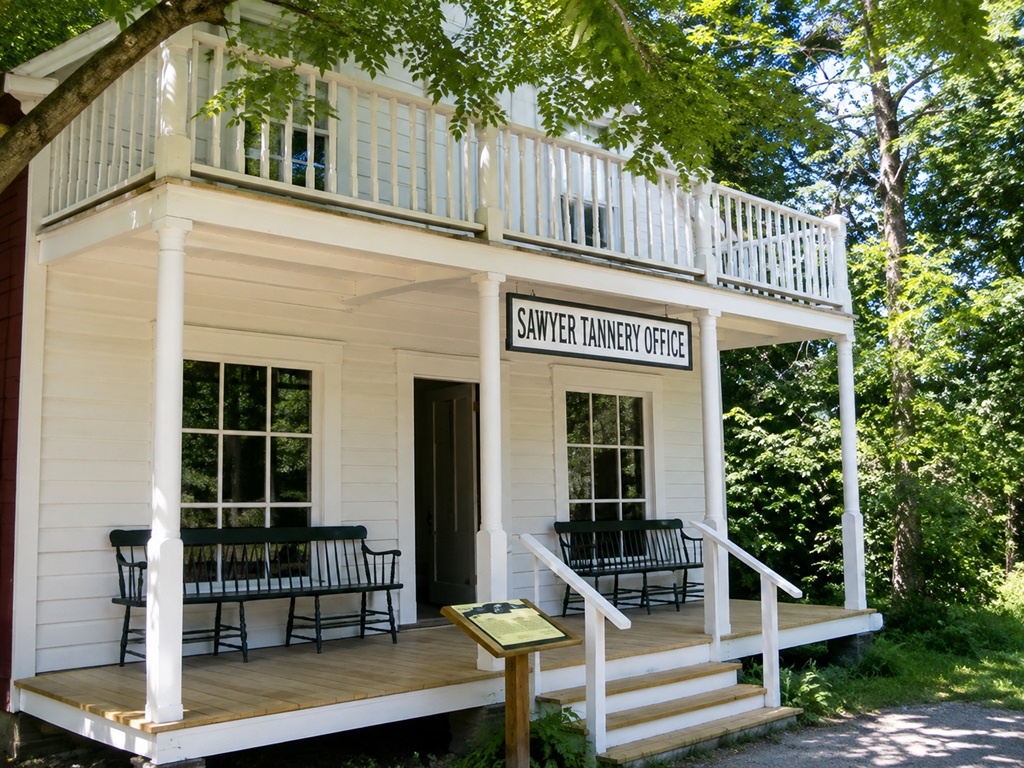
Upper Canada Village – Morrisburg
🏡 Eastern Ontario: Foundations of Settlement
Upper Canada Village in Morrisburg remains the grand matriarch of Ontario’s living museums. Spread across 60 acres beside the St. Lawrence River, it recreates a complete 1860s village, mill pond, woolen factory, bakery, and all. When the St. Lawrence Seaway flooded several historic communities in the 1950s, their buildings and spirit found new life here.
Further west, Fort Henry in Kingston beats to the drum of military pageantry. Its uniformed guards, precision drills, and twilight ceremonies make it one of the province’s most spectacular heritage performances.
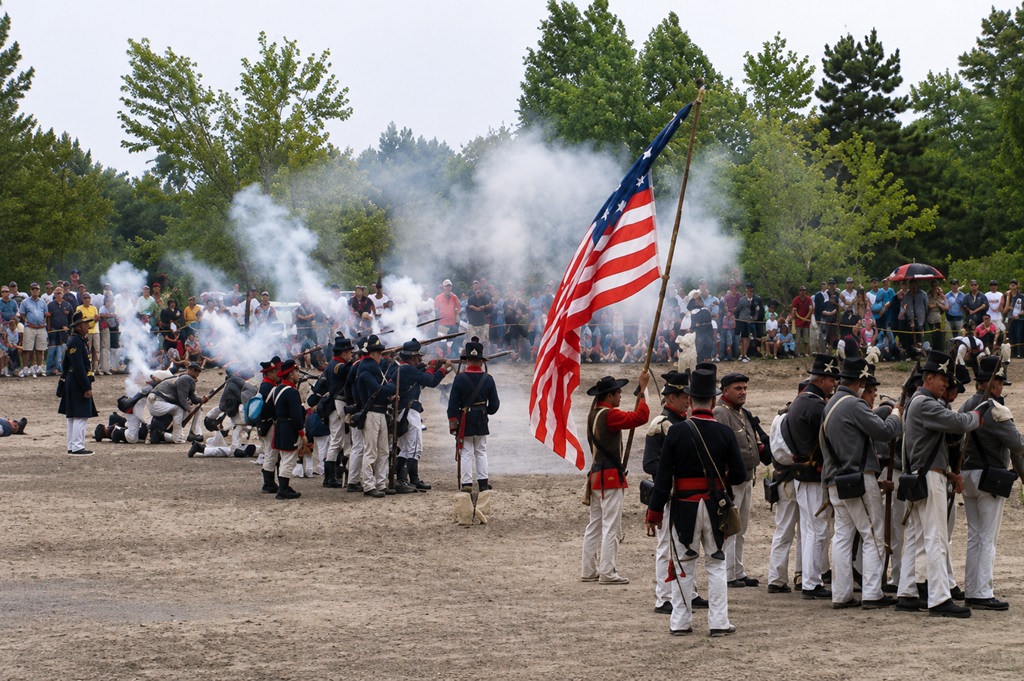
Wasaga Under Siege – Nancy Island, Wasaga Beach
The twin sites of Sainte-Marie among the Hurons and Discovery Harbour in Midland and Penetanguishene bring early French and British naval history vividly to life, showing the earliest European footprints in Ontario.
For smaller-scale charm, Glengarry Pioneer Museum in Dunvegan and Champlain Trail Museum in Pembroke showcase the log homes and rugged persistence of Scottish and Ottawa Valley settlers.
Each site tells not only how Ontario began, but who built it
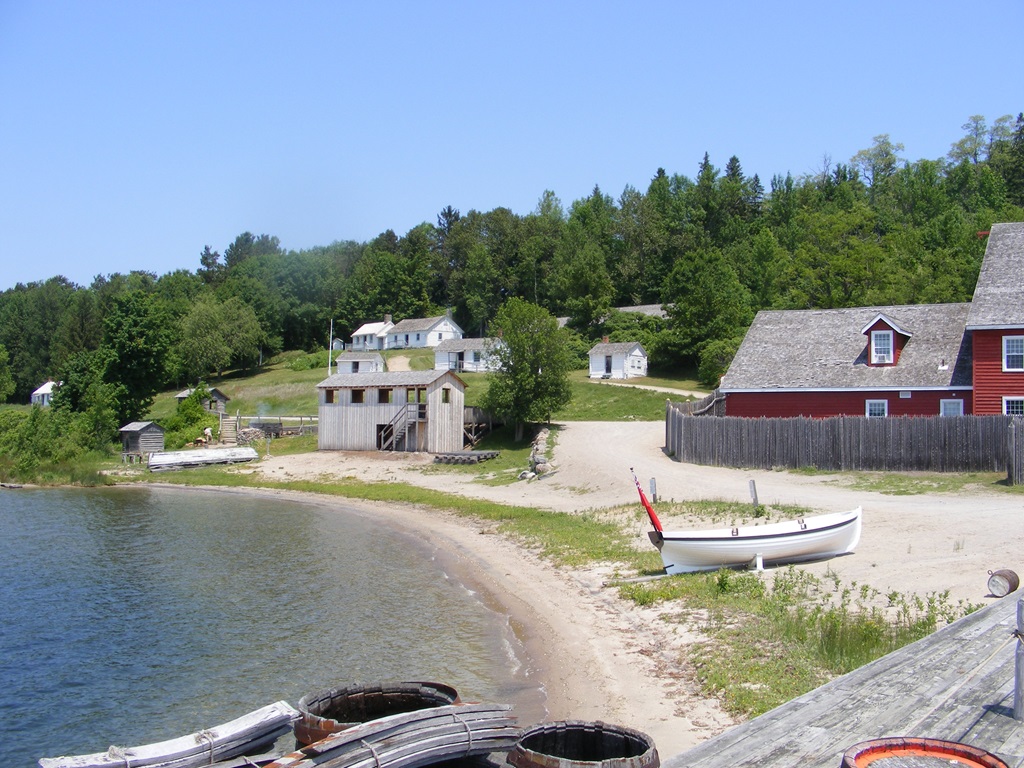
Discovery Harbour – Penetanguishene
🪓 Greater Toronto Area: Urban Roots in a Rural Past
Even in Canada’s largest city, pioneer life is alive and well.
The Village at Black Creek (Toronto) is a complete 19th-century town of 40+ heritage buildings, from apothecary to print shop. Children learn to card wool and press cider; parents rediscover simplicity.
Nearby, Fort York, Toronto’s birthplace, stands proudly amid skyscrapers, its cannons still facing the harbour. Scarborough Museum, Gibson House, Montgomery’s Inn, and Spadina Museum offer snapshots of Victorian and Edwardian domestic life, with costumed hosts telling stories of early Toronto families.
Beyond the city limits, smaller gems like Pickering Museum Village, Scugog Shores Museum Village, and Uxbridge Historical Centre highlight the agricultural heart of York-Durham-Headwaters. Each runs seasonal fairs, heritage demonstrations, and children’s camps, proving that hands-on history is alive in every township.
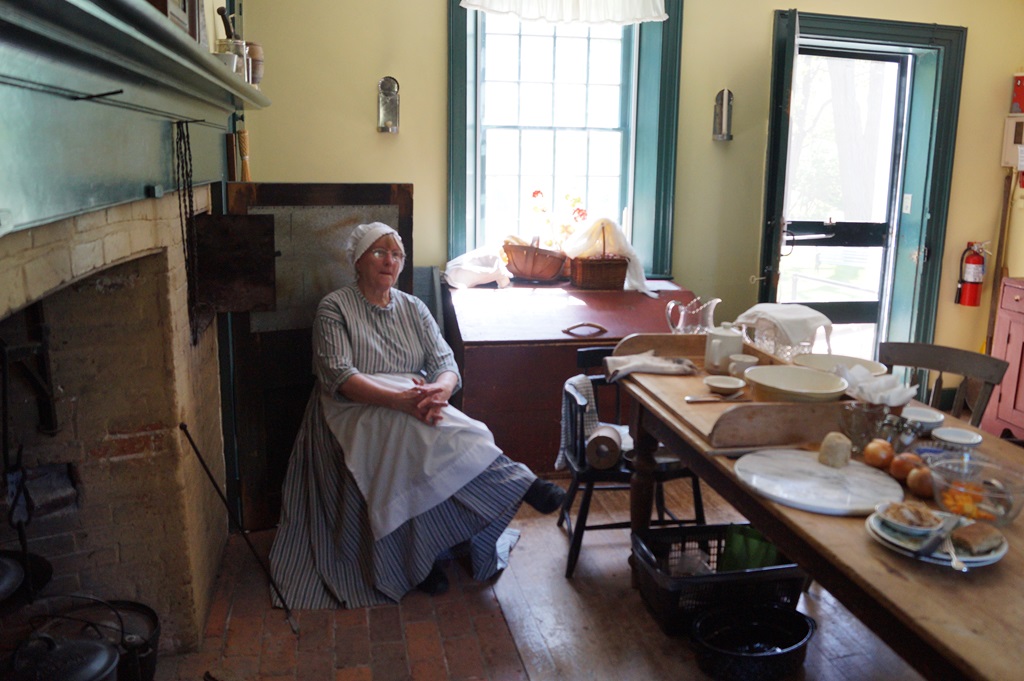
Macaulay Heritage Park – Picton
🌲 Central Ontario: Rural Roots and River Mills
Lang Pioneer Village Museum in Keene, near Peterborough, is a masterpiece of riverside storytelling. Its 30 buildings, operating grist mill, and heritage garden programs draw families year-round.
Nearby, Kawartha Settlers’ Village in Bobcaygeon captures the cottage-country past of a region known for canals and lumber.
Simcoe County Museum, Coldwater Canadiana Heritage Museum, Grey Roots & Moreston Village, and Muskoka Heritage Place each blend outdoor exhibits with community celebration. Muskoka even features a working heritage railway that delights visitors of all ages.
Together, these sites tell of northern expansion, of lumber barons, log drives, and the birth of Ontario’s vacation country.
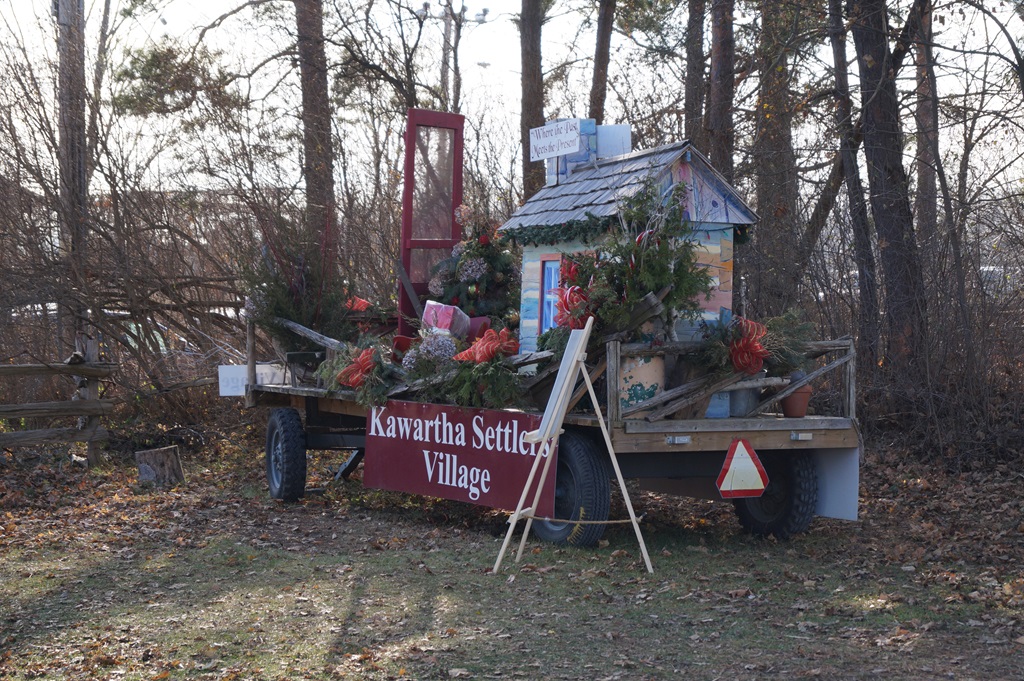
Kawartha Settlers’ Village – Bobcaygeon
🚜 Southwestern Ontario: From Forts to Farmsteads
Southwestern Ontario may be the richest region for living history variety.
Fanshawe Pioneer Village in London offers more than 30 buildings tracing 100 years of local development. Westfield Heritage Village in Rockton charms with its forested setting and award-winning reenactments.
Doon Heritage Village, part of the Waterloo Region Museum, interprets 1914 life amid the Mennonite farms of the Grand River Valley, complete with a functioning electric streetcar.
For military heritage, Fort George, Old Fort Erie, and Battlefield House stage large-scale War of 1812 reenactments each summer, their thunderous pageantry attracting thousands.
The stately Dundurn Castle in Hamilton shows another side of history, Victorian elegance brought to life through costumed servants and kitchen demos.
And near Windsor, the Canadian Transportation Museum & Heritage Village preserves early vehicles alongside a pioneer hamlet, while Lambton Heritage Museum at Grand Bend explores early life along Lake Huron’s sandy shores.
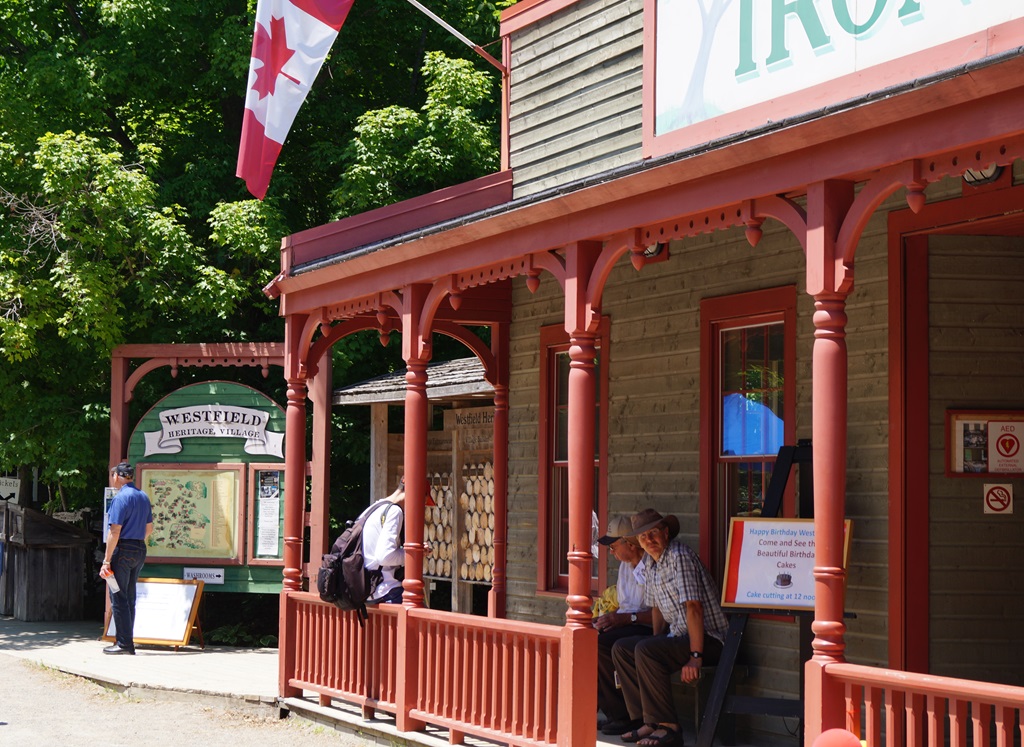
Westfield Heritage Village – Rockton
🌅 Northern Ontario: Where Frontier Life Endures
Few places capture the raw frontier spirit like Fort William Historical Park in Thunder Bay. Reconstructed on its original site, this massive 1800s fur-trade post includes over 40 buildings bustling with voyageurs, Ojibwa interpreters, and craftsmen. You can smell the wood smoke, hear the hammer on iron, and taste bannock cooked on an open fire.
Nearby, the Oliver Paipoonge Heritage Park merges several small museums into one growing heritage campus, showcasing northern pioneer grit.
In Sault Ste. Marie, the Ermatinger-Clergue National Historic Site explores the city’s fur-trade and industrial past, while Fort St. Joseph National Historic Site on St. Joseph Island preserves haunting stone ruins and wildlife-rich trails where British soldiers once stood guard.
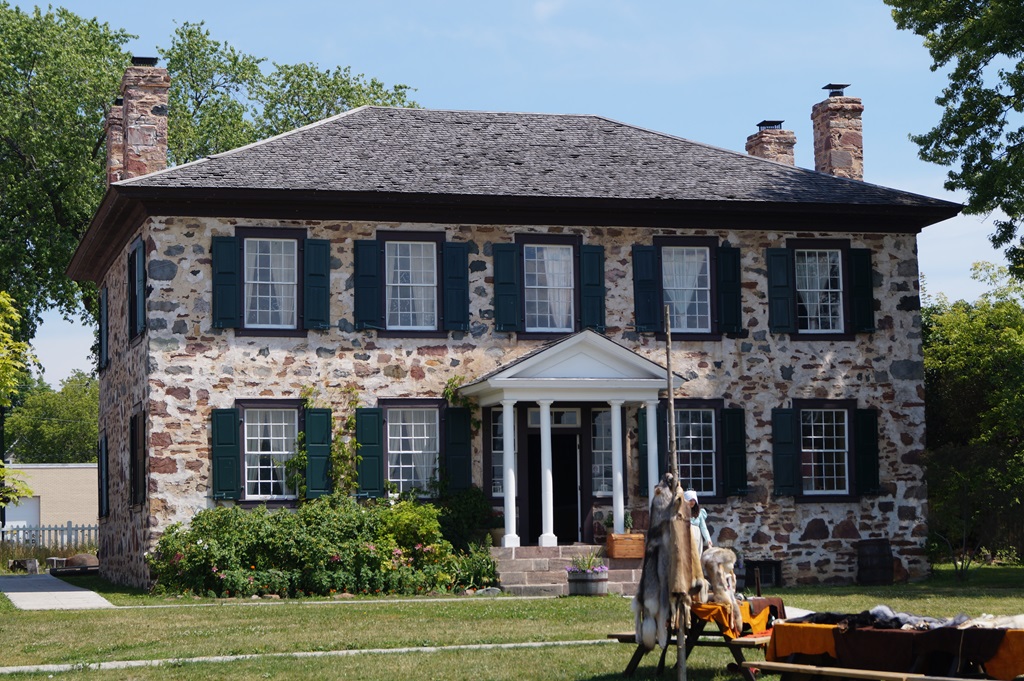
Ermatinger Clergue National Historic Site – Sault Ste. Marie
🔥 Festivals, Demonstrations & Special Events
Many of Ontario’s living history museums come alive during themed weekends:
- Maple syrup festivals in March and April.
- Heritage craft days featuring blacksmithing, weaving, candle-making.
- Harvest weekends with threshing bees, wagon rides, and cider pressing.
- Christmas in the Village events lit by lanterns and laughter.
These festivals connect visitors to the cycles of nature and work that once defined rural life. They’re also wonderful opportunities for local artisans, farmers, and re-enactors to showcase traditional skills, helping sustain those trades into the modern era.
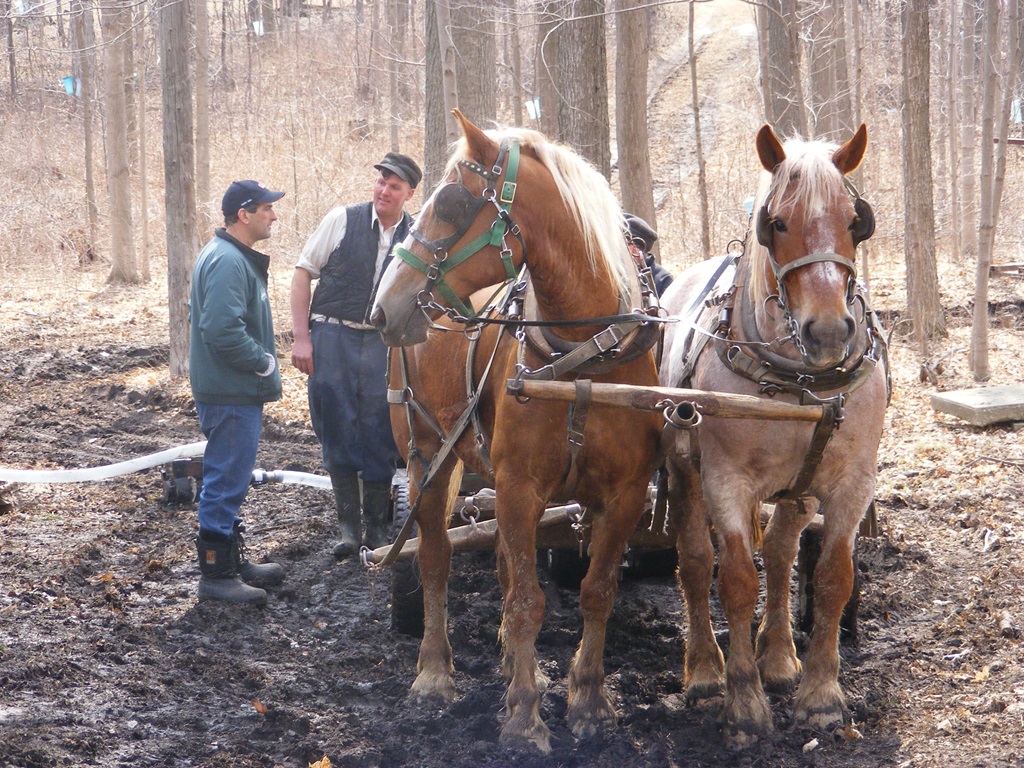
Elmira Maple Syrup Festival – Elmire
🪶 Acknowledging the First Peoples
Ontario’s living history is not only European, it also includes the deep, enduring presence of First Nations, Métis, and Inuit peoples.
Sites like Sainte-Marie among the Hurons, Huronia Museum’s Huron/Wendat Village, Lang Pioneer Village Museum and Fort William Historical Park work in partnership with Indigenous communities to interpret contact-era relationships truthfully and respectfully. Visitors learn not only about early trade but about the cultural exchanges, and tensions, that shaped Canada’s beginnings.
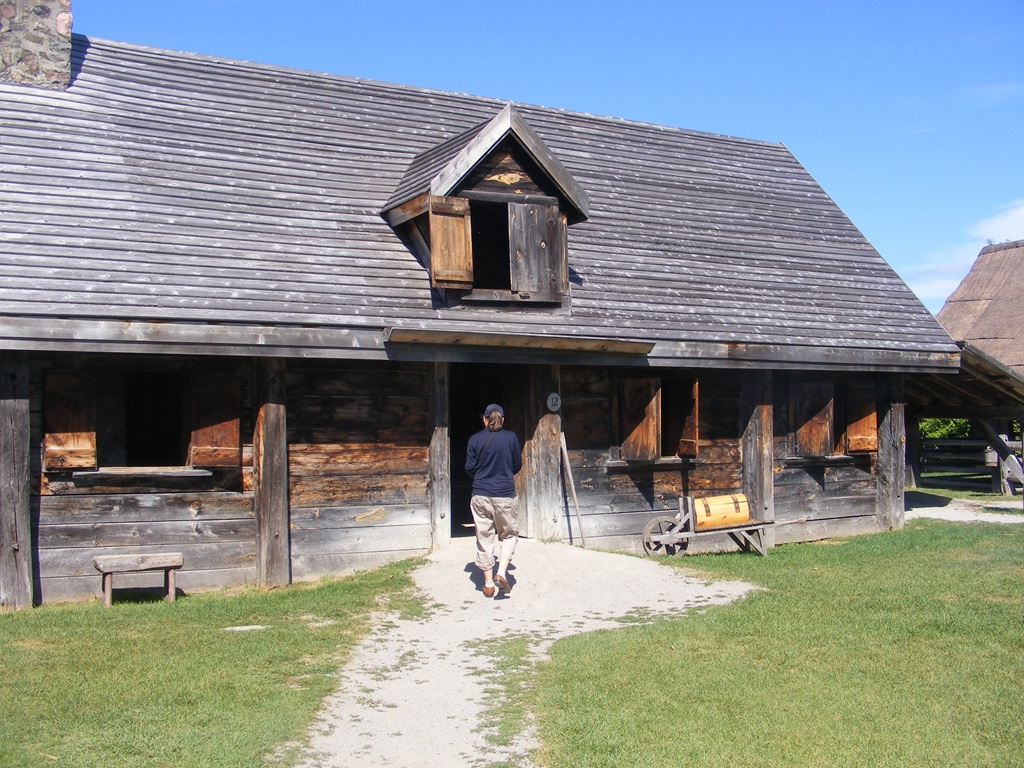
Sainte-Marie among the Hurons – Midland
🧭 Planning Your Own “Living History Trail”
Exploring Ontario’s living museums can easily fill an entire summer road trip. You could trace a thematic trail:
- “Forts and Frontiers” – Fort Wellington → Fort Henry → Fort George → Fort Erie → Fort William.
- “Pioneer Pathways” – Black Creek Village → Lang Village → Westfield Village → Fanshawe Village.
- “Waterways of History” – Sainte-Marie → Discovery Harbour → Muskoka Heritage Place.
Each stop offers fresh insights, and often, perfect picnic spots.
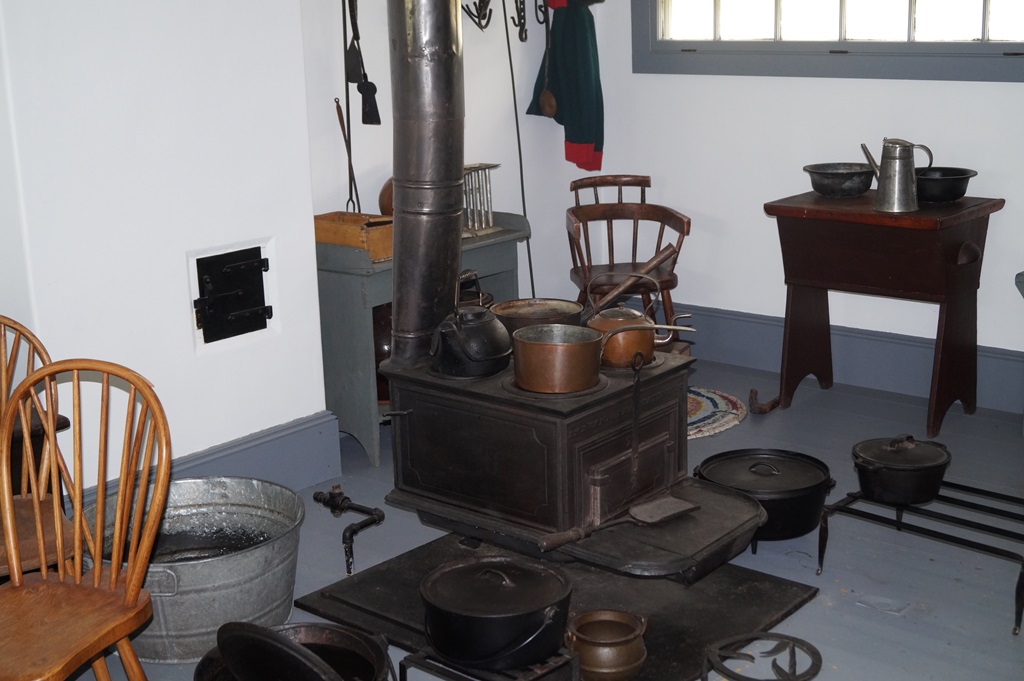
Fort Wellington National Historic Site – Prescott
📸 Photo Spots & Visitor Tips
- Bring your camera early in the day; morning light on clapboard buildings is magical.
- Ask interpreters questions, they love sharing hidden details.
- Many sites are accessible with packed-gravel paths and rest areas; some offer shuttle wagons or wheelchair-friendly routes.
- Check event calendars: reenactments, fairs, and seasonal markets often add extra excitement.
- Don’t miss the gift shops, many sell locally made crafts, preserves, and reproductions of 19th-century toys.
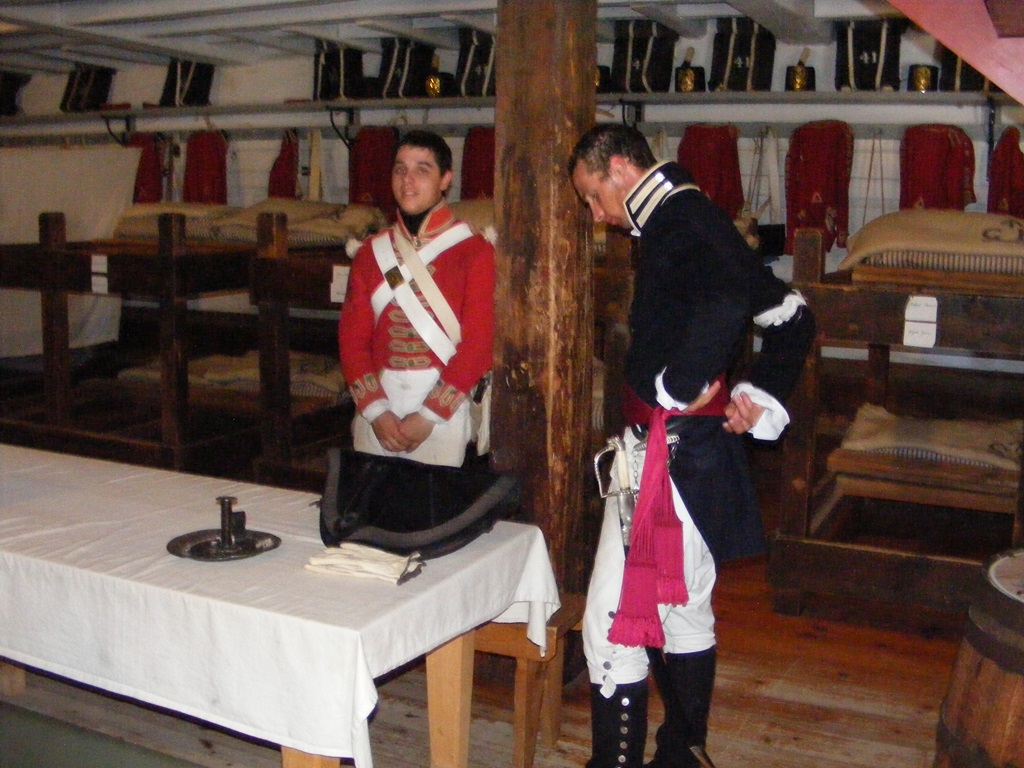
Fort George National Historic Site – Niagara-on-the-Lake
🕰️ The Enduring Value of Living History
In an age of screens and scrolling, there’s something profoundly grounding about walking through a working blacksmith shop or hearing a loom clatter in rhythm. These experiences remind us that progress rests on calloused hands, community cooperation, and the wisdom of those who came before.
Ontario’s living history museums are time machines built on love, love of heritage, of craft, of storytelling. They survive because volunteers, educators, and municipalities refuse to let the past fade away.
So, the next time you’re planning a weekend escape, follow the smoke of a forge or the tune of a fife band. Somewhere down a country road, Ontario’s past is still breathing, and it’s waiting to shake your hand.
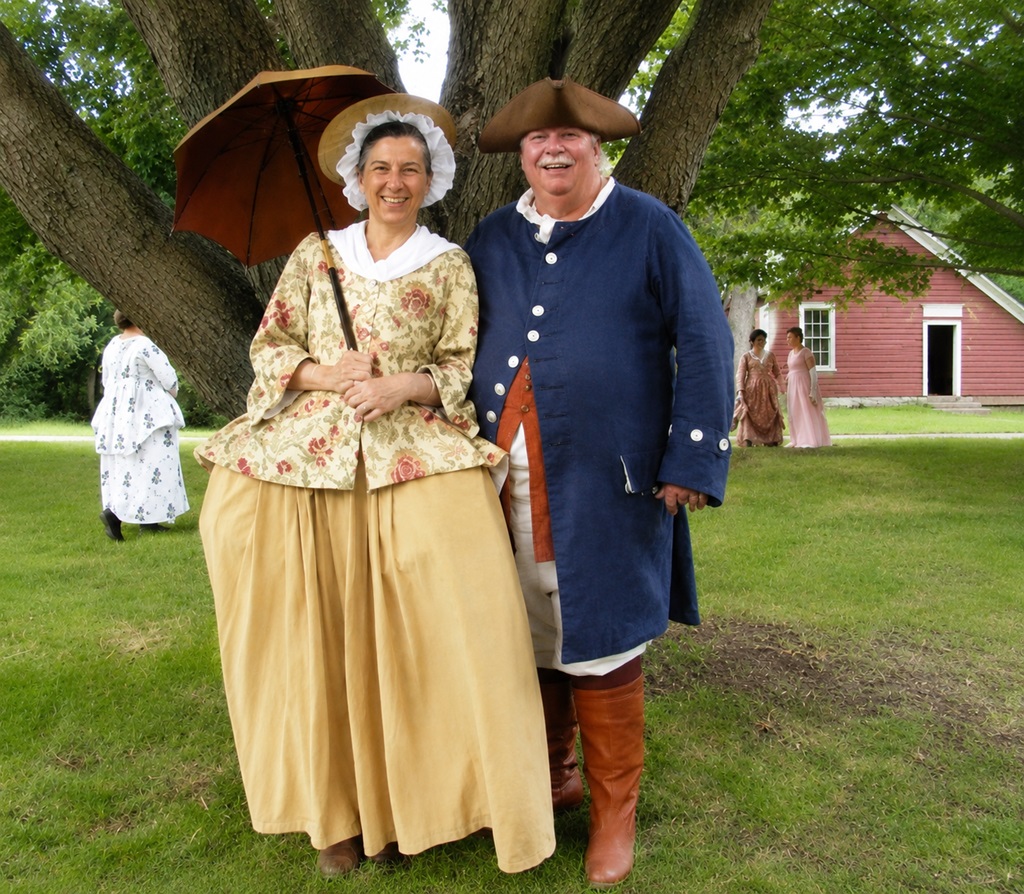
Lang Pioneer Village Museum – Keene