




















Smiths Falls Heritage House Museum: Step Beyond the Velvet Ropes

Smiths Falls • Lanark County • Eastern Ontario

Some museums ask you to admire history from behind a velvet rope. At the Smiths Falls Heritage House Museum, you’re invited to step closer.

Set beside the historic Rideau Canal at Old Slys Lock Station, this distinctive 19th-century home tells the story of Smiths Falls through the people who lived, worked, raised families, and built a community here. Period rooms, locally connected artifacts, changing exhibitions, art, genealogy, special tours, and seasonal events ensure that this isn’t a museum visitors experience only once.

And then there’s that famous two-storey indoor privy.

Yes—you read that correctly.


Smiths Falls Heritage House Museum


Visitor Experience

📍 Location 11 Old Slys Road, Smiths Falls, Ontario K7A 3M3
📅 Best Time to Visit May–December • Special programs and events throughout the year
⏰ May–Sept Hours Wednesday–Sunday • 10:30 a.m.–4:30 p.m.
⏰ Oct–Dec Hours Wednesday–Friday • 10:30 a.m.–4:30 p.m. • Weekends 1:00–4:00 p.m.
❄️ Jan–April Changing hours • By appointment
💲 Admission By donation
♿ Accessibility Partially accessible • Contact museum regarding individual requirements
🅿️ Parking On-site parking • Accessible parking in front May–October
🕒 Recommended Time 45 minutes–1 hour • Longer for special tours and programs
🌐 Contact smithsfalls.ca/heritagehouse • [email protected] • 613-283-6311

What You Need to Know

The Smiths Falls Heritage House Museum is both a historic house and community museum, which makes each visit a little different.

Open-concept period rooms contain artifacts made in the community or brought to Smiths Falls by local families. Displays change seasonally, and different historical families and chapters of Smiths Falls history may be featured from year to year. Changing local art exhibitions add another dimension to the experience.

The museum is also the only cultural heritage site in Smiths Falls open to the public year-round, providing visitors with an excellent starting point for discovering the community and its connection to the Rideau Canal.

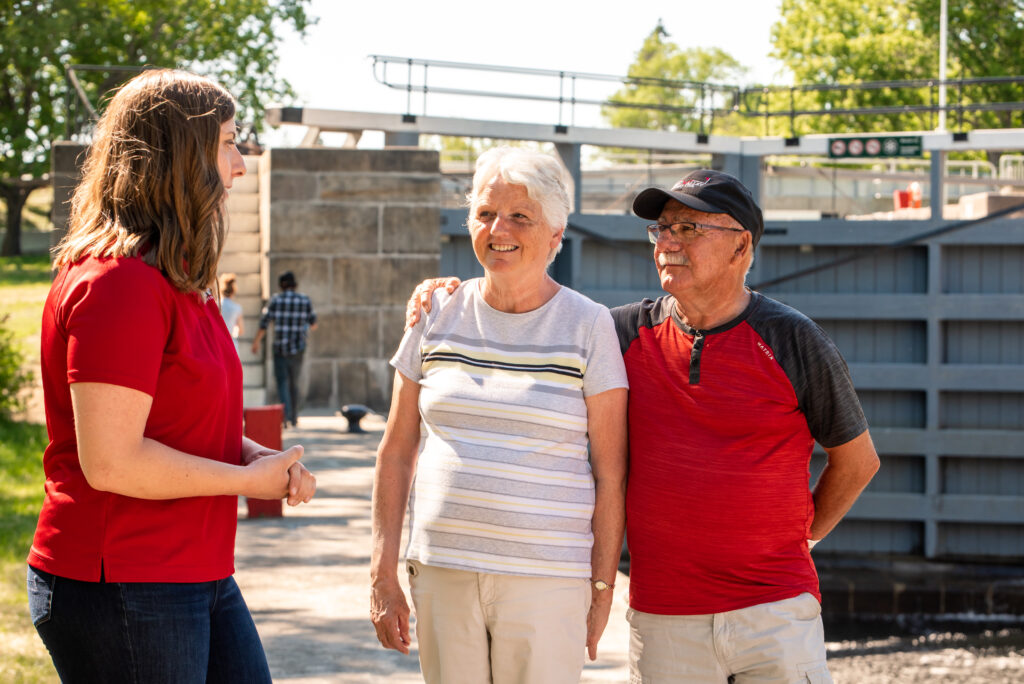
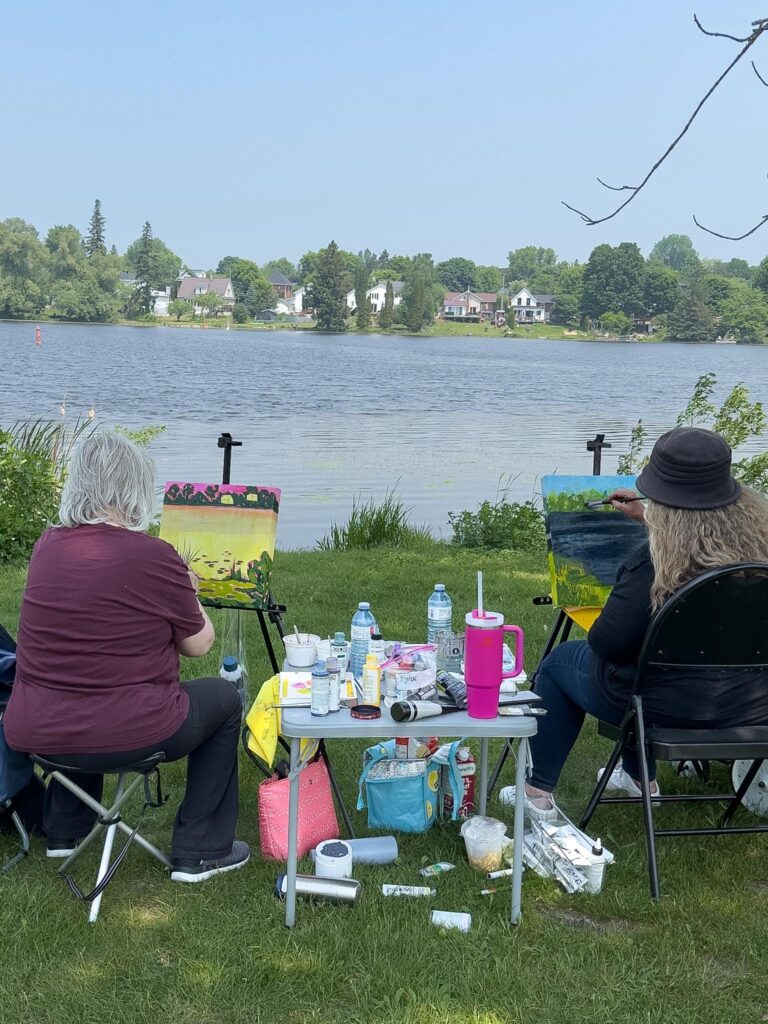
Outside, the picturesque grounds offer space for exploring or enjoying a picnic before continuing next door to Old Slys Lock Station.

Why This Place Matters

Historic houses can tell us when something happened.

The best historic houses help us imagine how people lived when it happened.

Heritage House does exactly that.

Its period rooms aren’t simply filled with antiques selected because they look old. Many objects were made locally or brought to Smiths Falls by the families whose lives helped shape the community.

That makes the house a keeper of local memory.

The building itself is part of the story. Designated as a provincial historic site, Heritage House features unusual mirror-image façades, Palladian windows, a working indoor brick bake oven, and one architectural curiosity that tends to stop visitors in their tracks: a two-storey indoor privy.

Together, those features offer fascinating clues about domestic life, architecture, technology, comfort, and social expectations in an earlier Ontario.

Fun Fact:

Heritage House is home to what the museum identifies as the only two-storey indoor outhouse in Eastern Canada—certainly one of the more unusual historic features you’re likely to encounter on an Ontario museum visit!
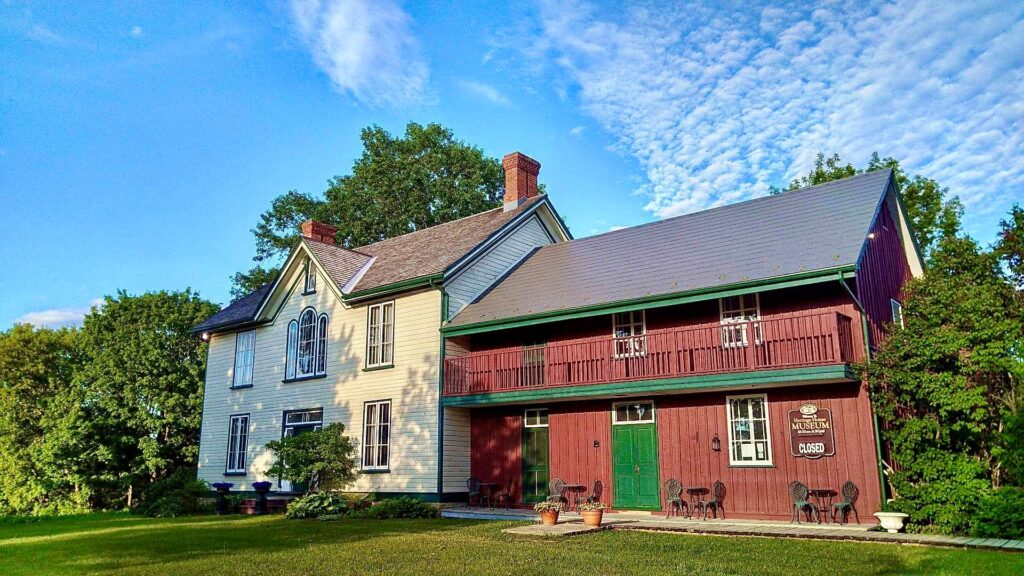
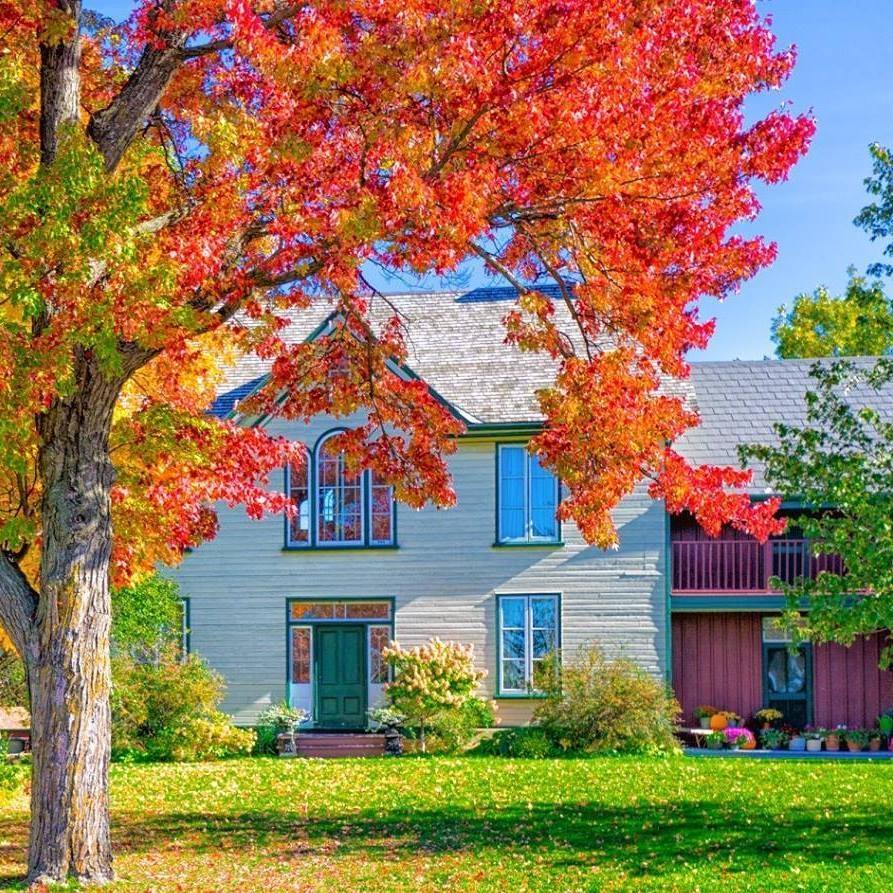
Heritage House Exterior

Step Beyond the Velvet Ropes

One of the most appealing aspects of Heritage House is its philosophy of bringing visitors closer to history.

Its “Step Beyond the Velvet Ropes” experiences move beyond simply looking at artifacts in display cases. Special tours, changing programs, seasonal activities, and interactive experiences invite visitors to explore history from different perspectives.

Signature experiences include:

Old Slys Nature Walk – Connect the museum’s story with its natural surroundings and nearby Rideau Canal landscape.

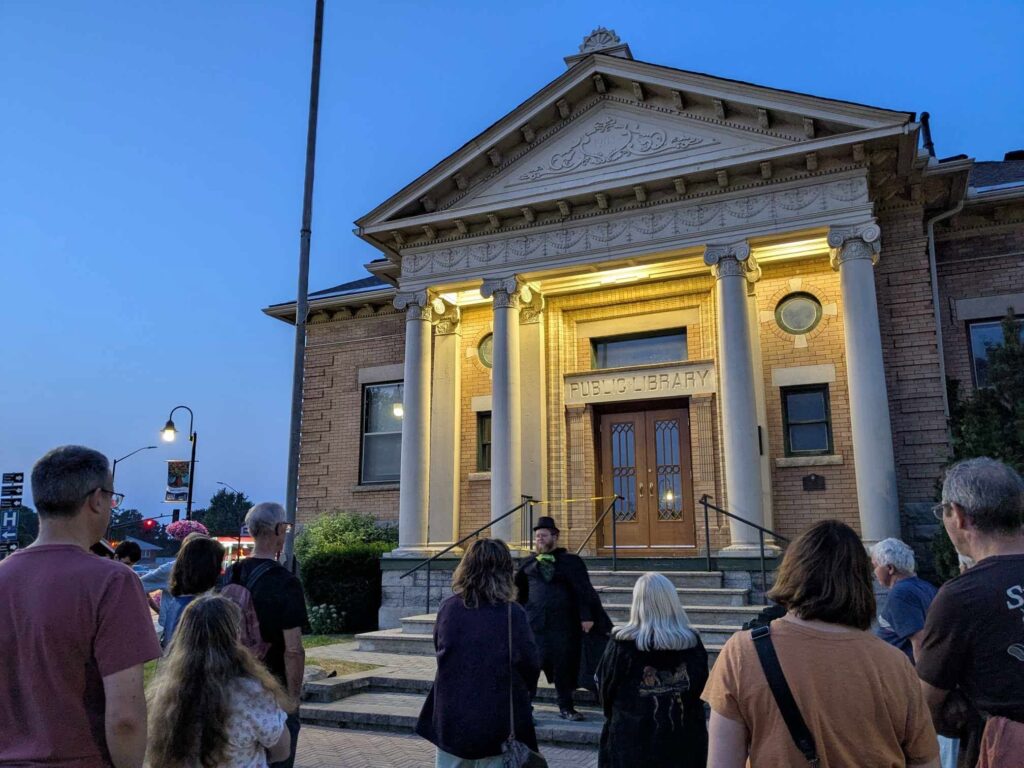
Ghost Walks – Discover a darker side of local history through stories associated with Smiths Falls and its past.

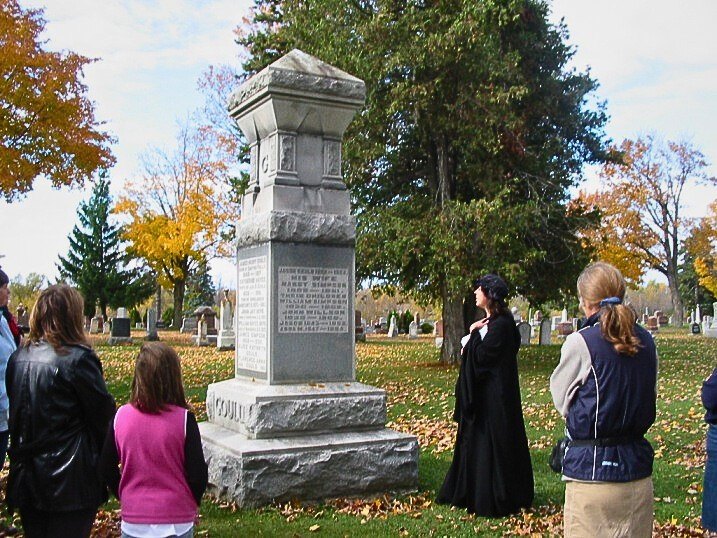
Cemetery Tours – Meet some of the people behind the names, dates, families, and events that helped build the community.

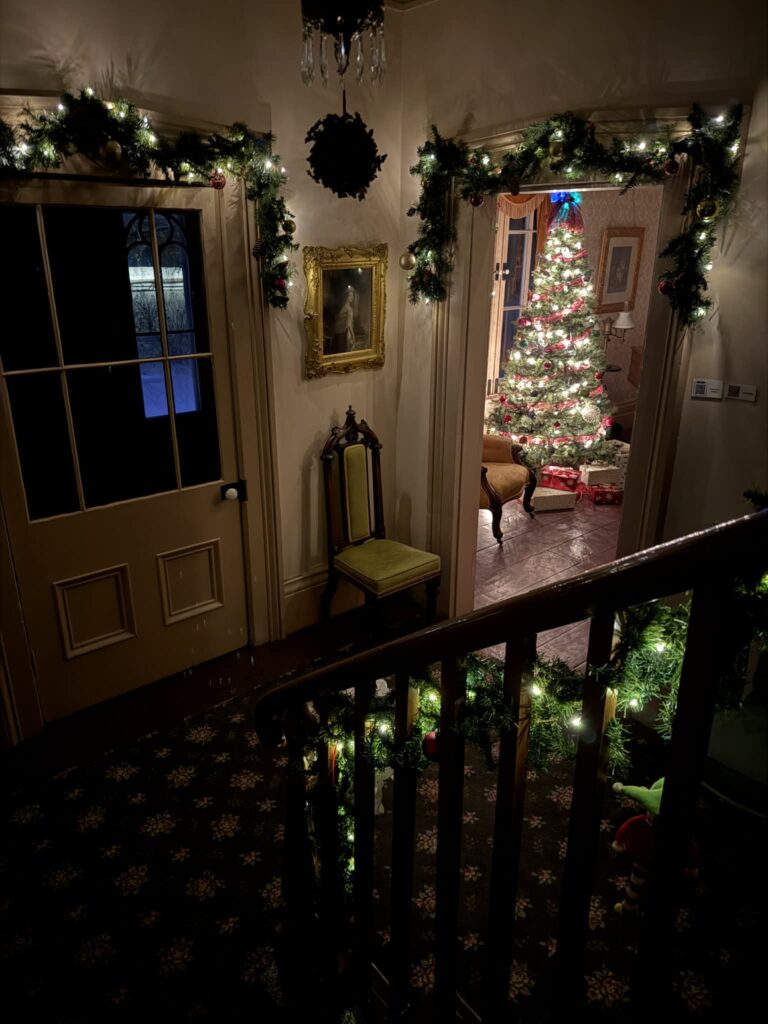
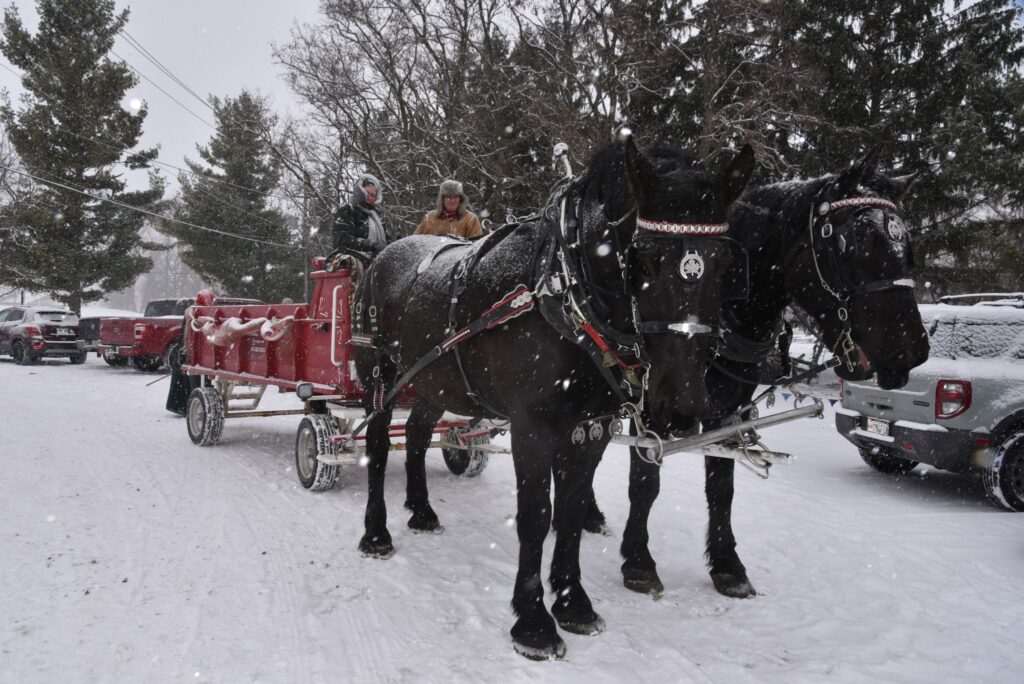
Holiday Traditions Tour – Experience the house dressed for the season while discovering how holiday customs have changed across generations.

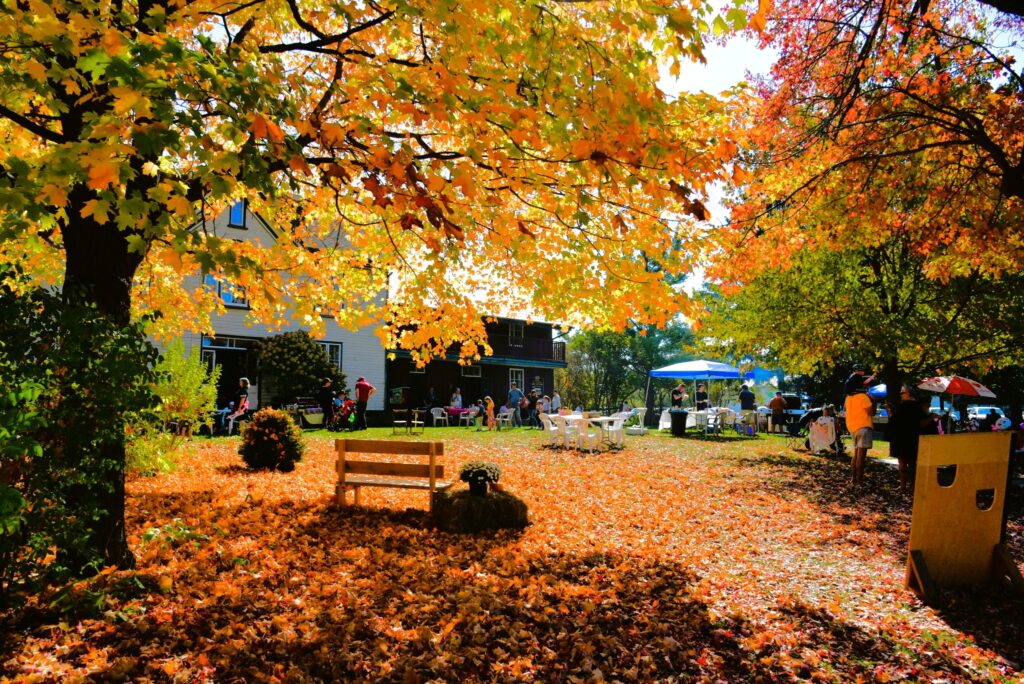
Fall Fest – A seasonal community celebration bringing families and heritage together.

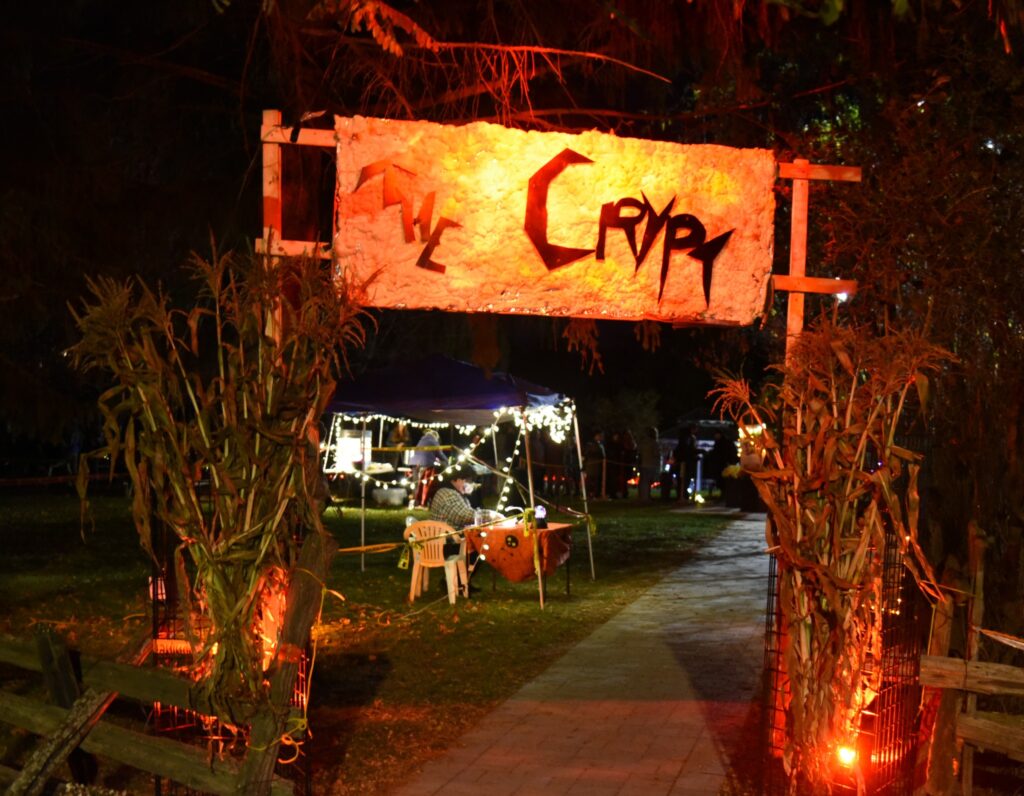
Haunted Heritage House – The historic home takes on a decidedly different personality when Halloween approaches.

Period-themed escape rooms, children’s camps, special exhibitions, and other programming provide still more reasons to return.

Museum Exterior in Autumn

Journey Through Time

19th Century: The house emerges during an important period in the development of Smiths Falls, as industry, transportation, and the Rideau Canal help transform the community.

Growing Smiths Falls: Families, workers, businesses, railways, and canal traffic contribute to a rapidly changing town, leaving behind photographs, documents, household objects, tools, art, and personal stories.

Heritage Preservation: Recognition grows that Smiths Falls’ domestic and community history deserves to be preserved alongside its better-known canal and railway heritage.

Heritage House Museum: The historic residence becomes a community museum where local artifacts, family histories, art, and period rooms can be preserved and interpreted.

Today: Heritage House continues evolving through changing exhibitions, research, interactive programs, community events, tours, children’s activities, and seasonal experiences.

Smiths Falls Outdoor Tours

Behind the Story

Perhaps the best way to understand Heritage House is to think of it not as a house frozen at one moment in history, but as a place filled with many Smiths Falls stories.

One year, visitors may encounter the story of a particular local family. Another exhibition might explore a different part of community life. Local artwork can share space with objects that have remained in Smiths Falls families for generations.

The museum also helps people investigate their own stories.

Genealogy and property research services are available, and Heritage House is home to the Lanark County Genealogical Society Resource Library. For someone tracing an ancestor, an old property, or a family connection to the area, a museum visit can become something much more personal.

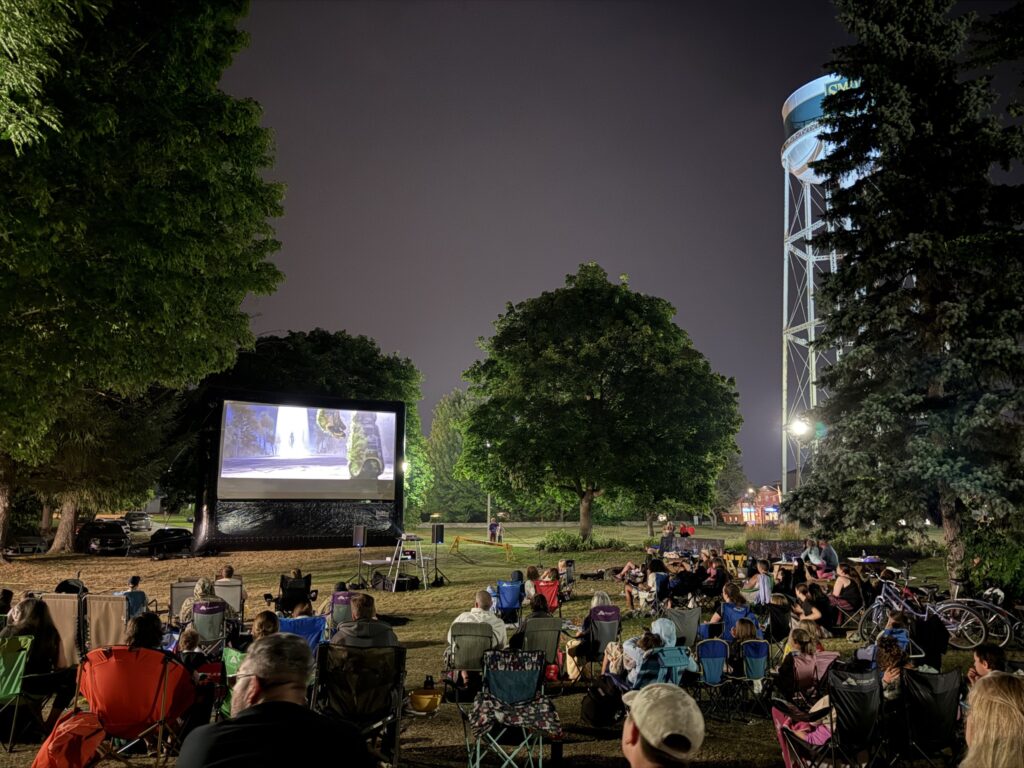
Museum staff and volunteers also reach beyond the Heritage House grounds. They help deliver community celebrations for the Town of Smiths Falls, including events such as Movie Nights and Canada Day.

In that sense, Heritage House isn’t simply preserving the community’s past.

It remains part of the community’s present.

Smiths Falls Heritage House Museum Ghost Walks

Where the House Meets the Canal

One of Heritage House’s greatest assets is its location.

Right next door is Old Slys Lock Station, part of the Rideau Canal National Historic Site and UNESCO World Heritage Site.

That creates an opportunity to experience two sides of Smiths Falls history in one visit.

Inside Heritage House are the personal stories: families, homes, possessions, traditions, and everyday life.

Outside is the larger transportation story: locks, waterways, engineering, commerce, and the Rideau Canal system that helped shape Smiths Falls.

Together, they help explain why this community developed where—and how—it did.

Museum Holiday Events

Explore Other Hidden Gems

Distance Experience Why Go
Next Door Old Slys Lock Station – Rideau Canal Watch one of Canada’s great historic waterways in operation and explore a UNESCO World Heritage Site
Nearby Smiths Falls Bascule Bridge Discover a National Historic Site and remarkable piece of Canadian transportation engineering
Nearby Railway Museum of Eastern Ontario Explore the railway story that helped transform Smiths Falls into an important transportation centre
Downtown Station Theatre Experience live community theatre inside a repurposed historic railway station
Downtown Smiths Falls Public Library Visit the community’s historic Carnegie library and continue exploring local stories

The nearby Cataraqui and Rideau Trails also provide opportunities to extend your visit into the surrounding landscape by foot or bicycle.

Movies

A House That Keeps Changing

There’s an interesting contradiction at the heart of the Smiths Falls Heritage House Museum.

Its job is to preserve the past—but it refuses to stand still.

Exhibitions change. New family stories are told. Children arrive for camps. Researchers search for ancestors. Visitors walk the grounds. Ghost stories emerge after dark. Holiday traditions return each winter. And throughout it all, the old house continues doing what houses have always done best:

holding people’s stories.

That may be the real reason to visit Heritage House.

Come for the architecture, the Rideau Canal connection, the working brick oven—or even that unforgettable two-storey privy.

But take the time to step beyond the velvet ropes.

You may discover that the most interesting history isn’t about buildings at all.

It’s about the people who called this place home.

Smiths Falls Heritage House Museum


The Barn

Your next stop happens to be that big red barn near the treeline. Walking in the side closest to you, you will find a variety of tools. The majority of these were made by Frost and Wood, once the largest manufacturer of farming implements in North America and was situated here in Smiths Falls from 1837 to 1955. Up until 2018, they were the largest employer to ever be in Smiths Falls with over 1,200 employees during World War 2.

FallFest

Sitting below the display case closest to you would be an ice cutter. Normally during the winter this plow-like tool would be pulled by horses over the Rideau Canal in order to collect the ice for use in the warmer months. The ice in Smiths Falls came from Mr. Shanks, and it was often harvested near the Bascule bridge in town since the rapids in other parts of Smiths Falls were much too rough to gather the ice safely nor did the ice freeze very well. In the center of the two cases is one of the oldest tools we have at the museum. It is a grindstone with the name J. H. Gould (James Henry Gould), who was integral to the early development of Smiths Falls businesses. His father, Jason Gould, came from Roxbury, New York, in 1829 to work on the canal originally and in two years had mills (grist mills and a sawmill) that brought him prosperity. Jason’s company would dominate Smiths Falls, with departments in almost any manufacturing business one could think of. James H. Gould took over the company around the 1860’s.  Instead of driving away competition, Gould encouraged and even aided smaller businesses to help get them started. Around the early 1900’s his business came to be known as Gould Manufacturing.

Smiths Falls Heritage House Museum - Holiday Heritage House

Underneath the other display case is a number 15 Frost and Wood horse-pulled hand plow, made early 20th century. One of the best selling items that Frost and Wood produced, horse pulled hand plows provided easy labour for cheap since the plows just needed steering and were made of little material. A Frost and Wood push mower can be found near the window. These push mowers relied on a single gear powered by pushing to cut the grass with efficiency and vigor. The original push mower was designed in 1830 in England, and these mowers do not stray too far from the original design. The large canvas and wood contraption is a Frost and Wood hay binder, which they first started producing around 1884. The binders were complete with “knotter” mechanisms that bundled grain together with twine or wire. The large machine in the back right-hand corner is a Frost and Wood Grain Cleaner.

Cemetery Tour

The mass of bricks in the wheelbarrow are bricks from the brickyard of Matthew Ryan, who built many houses and important buildings in Smiths Falls starting in the mid-1870’s (most of which still stand today). Though many of his notable structures have been torn down (such as the Smiths Falls public market building and the original Saint Francis de Sales Separate School) His brickyard was located next to the museum on Queen street, around where the sewage plant exists today. The metal device on top was for carrying bricks and mortar up ladders with ease.

Haunted House