10 reasons to visit Cabbagetown
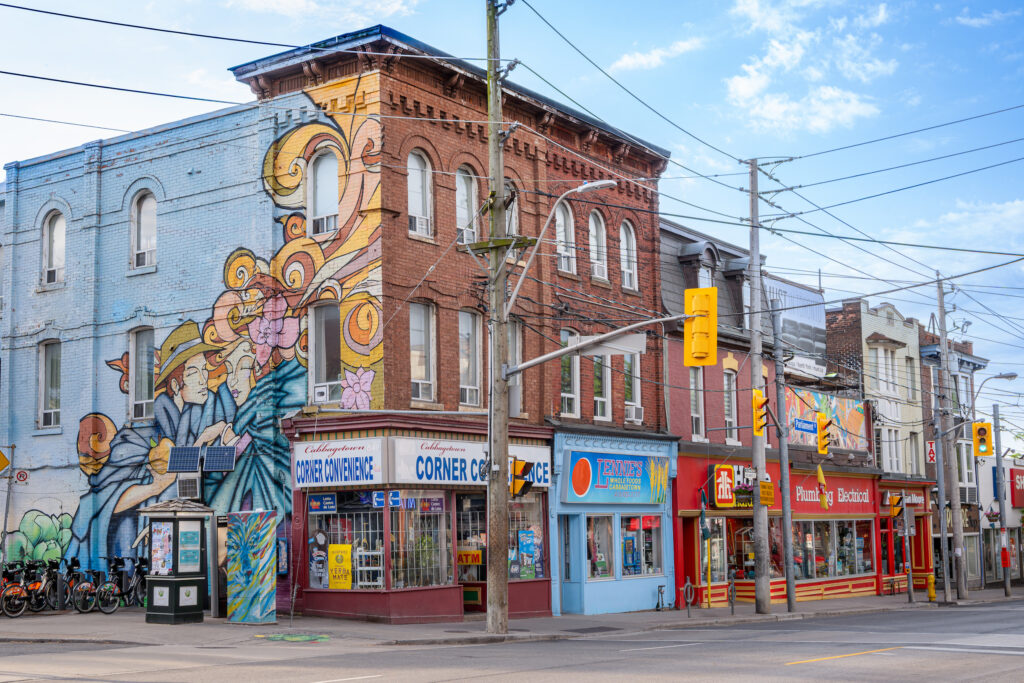
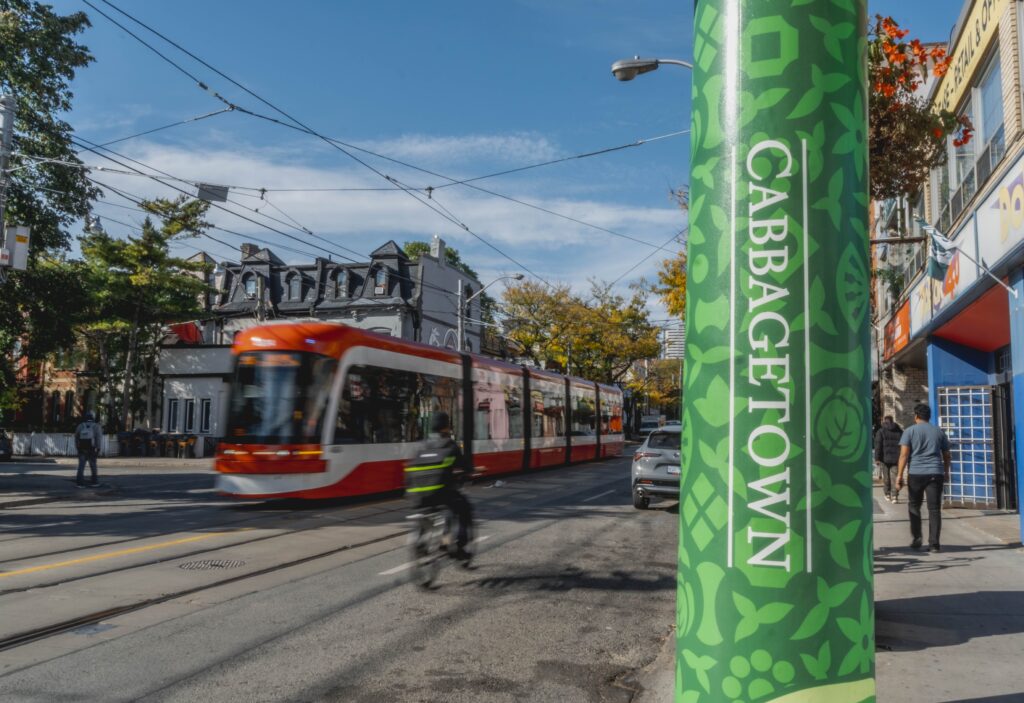
Filled with history, architecture, attractions, events and culinary delights, Cabbagetown is a vibrant Toronto neighbourhood that blends old-world charm with modern energy, making it a must-visit destination in the city any time of year. An oasis for history architecture buffs, urban adventure seekers and food enthusiasts, Cabbagetown has a distinct character that captivates everyone who wanders its streets – and we’ve rounded up the top 10 reasons to stop by.
1. Visit Toronto’s downtown farm
Free to visit and explore, Riverdale Farm is an one-of-kind 7.5-acre outdoor attraction in downtown Toronto that has been popular with families, friends and couples for over 40 years. Formerly Toronto’s first zoo, Riverdale Farm opened in 1978 as a working farm with goats, horses, pigs and many other adorable animals. The farm hosts regular community events, farm demonstrations, craft programs and kids’ camps, and lush flower, vegetable and herb gardens.
AND don’t miss Riverdale Park West, located in the park just east of the farm, a massive green space with stunning views of the city skyline that provides a serene spot for picnics, baseball games, tobogganing, dog walks, and year-round outdoor fun.
2. Get a glimpse into history
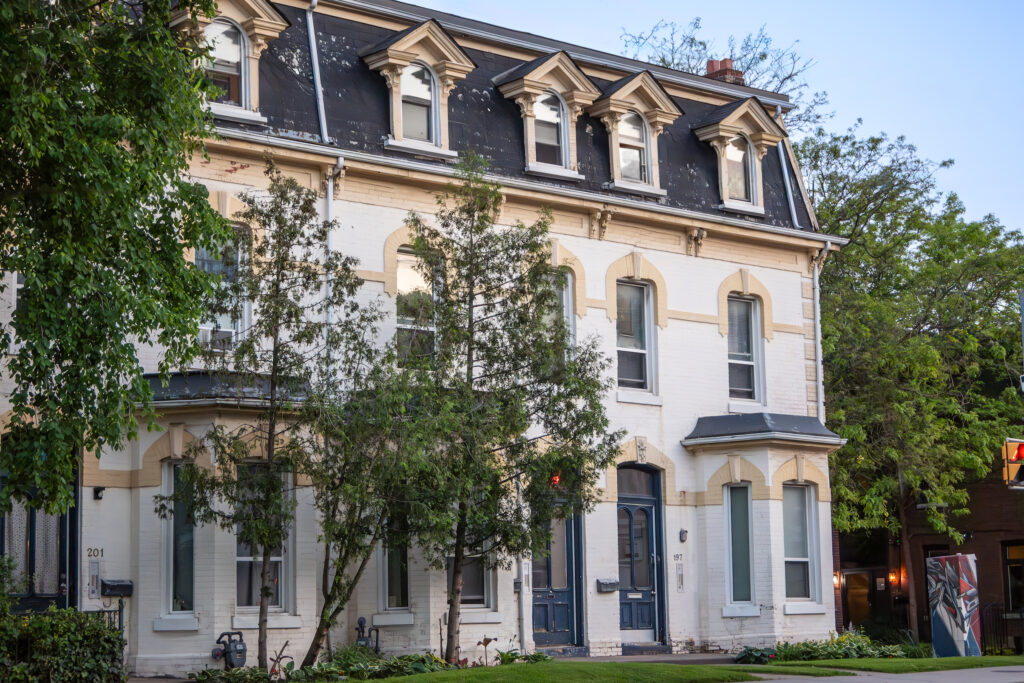
Travel back in time! Cabbagetown is home to the largest collection of preserved Victorian homes in North America—a sight that transports visitors to another era. Established in 1840 and designated a historic district in 2004, the Toronto neighbourhood’s architecture presents a rare view into the nineteenth century. Keep an eye out for 50 homes in the neighbourhood that feature plaques commemorating historical figures who made major contributions in fields such as the arts, literature, science, academia, politics, sports and religion.
3. Savour a myriad of culinary destinations
Enjoy exceptional culinary experiences in the east end neighbourhood, home to an eclectic mix of cozy cafes, delectable eateries, and cool cocktail bars that reflect the diverse multicultural makeup of the area.
Just some must-visit spots include Mikaku Udon Bar (229 Carlton St.) an ultra-cool Asian fusion noodle bar; La Gloria Coffeehouse (453 Parliament St.) a modern Mexican coffee shop; Bisou (350 Berkeley St.) a chic French neo-bistro; New Retro (193 Carlton St.) a buzzy hidden gem Japanese restaurant and bar; House on Parliament (454 Parliament St.) a historic British-style pub with elevated fare and multiple patios; L’avenue on Parliament (583 Parliament St.) an acclaimed French bistro; Cafe Rayah (507 Parliament St) a French Moroccan café and restaurant, Jet Fuel Coffee (519 Parliament St.), a legendary Cabbagetown hotspot for strong espresso and edgy energy; F’Amelia (12 Amelia St.) a rustic trattoria with a glass atrium and large patio; Kingyo Fisherman’s Market (51B Winchester St.) a premium Japanese Fish Market offering dine-in, takeaway, groceries and gifts; Butter Chicken Factory (560 Parliament St.) hailed as one of the best Indian restaurants in the city with a dedicated following on TikTok; Super Bargain (441 Parliament St.) an intimate and lively bar with expertly crafted cocktails and popular drag performances; Stout Irish Pub (221 Carlton St.), bringing Cabbagetown’s rich Irish roots to life with hearty fare and a spirited community atmosphere; Momo Ghar (568 Parliament St) a family-run Tibetan and Nepali restaurant; St. James Town Steak and Chops (516 Parliament St.) is a long-running family-owned butcher with a robust grab-and-go section,
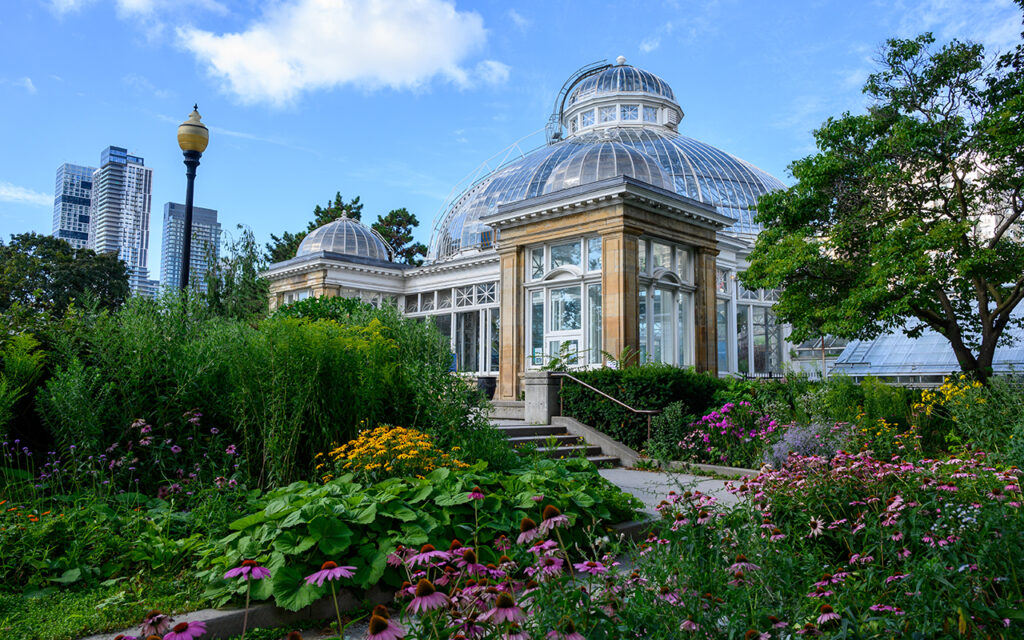
The Allan Gardens Conservatory dates back to 1858, with the City purchasing the land in 1864. The current Conservatory building dates back to the opening of the Palm House in 1910, with a number of additional greenhouses opening since then.
4. Stop and smell the flowers at Toronto’s indoor botanical garden
Take in beautiful blooms any time of the year at the Allan Gardens Conservatory, a historic 16,000 square foot indoor botanical garden with six greenhouses filled with colourful plants and flowers from around the world. This go-to floral refuge is a must-see Cabbagetown attraction that is free-to-visit and open for everyone to enjoy.
And keep an eye on the regular community events, workshops and markets happening inside and in the surrounding park.
5. Support local and visit indie shops
Support local businesses and find one-of-a-kind items and services along Cabbagetown’s main street that is filled with a variety of independent shops.
A few recommended places to visit include Artisan MRKT(503 Parliament St.) a boutique gift shop that houses a variety of giftware and novelties from local artisans; KENDALL & Co. (514 Parliament St.) a one-stop destination for design-forward furniture, décor, gifts and home design; FTJCo (576 Parliament St.) features one-of-a-kind, hand-crafted jewellery and ethically sourced, on-trend everyday pieces; Double Take Thrift Store (310 Gerrard St. E.) a social enterprise offering a curated selection of affordable, sustainable second hand fashion books, records, kids toys and homewares; Green’s Antiques (529 Parliament St.) repairs and restores past treasures and retails antique furniture, statues, jewellery, clocks, chandeliers, lamps, mirrors, memorabilia and more; Powder Bride (550 Parliament St.) a high-fashion boutique with a curated collection of couture bridal gowns; Timeless Collective Toronto (574 Parliament St.) a trendy shop filled with timeless modern and vintage clothing and accessories; The Beastiary Pet Shop (570 Parliament St.) an indie pet shop that specializes in natural, eco-friendly products for dogs, cats, birds, small animals, fish and reptiles; and Sequins Studio (552 Parliament St.) a charming boutique movement studio offering barre call, duck comfit and connect core classes.
6. Walk through Toronto’s oldest cemetery
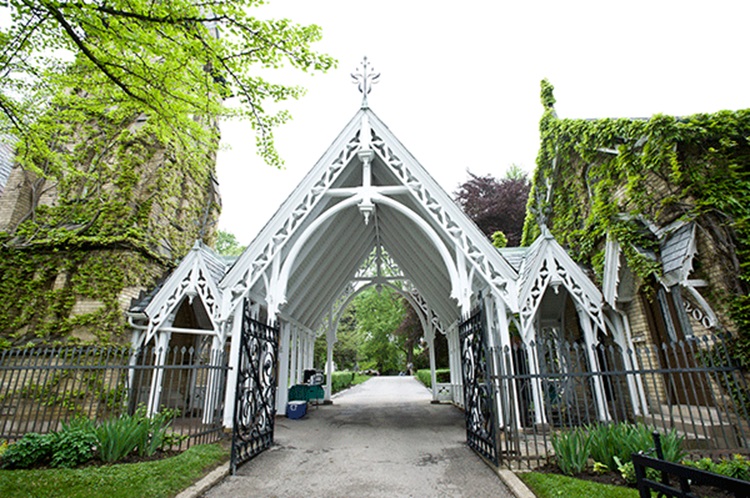
Leave the hustle and bustle behind and take a peaceful, tranquil roam around the grounds of Toronto Necropolis, filled with fascinating history and gorgeous gardens.
Dating back to 1850, Toronto Necropolis is one of the city’s oldest and most historic cemeteries, characterized by breathtaking natural vistas and distinctive architecture, including stained glass windows. The collection of sculpture and Victorian buildings makes it one of the most picturesque cemeteries in the city, with fine examples of High Victorian Gothic architecture. The Necropolis is the final resting place of Toronto’s first mayor, William Lyon Mackenzie, and former NDP leader Jack Layton, among other notable figures.
7. Experience an immersive walking tour
Sign up for a walking tour to see the sights and discover a bevy of interesting stories behind Toronto’s historic Cabbagetown neighbourhood.
The Cabbagetown Preservation Association hosts a popular Tour of Homes experience showcasing the rich architectural history of Cabbagetown’s residential properties, from ornate Victorian facades to innovative contemporary interiors. They also offer private tours.
The Cabbagetown BIA offers a Main Street Walking Tours: Exploring Heritage and Hubs. The free self-guided, app-based tour provides an interactive and user-friendly way to explore the diverse attractions and historical gems of Cabbagetown. From architectural splendors to historic landmarks, participants uncover the rich history and stories behind the dynamic neighbourhood and its small businesses. Download the app and start at the corner of Carlton & Sherbourne.
8. Attend the city’s longest-running street festival
The Cabbagetown Festival is an inclusive free-to-attend street festival that entertains visitors of all ages with DJs, live music, street performers, artisan stalls and shops, food trucks, pop-up patios and restaurants, games, a Kids Zone, a closing parade and more – representing and celebrating cultures from Canada and around the world. Founded in 1976, the award-winning Cabbagetown Festival is one of Toronto’s longest-running and most beloved street festivals, happening the weekend after Labour Day each year.
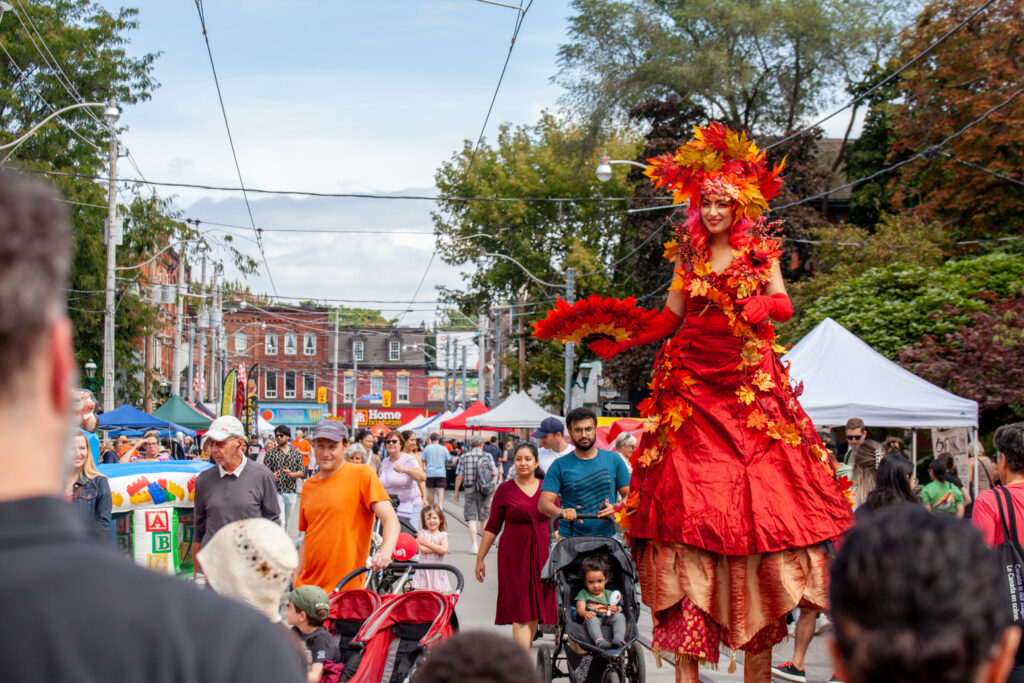
Cabbagetown Festival – Photo By Alexei Malakhov_IMG_5584-web
9. Visit one of the many Spring/Summer markets and events
Engage with the community this spring and summer at one of the many markets, shows, and festivals in Cabbagetown. the Allan Gardens Farmers Market (Saturdays from 10am until 2pm), the Cabbagetown Farmers Market (Tuesdays from 3pm until 7pm), Cabbagetown Art & Craft Show; Riverdale Farm Fall Festival, and more.
10. Sight-see incredible architecture
Wander around Cabbagetown and take in some of the city’s most fascinating historical buildings.
Buildings to check out include Winchester Theatre, originally the Saint Enoch’s Presbyterian Church, this architectural gem was constructed in 1891 and is now home of the Toronto Dance Theatre. Standing as a rare exemplar of the Romanesque Revival style within the city, it holds a unique status both from a cultural and historical perspective; Chapel of St.-James-the-Less is one of the city’s oldest Gothic Revival chapels, with pointed arch windows and detailed stonework it sits as a National Historic Site; Spruce Court Co-op, one of Toronto’s first social housing projects, was influenced by English Garden City design and features red brick exteriors and stunning landscaped courtyards; St. Luke’s United Church was built in 1886 as Sherbourne Street Methodist Church – the 1200-seat church was designed in the Richardsonian Romanesque style, and in 1959 St. Luke’s Church was formed and took over the site; The Winchester Hotel is a Romanesque Revival-style former hotel, now a historic landmark. Recognizable by its red brick façade, arched windows and turret, The Winchester Hotel was built in the 1880s and has a rich history as a social hub, once home to a famous tavern famous for its brawls; and St Peter’s Anglican Church is a stunning Gothic Revival church with a tall bell tower and intricate stonework, now home to Dixon Hall Neighbourhood Services that supports underrepresented communities and fighting food insecurity.
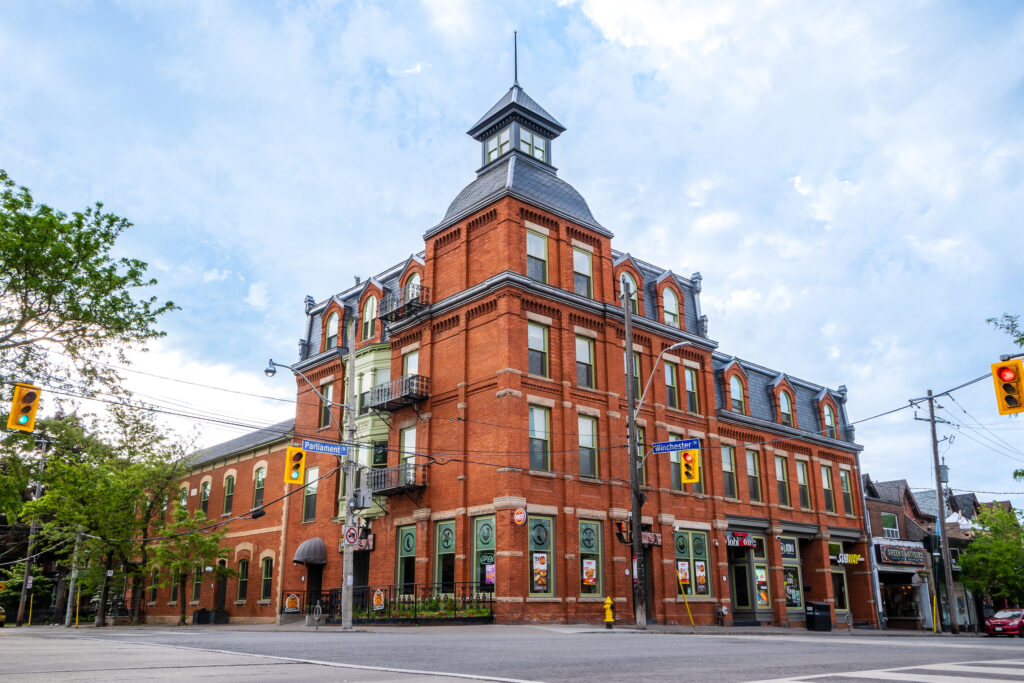
Winchester Hotel
Explore Other Hidden Gems
| Distance |
Detour Idea |
Why Go |
| 1 km |
Riverdale Farm |
A working urban farm with historic buildings and farm animals |
| 2 km |
Allan Gardens Conservatory |
Beautiful year-round greenhouse and botanical displays |
| 3 km |
St. Lawrence Market |
One of Canada’s most celebrated food markets |
| 4 km |
Distillery Historic District |
Victorian industrial architecture, galleries, shops, and dining |
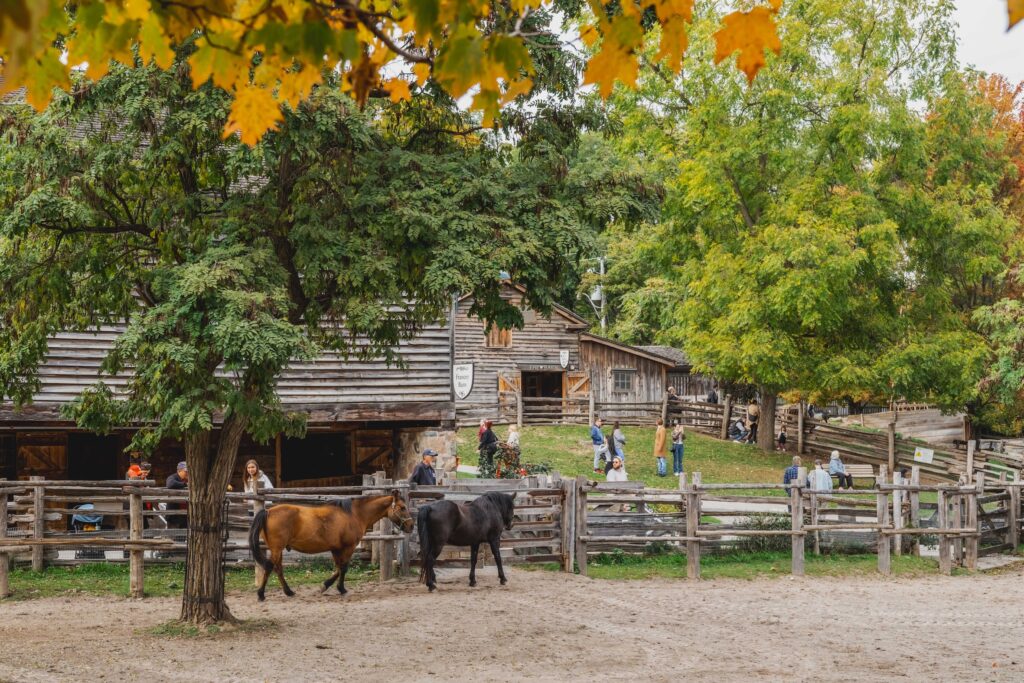
Riverdale Farm
Nearby Experience
A visit to Cabbagetown pairs perfectly with a stroll through nearby Riverdale Farm. The farm’s heritage buildings, gardens, and livestock offer a surprising rural experience just minutes from downtown Toronto and complement the neighbourhood’s historic character beautifully.
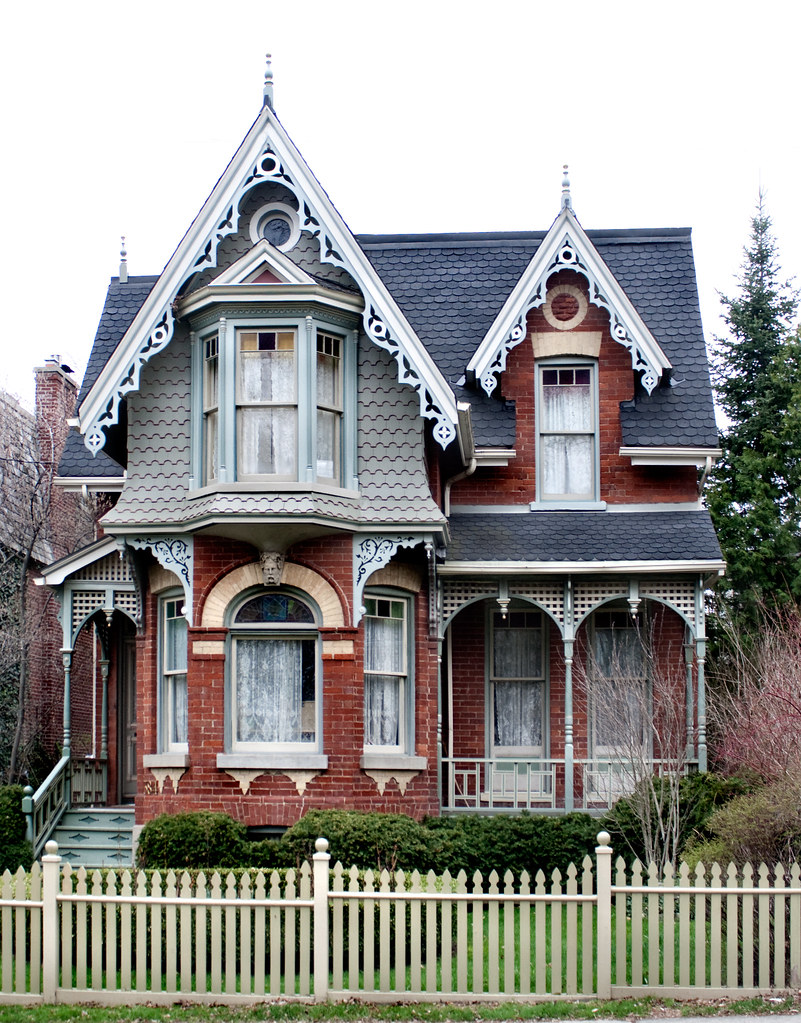
Cabbagetown – Victorian Homes
Disclaimer
Details are verified at posting, but businesses, attractions, and access may change. Confirm specifics before travelling. Ontario Visited and Festival and Event Services Inc. are not liable for last-minute changes. Spot an error? Tell us and we’ll fix it fast.