












Fort St. Joseph National Historic Site
Fort St. Joseph National Historic Site • St. Joseph Island • Algoma District • Northern Ontario
Moss-covered stone ruins on a windswept island shore where British soldiers, fur traders and Indigenous allies launched the War of 1812’s first land assault.
Visitor Experience
📍 Location 185 Fort St. St. Joseph Island, 56 km southeast of Sault Ste. Marie
📅 Season / Best Time June 1 – September 30, · Peak birding: late June
⏰ Hours Wednesday – Sunday 10 am–5 pm
💲 Admission $5 adult · $4.50 senior · Youth 17-&-under free – Parks Canada Discovery Passes accepted
♿ Accessibility Visitor centre, washrooms & short outlook trail accessible; Fort ruins grassy with hills, outlying trails natural & uneven
🅿️🚻 Amenities Free parking · Modern washrooms · Picnic tables · Gift shop
🕒 Recommended Time 2–3 hrs (museum + historic demonstrations and fort ruins)
🌐 Contact parks.canada.ca/stjoseph • [email protected] • 705-246-2664
Why Fort St. Joseph Deserves a Spot on Your Northern Itinerary
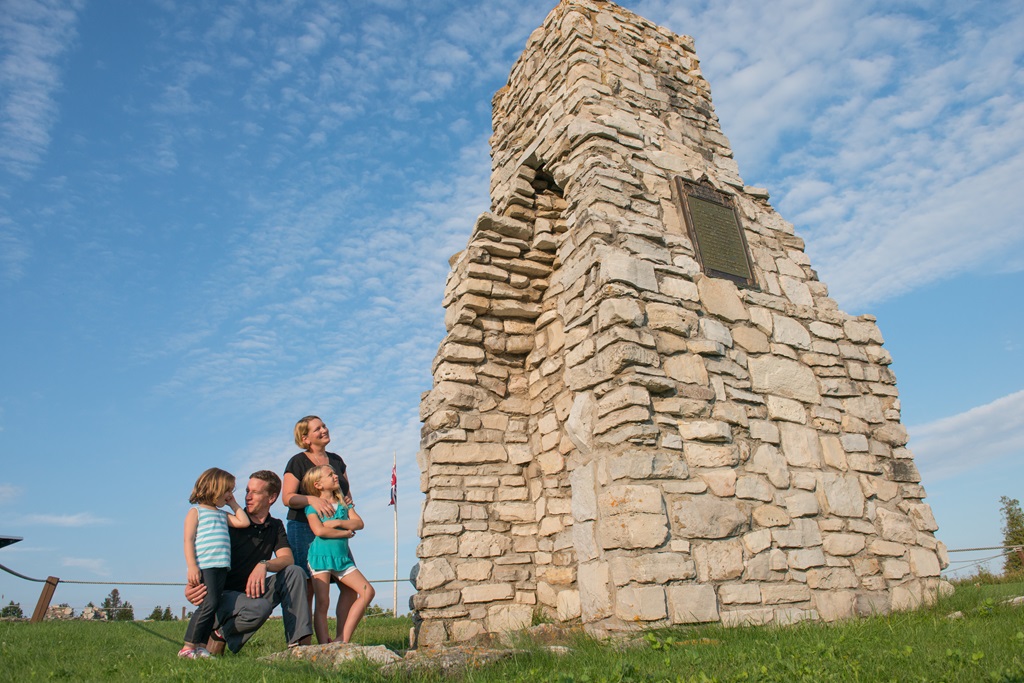
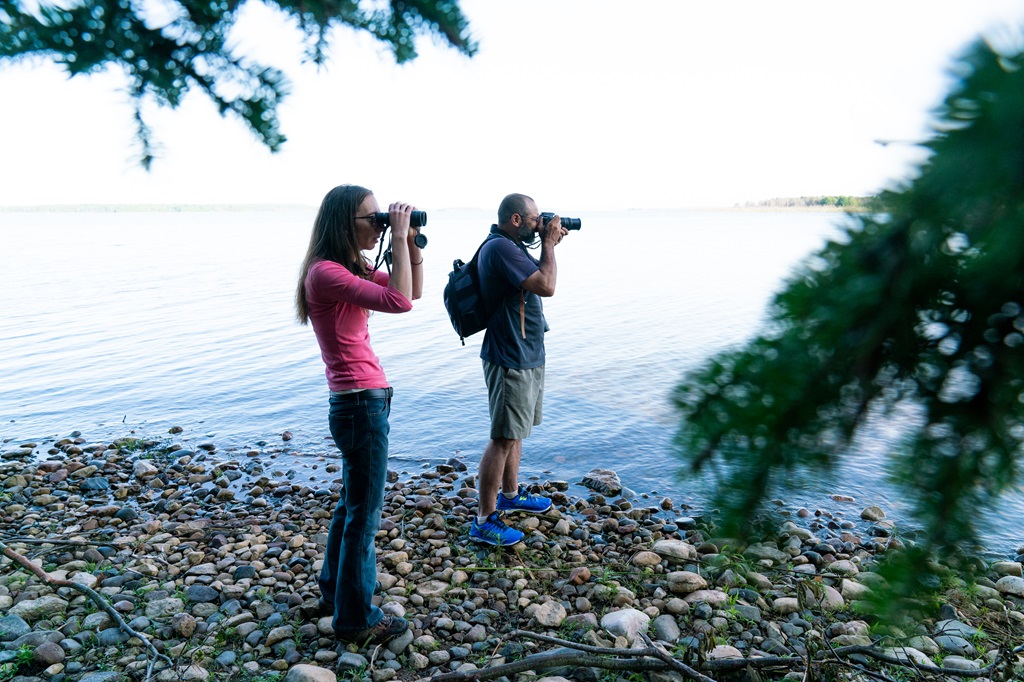
Standing on a rocky point ringed by mixed cedar and hardwood forest, you’ll hear loons echo across Lake Huron, and see the DeTour Passage – the route — British troops, fur traders and Indigenous warriors paddled in July 1812 to capture Fort Michilimackinac, turning early momentum of the War of 1812 in Britain’s favour. Today the limestone foundations of barracks, bakehouse, and powder magazine, along with civilian houses frame the same turquoise water, while costumed interpreters load flintlock muskets and explain how alliances with the Anishinaabe and other First Nations, as well as Métis fur traders shaped the frontier war. Wander the shoreline for bald-eagle sightings and unobstructed views of Michigan’s forested coast only three kilometres away.
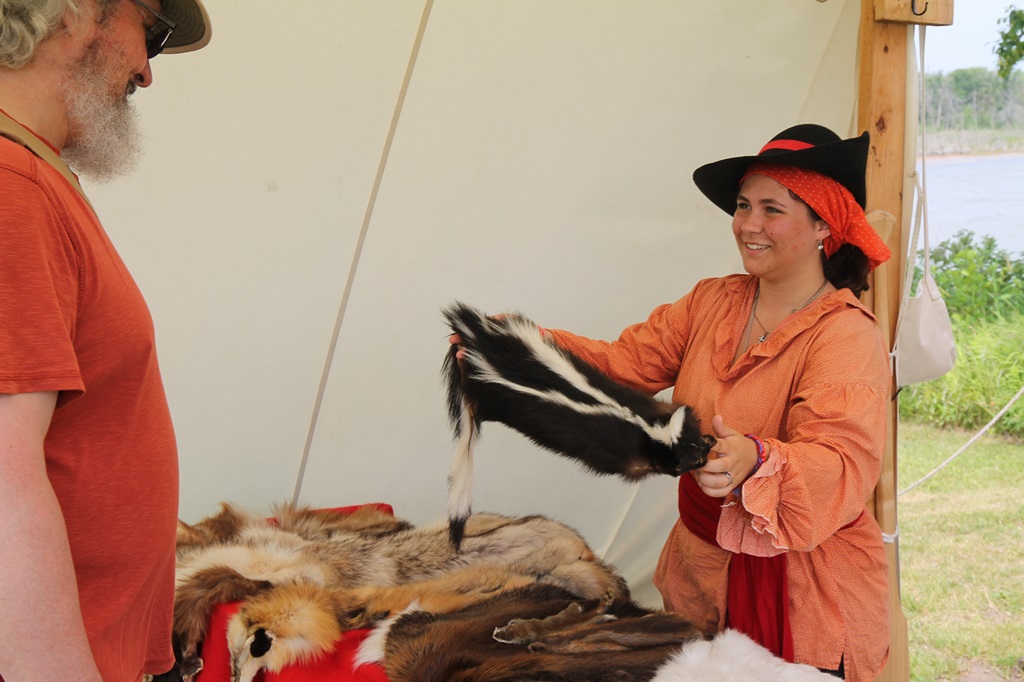
Interpreter Showing Fur
Fun Fact:
The 1812 Michilimackinac raid launched from Fort St. Joseph involved 45 British soldiers—yet 200 voyageurs and over 400 Indigenous warriors volunteered for the journey.
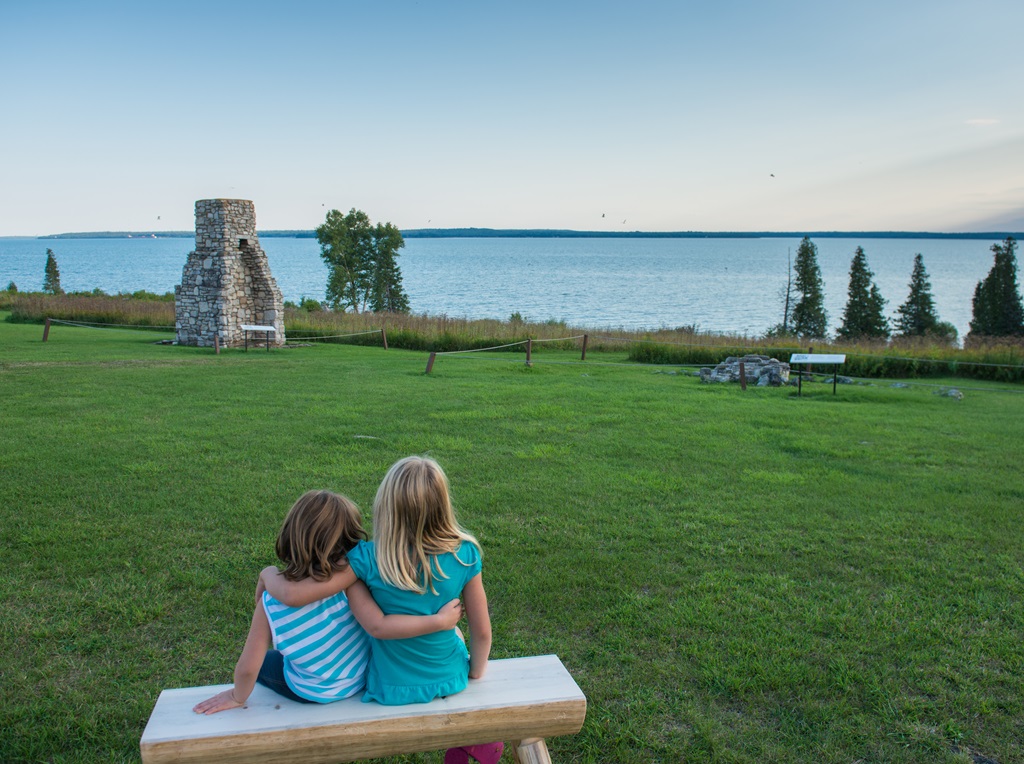
Children with the Ruins