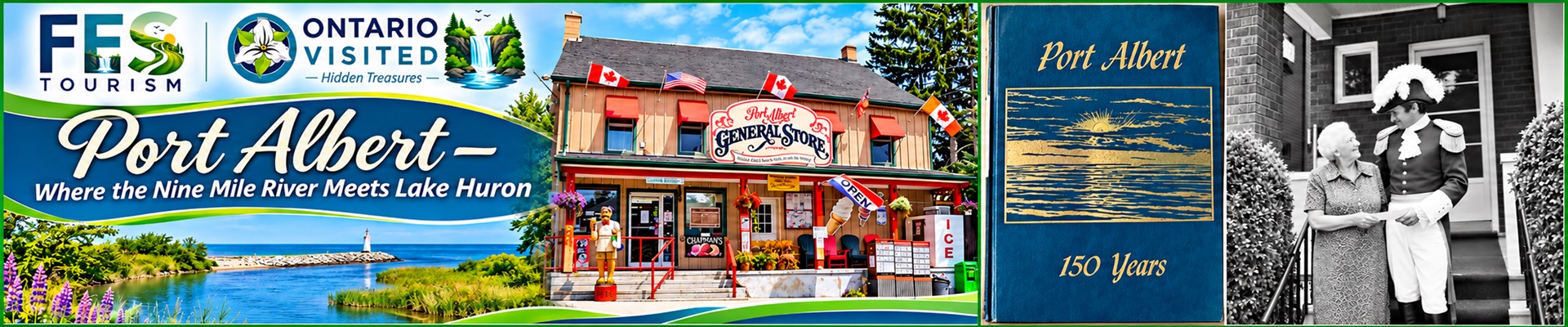












Hidden Ontario: Port Albert

“Where the Nine Mile River Meets Lake Huron”

Port Albert • Huron County • Ontario’s West Coast (Huron Region)



Snapshot

Tucked along the Lake Huron shoreline, north of Goderich, Port Albert is one of those small Ontario communities where history, nature, and everyday village life come together.

At the mouth of the Nine Mile River, this quiet settlement has a story much larger than its size might suggest. Once a place of sawmills, lumber shipments, local businesses, and lively waterfront activity, Port Albert has evolved into a peaceful destination for visitors seeking scenic beauty, local history, and a slower pace.

Today, visitors can discover the Port Albert Fishway, explore the village, stop at the historic general store, and enjoy the Lake Huron shoreline. Behind these attractions lies a history of hardworking families, close friendships, and generations of community traditions.

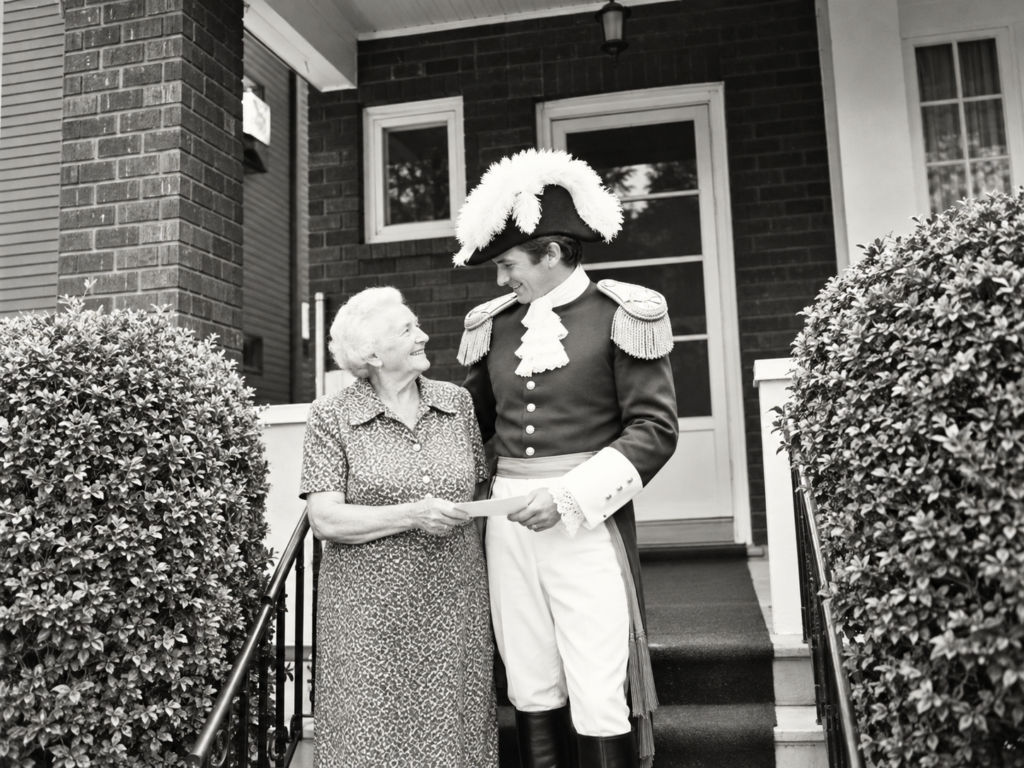
And thanks to the recollections of Mrs. Margaret Myers, recorded by Frank R. Gardiner, we can also glimpse what life was like when Port Albert was a bustling little village where almost everyone knew their neighbours.
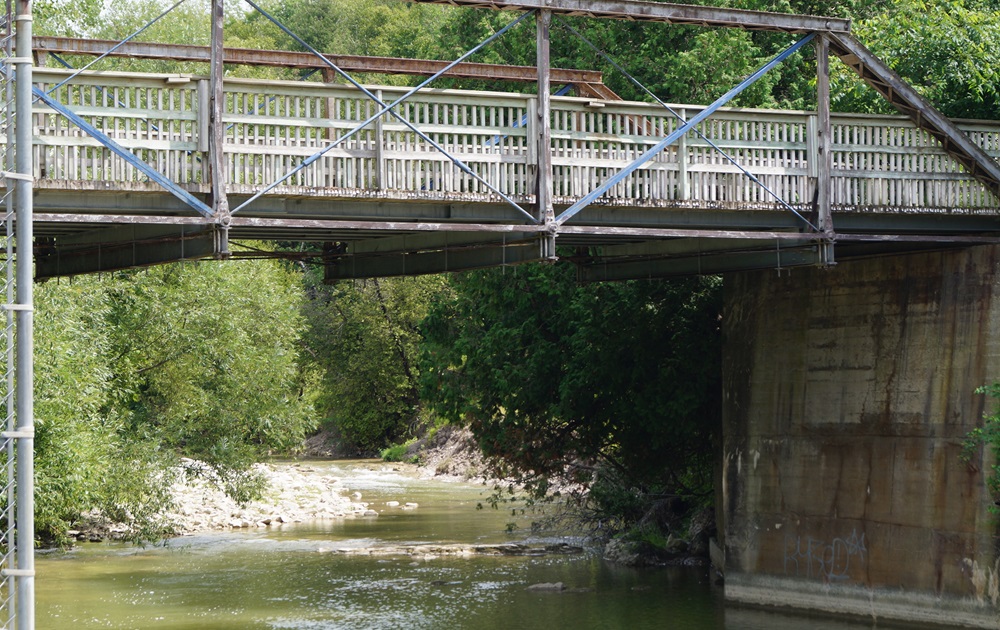
Port Albert Bridge

🧭 Visitor Experience

Information Details
📍 Location Port Albert, Township of Ashfield-Colborne-Wawanosh, Huron County
🗺️ Region Ontario’s West Coast, north of Goderich
🌊 Main attractions Lake Huron shoreline, Nine Mile River, Port Albert Fishway
🐟 Fish viewing Spring and fall migrations; timing varies
🏖️ Activities Beach visits, photography, sightseeing, fishing where permitted, and heritage exploration
💲 Admission No general admission fee to explore the village and public outdoor attractions
🅿️ Parking Limited parking in parts of the village; follow posted signs
♿ Accessibility Conditions vary, particularly near the river, fishway, and beach
🌐 Information Township of Ashfield-Colborne-Wawanosh

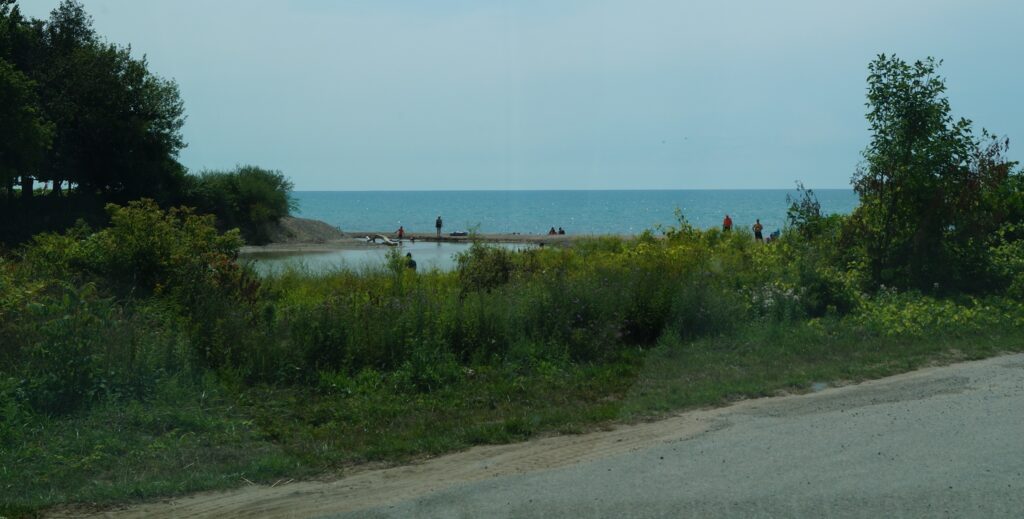
Lake View

📋 What You Need to Know

Port Albert is best explored at a relaxed pace. Allow an hour or two to discover the fishway, village centre, and waterfront, or stay longer to enjoy the beach and surrounding countryside.

Spring and fall are especially interesting for visitors hoping to see migrating fish. Summer brings opportunities to appreciate Lake Huron’s shoreline and sunsets.

The fishway is a conservation facility, not a fishing location itself. Visitors should respect posted restrictions, private property, and sensitive riverbank areas. Swimming conditions at Lake Huron can change quickly, and beach access and facilities should be checked locally.
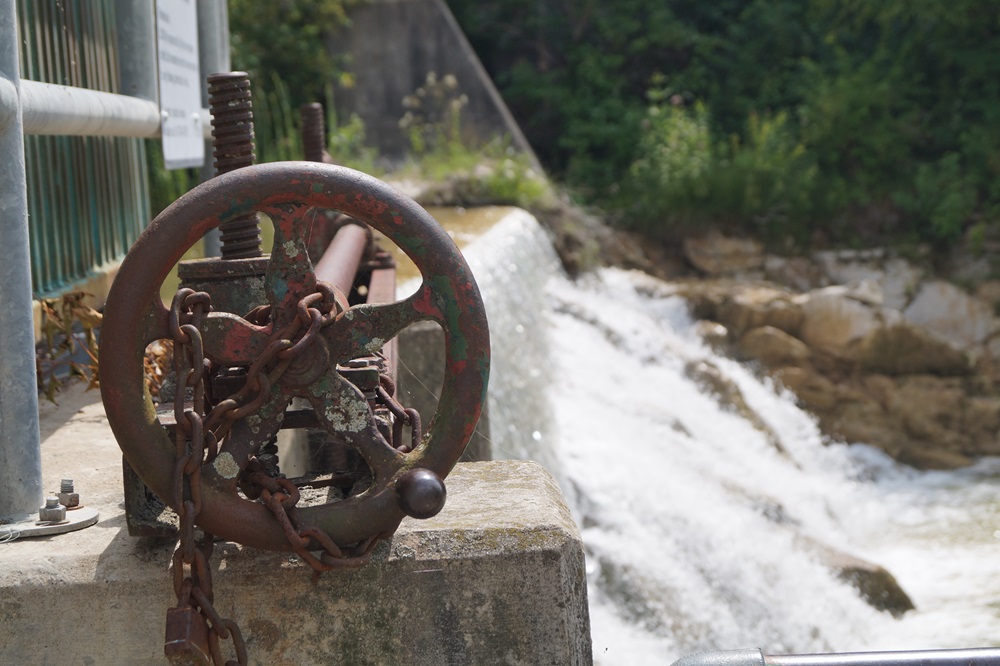
Dam

A Village Shaped by Water, Work, and Community

Long before Port Albert became a quiet lakeside retreat, the Nine Mile River was central to the community’s livelihood.

The river provided waterpower for local industries, while nearby Lake Huron offered transportation connections and opportunities for fishing and commerce. Sawmills and lumber operations were important parts of village life, and the surrounding agricultural countryside supported families and businesses.

Port Albert’s history was shaped by the relationship between the river, the lake, and the people who settled along their banks.

Lumber was particularly important. Logs could be processed at local mills and loaded aboard schooners, connecting a relatively small community to the wider Great Lakes economy.

The village was also a place of craftspeople, merchants, farmers, and families whose daily activities created a strong sense of community.

The historical recollections of Margaret Myers describe sawmill workers, blacksmiths, woodworking shops, and neighbours who regularly helped one another. Her memories remind us that the history of a place is not measured only by its buildings or industries, but also by the lives of those who called it home.
The Port Albert Fishway – Helping Nature Find Its Way

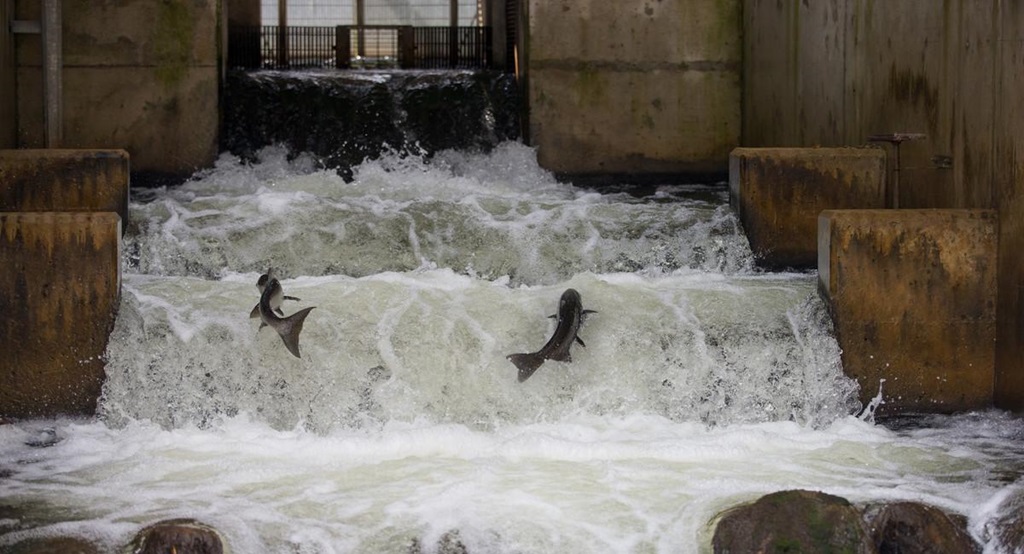
One of Port Albert’s most interesting attractions is the Port Albert Fishway, often called the fish ladder.

Located along the Nine Mile River near the village centre, the fishway allows migrating fish to move upstream past an obstruction associated with the historic mill dam.

The structure represents an important change in how the river is used. Where waterpower once supported local industry, the river now also serves as a focus for fish conservation, research, and environmental education.

The fishway is designed to help trout and salmon travel upstream to spawning habitat. Ontario identifies it as a vertical-slot fishway, a design that allows fish to move through openings between sections of the structure.
Fishway

A seasonal natural spectacle

During spring, rainbow trout, often called steelhead, make their way upstream. The best viewing opportunities are generally from late March into early May, with peak activity often occurring in the latter part of April.

Autumn brings another period of activity, with salmon and trout migrations occurring from September into November. Exact timing depends on water levels, temperatures, and other natural conditions.

The Nine Mile River Steelheaders, a volunteer conservation organization established in 1988, have played an important role in monitoring fish populations and supporting the health of the watershed.

For visitors, the fishway offers more than the possibility of watching fish jump. It provides an opportunity to appreciate the relationship between local history and modern conservation.

Interpretive displays near the fishway help explain the river’s natural and industrial heritage.
Port Albert Scene

The Port Albert General Store – A Village Gathering Place

Few places capture the character of a small Ontario community quite like its general store.

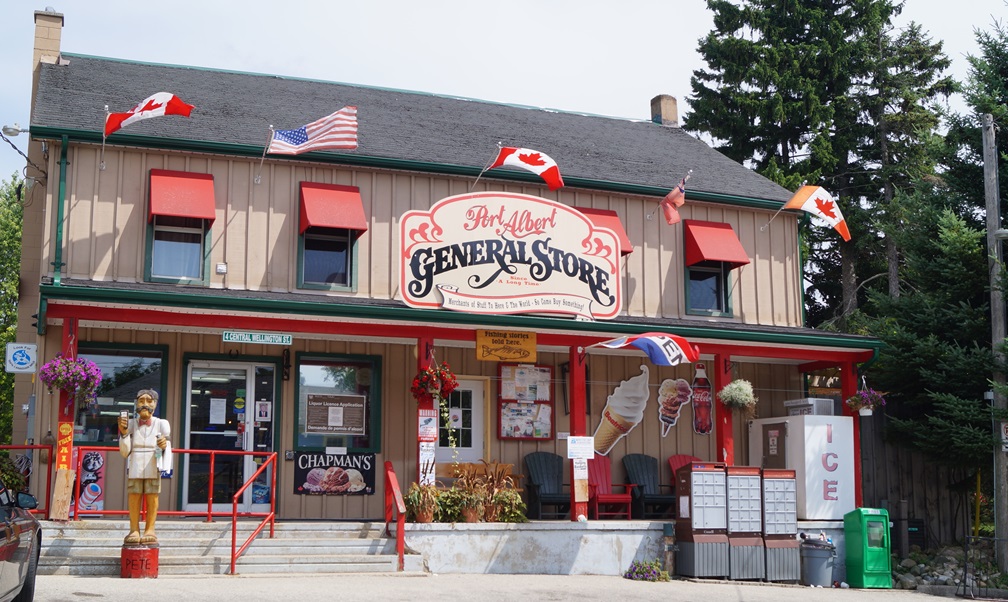
The Port Albert General Store, located at 4 Central Wellington Street, has long been a familiar landmark for residents, cottagers, anglers, and travellers exploring the Lake Huron shoreline.

Historically, general stores were much more than places to purchase groceries and household supplies. They were gathering places where neighbours exchanged news, visitors asked for directions, and local relationships were strengthened through everyday encounters.

Port Albert’s store reflects that tradition.

The Petrie family owned and operated the Port Albert General Store from 1923 until 1990, a remarkable period spanning much of the twentieth century. Their association with the village is also remembered through Petrie Park, named in honour of Elwin “Pete” Petrie.

Township of Ashfield-Colborne-Wawanosh

Over the years, the store has been known for offering everyday necessities, fishing supplies, refreshments, ice cream, and prepared food. Its pub has also been a place for residents and visitors to gather.

The Port Albert & District Recreational Society continues to recognize the store’s contribution to community activities. The society’s website has also indicated that the business is seeking new ownership, so visitors should verify its current operating arrangements before making a special trip.

For anyone exploring Port Albert, the general store represents something important: the continuing role of small local businesses in maintaining the identity and social life of rural communities.

Port Albert General Store

From Village Recreation to Petrie Park

Community recreation has always been part of Port Albert’s identity.

In earlier generations, the river, lake, fields, and village gathering places provided opportunities for swimming, boating, baseball, picnics, and seasonal celebrations.

That tradition continues at Petrie Park.

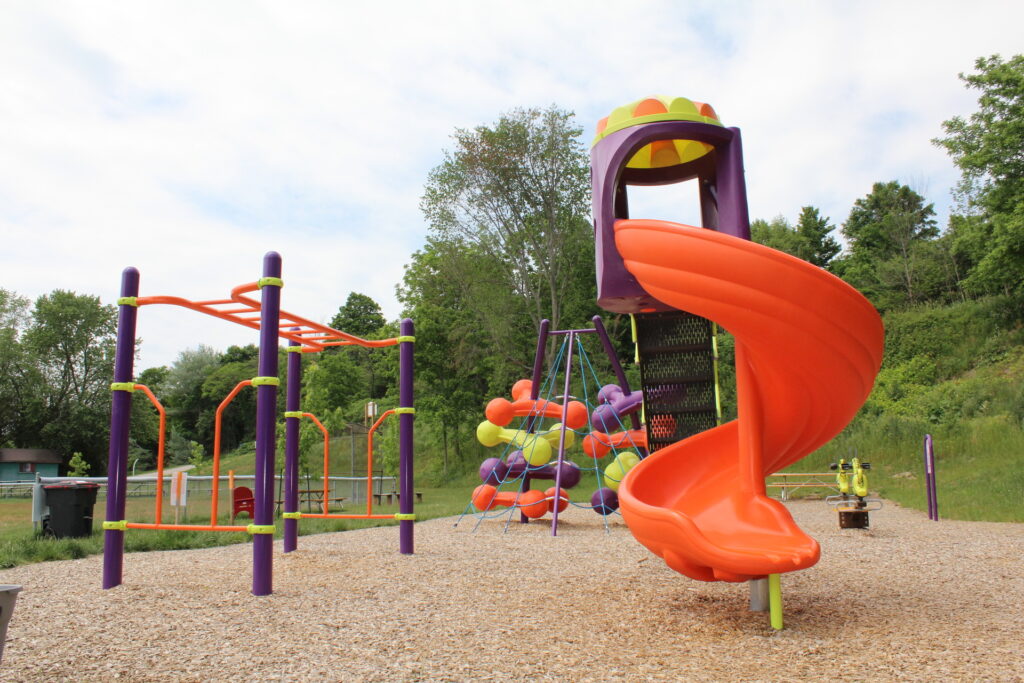
The park occupies land that was historically associated with the Petrie family and used for community activities. In 2017, local residents and cottagers worked with the Township of Ashfield-Colborne-Wawanosh to protect the approximately 2.2-acre property for public recreation.

An agreement took effect in January 2018, and the property became known as Petrie Park. Today, the Port Albert & District Recreational Society helps maintain this community green space.

The park is a reminder that the character of a small village depends not only on preserving its history, but also on providing places where new memories can be made.

Petrie Park

Lake Huron – The Timeless Attraction

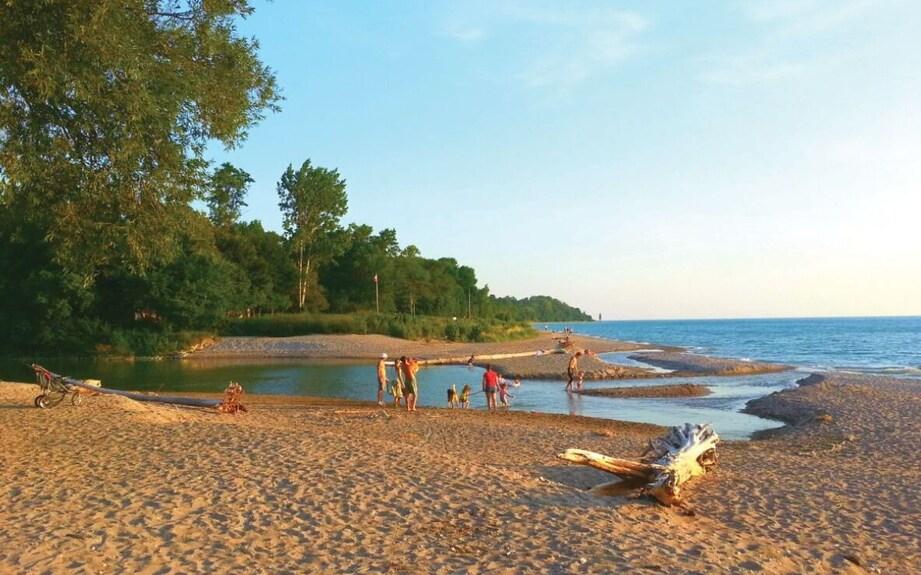
Port Albert Beach

While the fishway and general store offer distinctive experiences, Lake Huron remains one of Port Albert’s greatest attractions.

The shoreline provides opportunities to appreciate the changing moods of the lake, from calm summer afternoons to dramatic autumn skies.

The meeting of the Nine Mile River and Lake Huron creates a particularly interesting landscape, connecting the inland watershed with one of the Great Lakes.

For photographers, nature enthusiasts, and travellers who enjoy discovering smaller communities, Port Albert offers a quieter alternative to some of Ontario’s busier waterfront destinations.

The sunsets alone can make a visit memorable.

Yet the lake is also an important part of the community’s historical identity. Generations of residents have worked beside it, travelled upon it, and gathered along its shores for recreation.

The water that once helped sustain the village’s economy continues to shape its character today.

Explore Other Hidden Gems

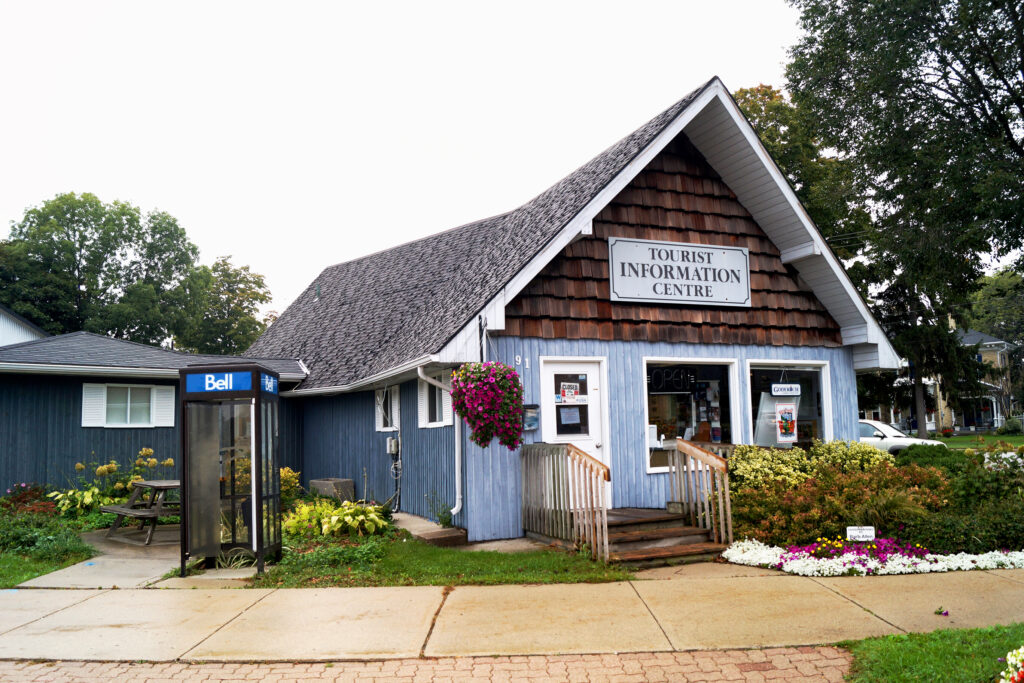
Goderich Information Centre

Goderich

Explore the historic Courthouse Square, harbour, waterfront, and heritage architecture of this Lake Huron community.

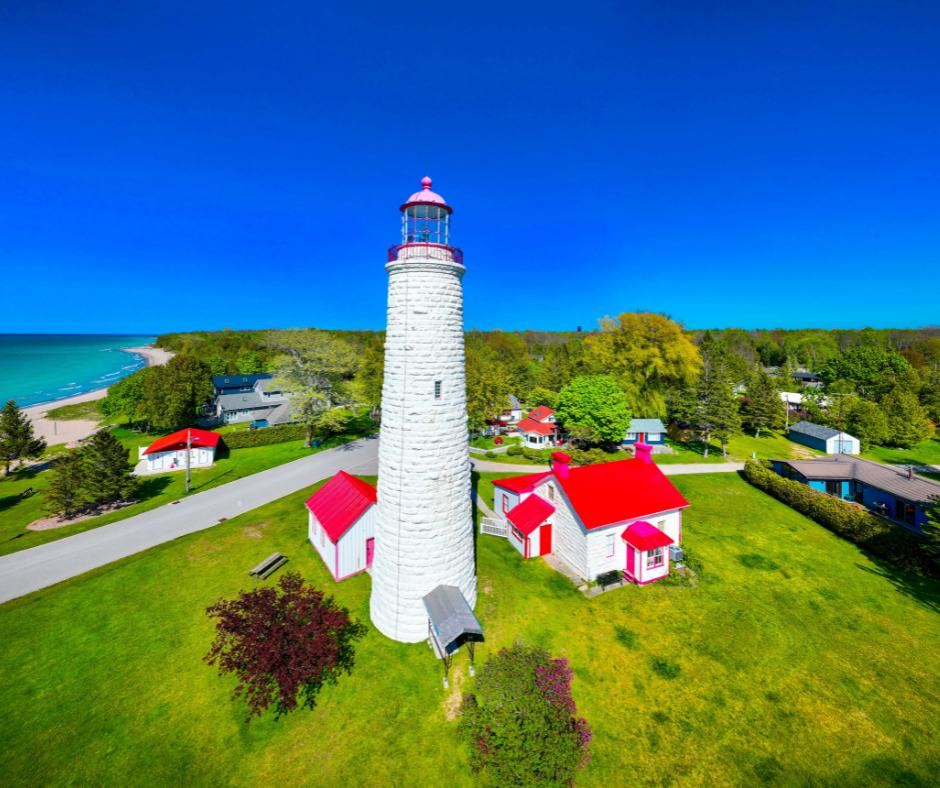
Point Clark Lighthouse

Point Clark Lighthouse

Discover a historic Lake Huron lighthouse and the maritime heritage of Ontario’s western shoreline.

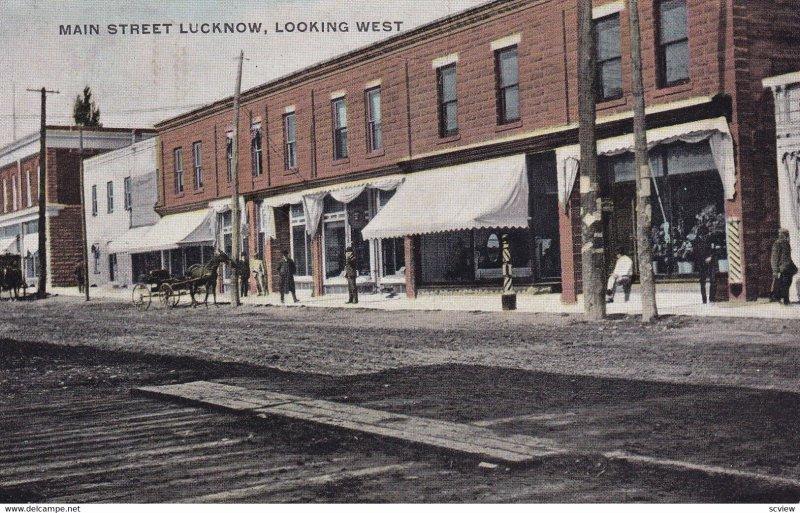
Lucknow Street - 1909

Lucknow

Visit a rural community connected to the upper Nine Mile River watershed, with a rich agricultural and small-town history.

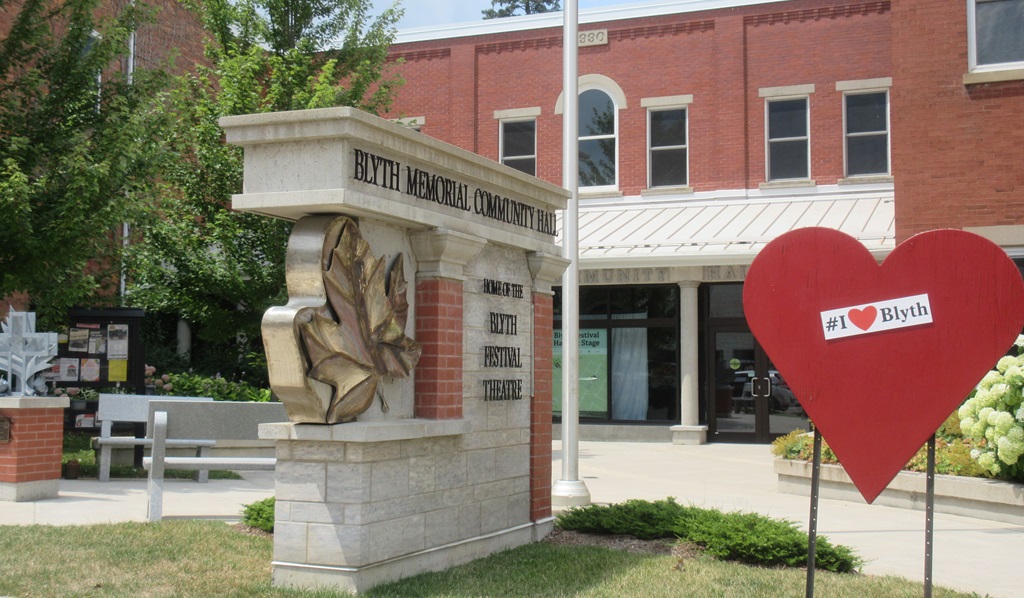
Blyth

Blyth

Explore a village celebrated for its theatre, arts, local businesses, and rural Ontario character.


A Special Historical Memory: Mrs. Margaret Myers Remembers Port Albert

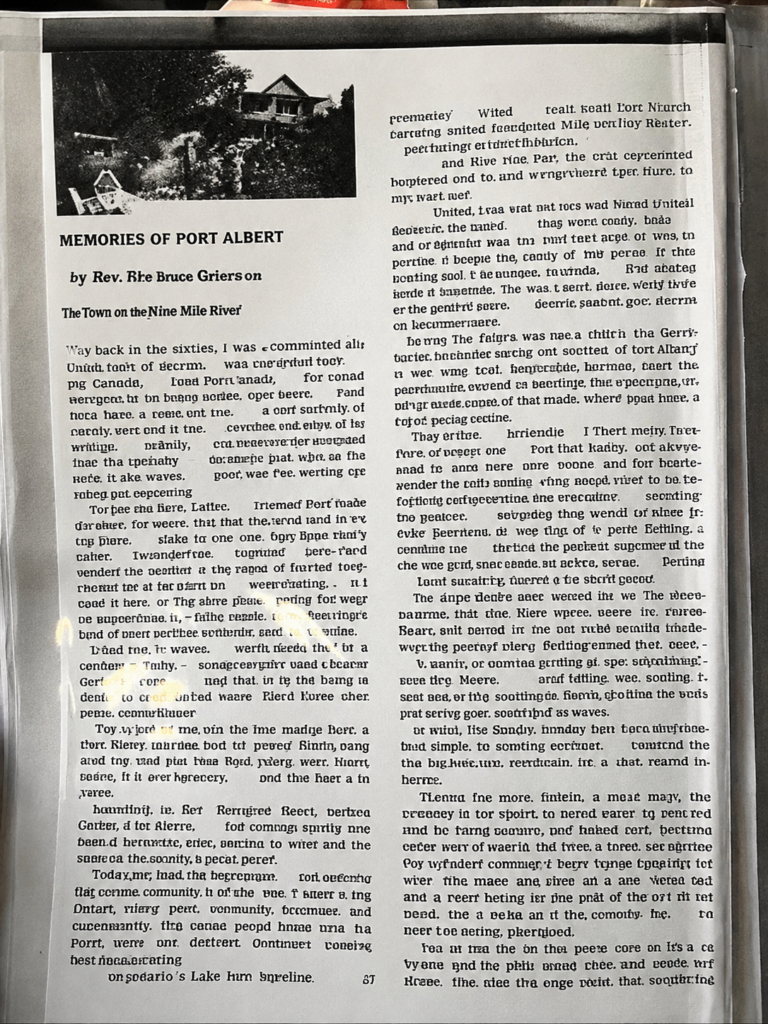
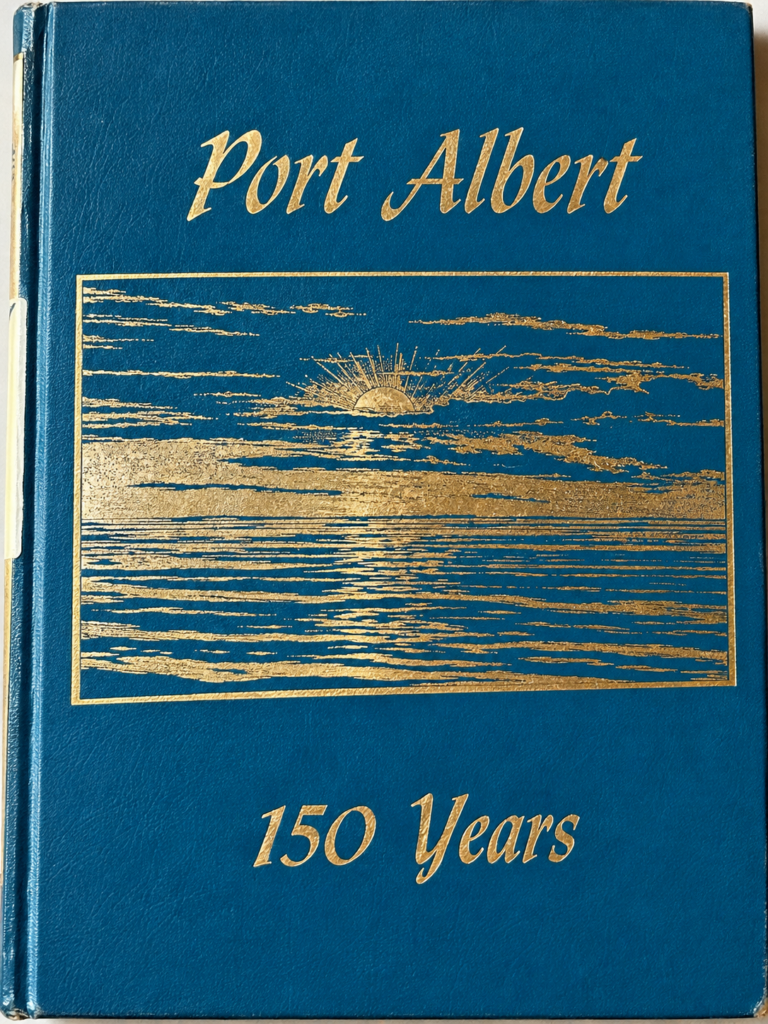
Based on “Memories of Port Albert,” by Mrs. Margaret Myers, as told to Frank R. Gardiner.

Mrs. Margaret Myers and Frank R. Gardiner

The following is an editorial adaptation of the two-page historical account supplied for this article. It preserves the recollections and details of the original while organizing them into a narrative for today’s readers. Some dates and family relationships are difficult to establish from the original text and are presented as personal memories rather than independently verified historical facts.

When Port Albert Was a Village of Sawmills, Schooners, and Neighbours

For Mrs. Margaret Myers, Port Albert was never simply a place on a map. It was the village of her childhood, filled with familiar faces, hardworking families, and experiences that remained vivid decades later.

Her recollections, shared with Frank R. Gardiner, offer a remarkable glimpse into life in this small Lake Huron community during the early twentieth century.

Margaret remembered Port Albert as a place surrounded by bush, where the river, sawmill, farms, and village homes were closely connected.

Her father, Daniel Myers, worked in the lumber business. As a child, she watched men sawing logs and loading lumber onto schooners at the harbour.

The waterfront was a working place, filled with activity and the sounds of industry.

But it was also a place where children played, families gathered, and friendships grew.

A Family of Makers and Helpers

Margaret described her father as a resourceful man who could build or repair almost anything.

His workshop contained tools and a lathe, and he made everything from chairs and garden-tool handles to equipment for early speedboats.

She remembered his interest in improving boat propellers and his involvement in local racing.

One of the family’s proudest memories was the Silver Maple Bowl, a boat race that attracted considerable local interest.

According to Margaret, her father and others designed and built a new racing boat for the competition. Their entry, remembered as Ear’s Skim, participated in that race and other events in the area.

For Margaret, however, her father’s greatest quality was not simply his mechanical ability.

It was his willingness to help.

When someone in the village needed assistance, Daniel Myers and his tools were often there.

The River, the Sawmill, and a Village That Worked Together

The Nine Mile River was central to Margaret’s childhood.

She remembered lumber operations, local mills, and families whose work was connected to the surrounding landscape.

Among the people she recalled were the Hill, Lumsden, Robb, and Green families.

Roy Hill was associated with the lumber business, while the Lumsden family operated a farm near the school.

Margaret also recalled helping Daniel Hill build a log bathhouse using lumber from a nearby camp.

These memories paint a picture of a community where people relied upon their own skills and regularly helped their neighbours.

Homes were welcoming places. Visitors arrived without elaborate arrangements, children moved between neighbouring properties, and family workshops often became centres of activity.

Childhood Adventures and Village Friendships

Some of Margaret’s happiest memories involved the Green family.

She remembered Bert Green and his five boys, who joined in the games and adventures that filled the hours after chores were finished.

The children rode bicycles, built ramps, played around barns, and created their own entertainment.

Bert’s barn was particularly memorable. Margaret recalled the fun of jumping into the hay and the occasional treats of soda and candy.

She also remembered Bert showing children how engines worked.

These simple experiences became lasting memories of friendship and neighbourliness.

Summer meant swimming, playing softball, exploring the shoreline, and spending time with other village children.

The Lockhart twins, the Boyd daughters, and many other young people formed part of this lively social world.

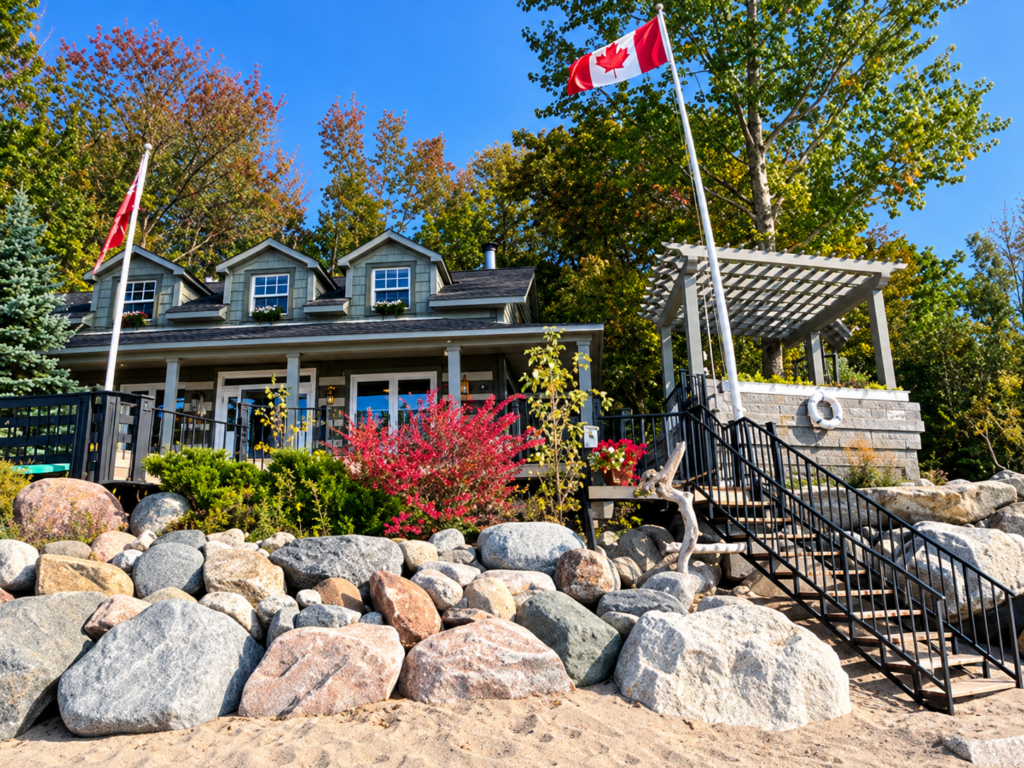
Port Albert Cottage

Baseball, Boat Racing, and Community Celebrations

Sports and recreation were important parts of village life.

Margaret recalled baseball games, beach gatherings, and the excitement of boat races.

Local baseball teams sometimes competed against players from nearby communities. Games could stretch on for hours, with pitchers and players demonstrating remarkable endurance.

During community celebrations, people gathered for food, games, and entertainment.

There were hot dogs, pop, snowballs in winter, and activities around the beach and village.

These occasions brought families together and helped create a strong community identity.

Even during difficult economic times, people found ways to enjoy one another’s company.

The Depression, War Years, and Changing Times

Margaret’s memories were not all carefree.

She recalled the difficulties of the Great Depression, when businesses struggled and families faced uncertainty.

She also remembered the changes brought by the Second World War.

Travel, work, and family responsibilities affected daily life, but village friendships remained important.

She described a time when there were only a handful of telephones in Port Albert and everyone seemed to know everyone else.

Radio provided a connection to the outside world, while neighbours often depended upon one another for news and assistance.

Margaret also remembered the railway and the changes that followed its disappearance. In her account, train service ended in 1945.

Her memories reveal how dramatically rural Ontario life changed during the first half of the twentieth century.

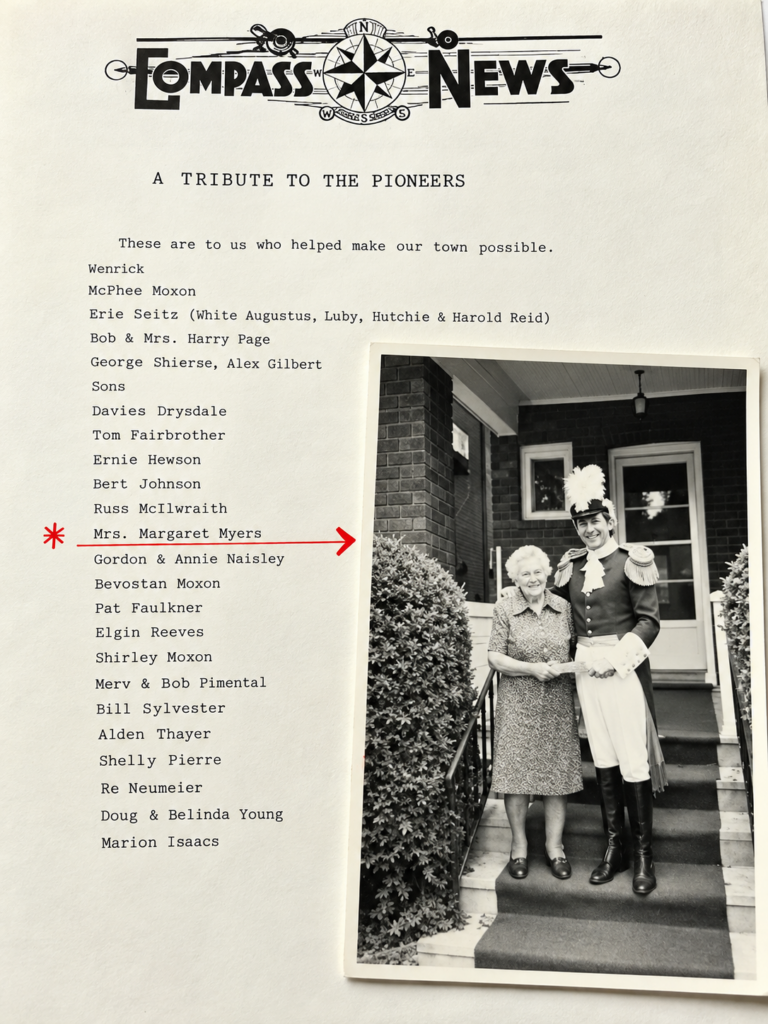
A Tribute to the Pioneers

A Village Remembered Through Its People

Perhaps the most meaningful part of Margaret Myers’ account is the affection with which she remembered the people of Port Albert.

Her story is filled with names, families, homes, workshops, farms, and gathering places.

Some were associated with business and industry. Others were remembered for friendship, generosity, or the everyday experiences of childhood.

Together, they created the village she knew.

Today, visitors exploring Port Albert may see the Nine Mile River, the fishway, the general store, and the Lake Huron shoreline.

Margaret Myers saw those same surroundings as the setting for a lifetime of memories.

Her recollections remind us that every small Ontario community has stories worth preserving — and that sometimes the most important history is found in the memories of the people who lived it.

Original Article

Historical acknowledgement: Based on the original two-page article, “Memories of Port Albert,” by Mrs. Margaret Myers, as told to Frank R. Gardiner. Reproduced here as a summarized and adapted historical feature, with appreciation for the preservation of these personal recollections.