





Executive Summary
Ontario’s historic lighthouses, once vital to lake-freighter navigation and then left to weather and vandals, are shining again, this time as art studios, concert halls, and residency spaces. Eighteen towers now host everything from plein-air workshops at Point Clark to projection-mapping festivals in Thunder Bay, drawing more than 200 000 visitors a year. Ticket sales, artist leases, and pop-up events cover up to half of each site’s restoration costs, while nearby cafés, B&Bs, and outfitters reap the spillover. The result is a low-cost model for heritage preservation that swaps foghorns for fiddles and keeps shoreline history alive through creativity rather than government cheques
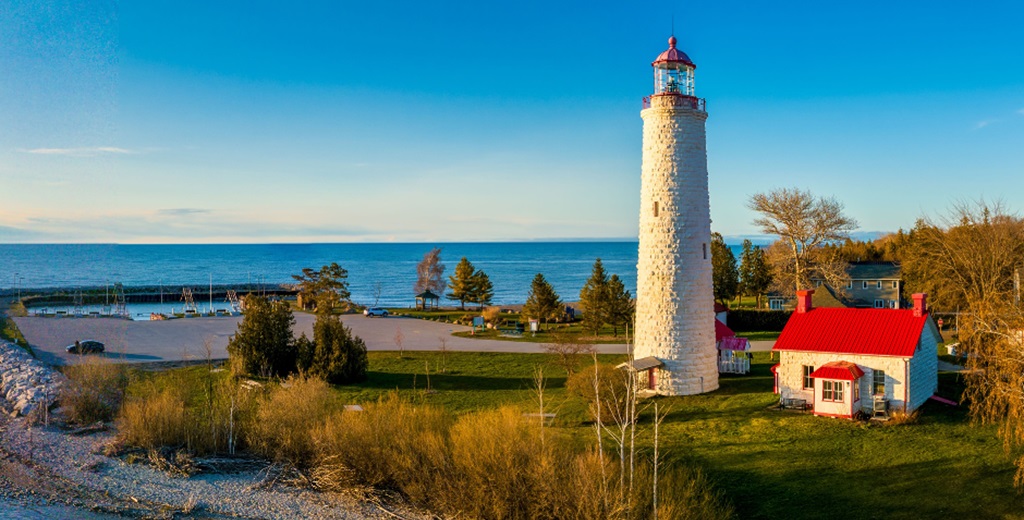
Point Clark Lighthouse
How Ontario’s Lighthouses Became Art Studios, Concert Halls, and Community Anchors
One August evening at Point Clark Lighthouse a handful of locals carried lawn-chairs onto the grass while a potter in clay-splattered jeans climbed the spiral stairs. Minutes later, cello notes drifted down from the lantern room and the potter’s raku bowls, still warm from a kiln set up beside the keeper’s cottage, caught the sunset like tiny copper sunsets of their own. No ships needed the beacon that night, yet the 1859 tower kept doing its job: drawing people safely together.
A second life for old beacons
Across Ontario’s 4 000-kilometre shoreline, at least eighteen historic lighthouses now double as creative hubs. Some host plein-air painting weekends; others, like Artscape Gibraltar Point on the Toronto Islands, run year-round residencies that lure choreographers from Rio and printmakers from Reykjavík. Thunder Bay turns its break-wall light into a projection screen each November, splashing northern lights animations across the concrete when real auroras hide behind cloud.
Why the renaissance? Partly necessity: the federal heritage budget can’t keep pace with freeze-thaw cracks and rising lake levels, so communities began leasing space to artists who, in turn, raise restoration cash through workshops, pop-up galleries, even full-moon poetry slams. But there’s a cultural tug as well. Travellers, especially Gen Z road-trippers and carbon-counting families, crave experiences over souvenirs. Spending a dusk hour inside a cedar-scented lantern room beats buying another fridge magnet.
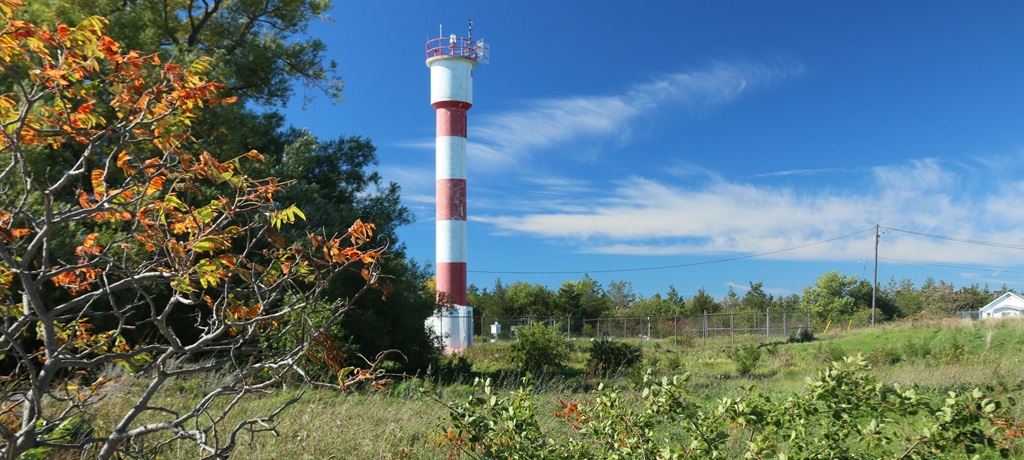
Point Petre Lighthouse
What it means on the ground
Restoring a stone tower costs roughly $120 000 a year. Ticketed cello recitals, micro-campground fees, and sales of lighthouse-branded watercolours now cover more than half of that at several sites. Nearby businesses feel the glow: a lone café in the village of Amberley reported an 18 percent sales jump on summer Fridays once Point Clark’s “Gallery-in-the-Lantern” series began. In Prince Edward County, night-sky poetry events at the Point Petre Range Light keep Airbnb bookings humming deep into October.
Yet curators tread carefully. Too many visitors can unravel the hush that makes these places magic, so most towers cap lantern-room audiences at twenty and ban drones during nesting season. Erosion is the harder foe, Lake Huron chews metres of clay bluff in a single storm. Volunteers repaint lantern trim by day; engineers sketch revetment walls by night.
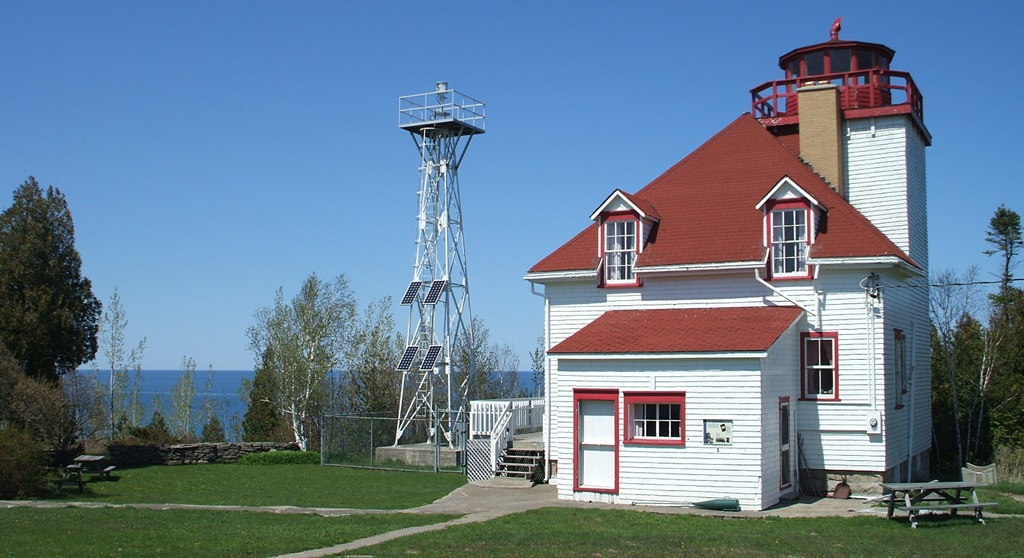
Cabot Head Lighthouse
A new kind of navigation
Climb any of these stairs and you’ll see more than water. You’ll see a proof-of-concept: heritage buildings can pay their own way when imagination is the tenant. The mariner’s maxim “keep the light in sight” has found a civic echo. Today the beams guide painters, violinists, campers, and curiosity-seekers toward slower travel and shared stories.
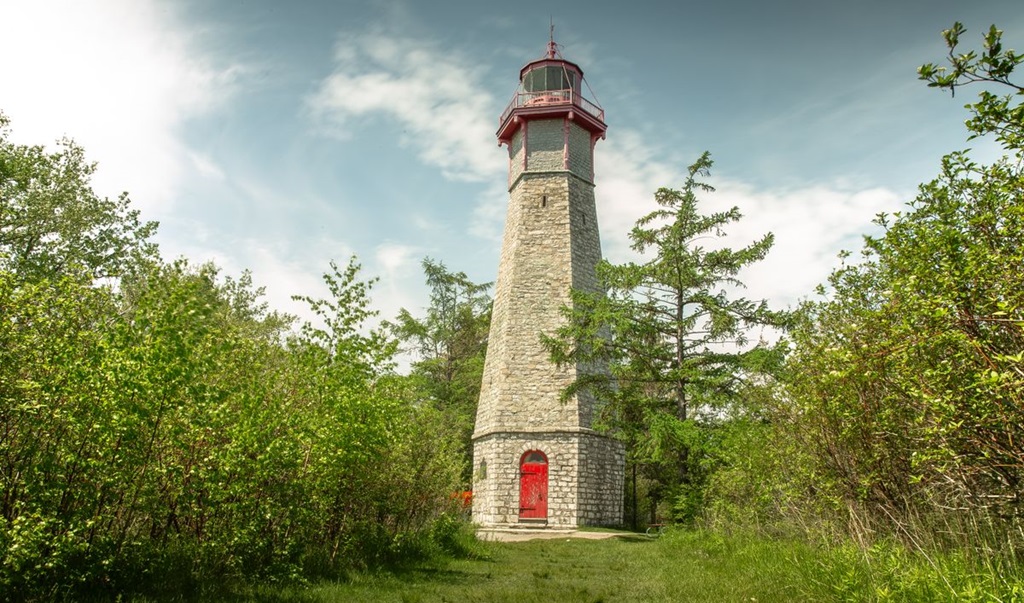
Gibraltar Point Lighthouse – Toronto Island
If you go
Paddle-in, paint-out days at Cabot Head sell out fast, book by March. Point Clark rents its two-bed keeper’s loft mid-week if you promise to brew coffee for dawn photographers. And wherever you end up, bring a small stone from shore; lighthouse volunteers use them to weight the edge of new mortar, one pebble and one community at a time.
Standing beneath a flashing lens that once warned timber schooners off shoals, you may realise the lamp still signals safe passage, only now it steers us toward creativity, stewardship, and the gentle thrill of discovering wonder in our own backyard.
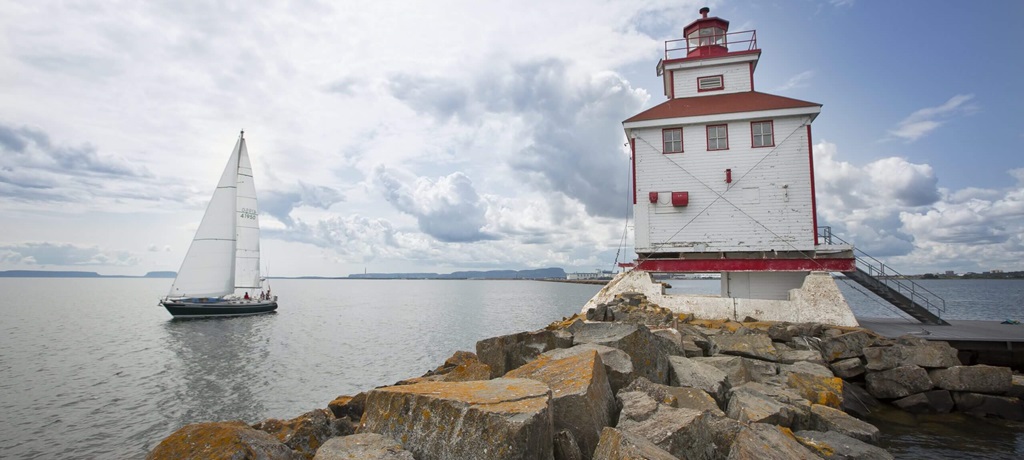
Thunder Bay Main Lighthouse