












WHEN THE MUSIC STOPS
“The Fight to Save Ontario’s Festivals and Events”
PART SEVEN OF TEN
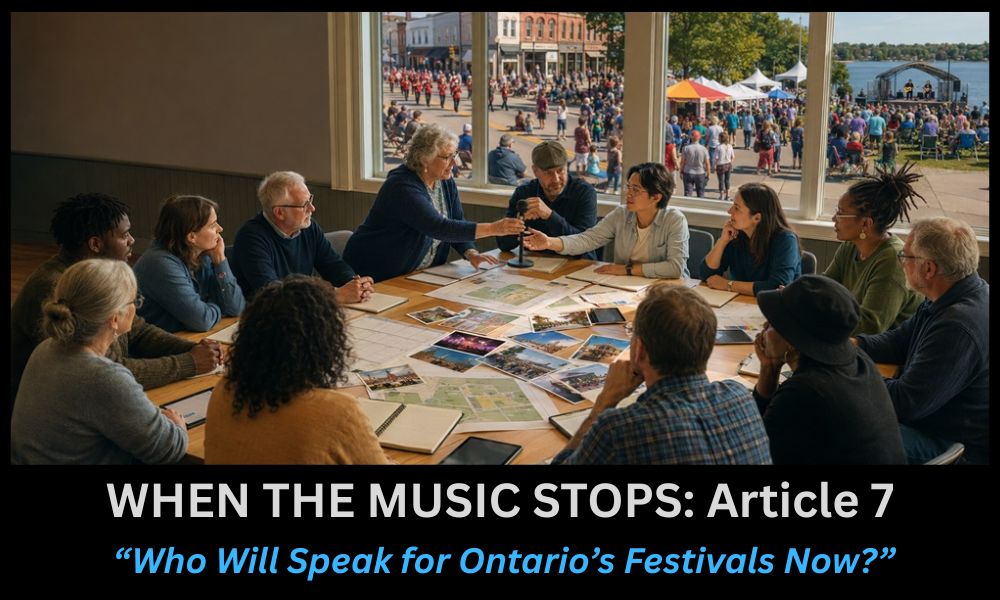
Who Will Speak for Ontario’s Festivals Now?
“Rebuilding the Collective Voice of a Fragmented Industry”
Ontario Perspectives • Special Investigative Series
Executive Summary
Ontario’s broader festival and event community has lost its principal dedicated provincial association.
For almost four decades, Festivals and Events Ontario—widely known as FEO—connected organizers, provided education, encouraged professional development, promoted successful events, recognized excellence and attempted to represent the industry’s collective interests.
FEO’s sudden cessation of active operations in 2026 is examined separately in the special report, What Happened to Festivals and Events Ontario? That report considers the events surrounding the closure, the questions that remain unanswered and the need for an independent examination.
This article addresses the equally important question of what happens next.
Ontario continues to invest in individual festivals because governments recognize their economic, tourism and community value. Funding individual events, however, does not replace the need for an independent organization capable of educating, connecting and representing the industry as a whole.
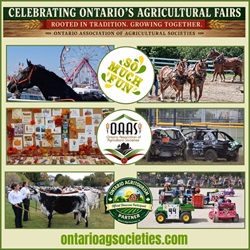
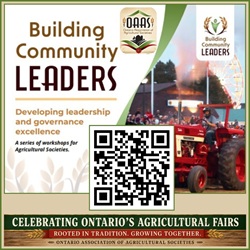
An important distinction must be made concerning Ontario’s agricultural fairs. Although fairs are events and some were associated with FEO, agricultural societies and their fairs are principally represented by the Ontario Association of Agricultural Societies. OAAS is a distinctly different and considerably more stable organization with its own provincial board, district structure, annual convention and mandate to support agricultural societies.
FEO’s closure has therefore not left agricultural fairs without their principal provincial voice.
The greatest leadership vacuum exists among community, cultural, music, arts, heritage, food, street, waterfront, seasonal and other festivals that do not possess an equivalent specialized provincial association.
Ontario needs more than a replacement name, annual conference or awards program. It needs a financially sustainable, professionally governed and genuinely representative organization capable of collecting evidence, delivering practical education, developing future leaders and speaking honestly to governments.
A successor should work alongside OAAS and other established organizations, not attempt to replace or duplicate them.
Ontario’s festivals have not lost their individual voices.
They have lost the place where those voices became one.
About This Series
When the Music Stops is a ten-part examination of the pressures threatening Ontario’s festivals, fairs and community events—and the actions that could help them survive.
These gatherings generate economic activity, preserve traditions, encourage volunteerism, develop community leaders and give residents a shared sense of place.
When an event disappears, the loss reaches far beyond its organizing committee.
A little of the community disappears with it.
Thousands of Events, Thousands of Separate Voices
Ontario’s festival and event industry is not one easily defined group.
It includes professionally managed festivals attracting national and international visitors. It also includes small-town celebrations organized by volunteers meeting around a kitchen table.
It includes cultural festivals, music events, arts celebrations, food festivals, historical commemorations, parades, waterfront festivals, winter carnivals, community fundraisers and municipal celebrations.
Some operate with substantial budgets and permanent employees. Others survive through grants, fundraising, donated services and the willingness of a few people to accept enormous responsibility.
Their locations, audiences and programs may be different, but many of their challenges are the same:
- Unstable government and corporate funding.
- Rising insurance premiums and restricted coverage.
- Increasingly complicated regulations and municipal requirements.
- Declining and aging volunteer bases.
- Weak leadership succession.
- Weather emergencies and cancellation risks.
- Insecure access to parks, streets and other event sites.
- Rising supplier, entertainment, security and equipment costs.
- Difficulty measuring and demonstrating economic impact.
- Loss of direction or relevance within the community.
When one festival raises these concerns, it may be seen as an isolated organization seeking additional support.
When hundreds of festivals document the same problems and speak collectively, they become an industry that governments, municipalities and corporate partners cannot easily ignore.
That is the difference a strong provincial association can make.
Funding Events Is Not the Same as Supporting an Industry
In April 2026, Ontario announced an investment of more than $20 million through Experience Ontario to support nearly 400 festivals and events.
That investment matters. It recognizes that festivals attract visitors, support employment and generate economic activity throughout the province.
However, funding individual events is not the same as supporting the infrastructure required by the industry as a whole.
A grant may help one festival hire performers, expand its programming or advertise outside its community. It does not necessarily:
- Train volunteer boards.
- Develop shared safety and emergency resources.
- Represent organizers in government consultations.
- Research insurance costs and coverage restrictions.
- Track festival cancellations and closures.
- Develop leadership-succession programs.
- Connect smaller events with qualified suppliers.
- Preserve the knowledge of retiring organizers.
- Bring festivals together to exchange solutions.
- Explain the cumulative effect of regulations and municipal fees.
- Advocate for more effective funding programs.
Ontario needs both successful individual events and a strong support system connecting them.
The province would not assume that supporting individual farms removes the need for agricultural organizations. It would not conclude that funding individual tourism businesses eliminates the need for destination and industry associations.
Festivals deserve the same recognition.
Source: Ontario investing more than $20 million to support local festivals and events
An Important Distinction: Agricultural Fairs Have Their Own Provincial Voice
Agricultural fairs are events, and a small number of fairs were—or may once have been—members of Festivals and Events Ontario.
However, Ontario’s agricultural fairs should not be portrayed as having depended primarily upon FEO for their provincial representation.
Agricultural societies and their fairs are principally represented by the Ontario Association of Agricultural Societies. OAAS is a substantially different organization from FEO, with a specialized mandate and a long-established provincial and district structure.
OAAS represents more than 210 agricultural societies across Ontario. Its governance includes a provincial board with directors representing each of the province’s 15 districts. Its annual convention brings together upwards of 1,000 delegates for education, information and networking intended to strengthen individual agricultural societies.
Its mission is direct: to provide leadership, guidance, education and resources for its member agricultural societies.
FEO, by comparison, represented a broader and more varied festival and event community. Its participants included many different kinds of festivals, municipal event professionals and industry suppliers.
Some agricultural fairs participated in both worlds, but FEO was not their principal representative organization.
This distinction matters because the closure of FEO did not leave Ontario’s agricultural fairs without a provincial voice. OAAS continues to provide a comparatively stable organizational home for the province’s agricultural societies.
The leadership vacuum is most severe among the many festivals and community events that do not have an equivalent specialized provincial association.
These include:
- Community and civic festivals.
- Music and arts events.
- Cultural and multicultural celebrations.
- Food festivals.
- Heritage events and historical commemorations.
- Parades and seasonal celebrations.
- Waterfront and street festivals.
- Volunteer-run community events.
- Independent festivals that do not fit naturally within another association.
Some may belong to tourism, cultural, municipal or regional organizations. Those organizations provide valuable services, but none has the same singular relationship with these festivals that OAAS has with agricultural societies.
The objective of rebuilding Ontario’s festival voice should therefore not be to replace, duplicate or absorb OAAS.
A new festival organization should work alongside it.
The two would have overlapping interests in insurance, volunteerism, government funding, regulations, weather preparedness, accessibility and community impact. They could collaborate on research, advocacy and education while respecting their different memberships and mandates.
OAAS also provides a useful lesson. A provincial organization can become stronger when members are connected through regional structures, local concerns have a route to provincial leadership and the organization’s mandate is clearly understood.
Ontario’s broader festival community can learn from that stability without attempting to recreate OAAS or interfere with its role.
Agricultural fairs already possess a provincial organization dedicated to their interests.
Ontario’s wider festival and event community now needs a stable and effective voice of its own.
Source: Ontario Association of Agricultural Societies—official overview
Existing Organizations Matter—but None Should Be Expected to Do Everything
Ontario is not without tourism, cultural and municipal organizations.
The Tourism Industry Association of Ontario represents the province’s broader tourism industry. Regional tourism organizations and destination marketing organizations support tourism development and promotion. Municipal associations, chambers of commerce, arts organizations and cultural networks also contribute knowledge and advocacy.
These organizations should be important partners in rebuilding a collective festival voice.
But none should automatically be expected to absorb the complete role previously associated with FEO.
Tourism organizations represent accommodations, attractions, destinations and other businesses as well as events. Municipal organizations naturally approach festivals from a municipal perspective. Arts and cultural organizations serve wider communities extending beyond event production.
Their work is valuable, but their mandates are not identical.
Ontario still needs a place where the primary subject is the festival and event industry itself.
The objective should not be to compete with existing associations. It should be to connect their expertise while filling the gap that now exists.
Sources: Tourism Industry Association of Ontario; Ontario Association of Agricultural Societies
The Cost of Having No Collective Voice
The effects of losing a provincial association may not be immediately visible.
Festivals continue. Parades still travel down Main Street. Musicians take the stage and community volunteers welcome visitors.
The absence is felt gradually.
An organizer has a question about insurance but does not know who else is facing the same problem. A volunteer board needs succession advice but cannot afford a consultant. A municipal policy creates difficulties in several communities, yet no organization collects the examples.
A funding program changes, but the industry has no dedicated representative prepared to explain the consequences.
One by one, organizers search for answers independently.
That duplication wastes time and money. More importantly, it prevents local experiences from becoming provincial evidence.
Without a collective voice, governments may hear primarily from the largest festivals with professional staff and established relationships.
Smaller, rural, northern and volunteer-run events may remain invisible until they announce that they can no longer continue.
By then, help may arrive too late.
What Representation Should Actually Mean
A provincial association must do more than issue newsletters, maintain a directory and hold an annual conference.
Representation begins with listening.
A new organization must understand what is happening in communities before it can speak credibly on their behalf. It needs regular contact with large and small events, municipalities, suppliers, volunteers and professional organizers.
It must collect evidence, identify patterns and translate those findings into practical recommendations.
Representation also requires the courage to speak honestly.
There will be times when the organization must tell government that a grant program is too complicated, an application period is too short or eligibility rules exclude the events most in need.
It may need to explain that municipal requirements are inconsistent, insurance has become unaffordable or emergency-planning expectations exceed the capacity of volunteer organizations.
That is not hostility toward government.
It is the reason an independent association exists.
A strong industry organization should work constructively with provincial and municipal governments while retaining the independence to disagree with them.
If an association cannot speak honestly because it fears losing its only important source of funding, it does not have a sustainable advocacy model.
Small Community Festivals Must Be at the Table
A provincial organization can easily become dominated by events with the largest budgets, most employees and greatest ability to attend meetings.
That must not happen.
Small volunteer-run events are often the celebrations most closely connected to community identity. They may not generate the largest attendance figures, but their disappearance can leave a profound local emptiness.
A cultural festival may provide one of the few public opportunities for a community to share its heritage. A small-town parade may bring service clubs, schools, businesses and families together in a way no other activity does. A local heritage celebration may preserve stories that would otherwise disappear.
These events need representation that understands their realities:
- Few or no paid staff members.
- Volunteers balancing the festival with employment and family responsibilities.
- Small local sponsorship markets.
- Dependence upon municipal property and support.
- Limited access to legal, financial and insurance advice.
- Difficulty attending expensive provincial conferences.
- Leadership concentrated among a few long-serving people.
- Little capacity to complete complex applications and reports.
A new provincial organization should not measure an event’s importance solely by budget, attendance or visitor spending.
Community value must also count.
Rural and Northern Ontario Cannot Be Afterthoughts
Ontario’s geography creates a serious representation challenge.
A province-wide organization cannot claim to represent northern and remote communities if every important meeting, training program and conference requires expensive travel to southern Ontario.
Northern festivals can face shorter event seasons, higher transportation costs, limited supplier availability, smaller volunteer pools and long distances between communities.
Rural community festivals may face similar difficulties, even when geographically closer to major centres.
Regional meetings, travelling workshops and online education must be built into the organization from the beginning.
A major annual conference may remain valuable, but it should not be the only meaningful way to participate.
Representation must travel in both directions. Provincial leaders need to visit the communities they claim to represent, rather than continually expecting every organizer to come to them.
Education Is Not an Optional Member Benefit
Event management has become too complicated to rely entirely upon tradition and informal knowledge.
Organizers must understand insurance, accessibility, emergency planning, food safety, alcohol service, temporary structures, volunteer management, sponsorship, privacy, financial controls and municipal regulations.
The people expected to understand these issues are often volunteers.
A provincial organization should provide practical and affordable education in areas including:
- Governance and board responsibilities.
- Financial management and budgeting.
- Grant writing and reporting.
- Sponsorship development.
- Insurance and risk management.
- Emergency and severe-weather planning.
- Accessibility and inclusive design.
- Volunteer recruitment and retention.
- Leadership succession.
- Marketing and audience development.
- Community and economic-impact measurement.
- Event renewal and revitalization.
- Working effectively with municipalities.
- Vendor and performer agreements.
- Crisis communication.
- Environmental sustainability.
Training should be available at different levels. A first-time volunteer does not need the same program as an experienced professional managing a major city festival.
The objective should be to make effective event management understandable and achievable—not to overwhelm volunteers with another collection of expectations.
The Industry Needs Its Own Evidence
Ontario does not have enough consistent, current and publicly accessible information about the condition of its broader festival industry.
How many events have disappeared?
How many have reduced their programming or operating days?
How much have insurance, security and equipment costs increased?
How many organizers expect to retire without successors?
How many festivals lack adequate operating reserves?
How many depend upon one municipal grant, one sponsor or one weekend of favourable weather?
Without credible evidence, every organizer must tell an isolated story.
Those stories are powerful, but government policy and long-term investment also require reliable data.
A new association should publish an annual State of Ontario Festivals and Events Report examining:
- Festival closures, cancellations and interruptions.
- Attendance and visitor spending.
- Employment and supplier activity.
- Government and corporate funding.
- Insurance costs and coverage limitations.
- Volunteer participation and leadership succession.
- Regulatory and municipal costs.
- Weather-related losses.
- Venue and land security.
- Accessibility and inclusion.
- Community and cultural impact.
- Organizer confidence about the following three to five years.
Where interests overlap, research could be conducted in partnership with OAAS, tourism organizations, municipalities and other sector bodies.
The resulting reports should combine statistics with community examples.
Numbers demonstrate the scale of a problem.
Stories explain why those numbers matter.
Recognition Must Continue—but It Should Also Teach
FEO’s awards and Top 100 Festivals and Events designation gave organizers and communities valuable recognition.
Ontario should preserve a credible festival recognition program, but its next version should do more than produce a list of winners.
Awards should identify practices from which other events can learn.
Categories could recognize:
- Volunteer development.
- Leadership succession.
- Accessibility.
- Financial recovery.
- Community partnerships.
- Rural and northern innovation.
- Environmental resilience.
- Cultural preservation.
- Youth participation.
- Successful festival revitalization.
- Risk and emergency planning.
- Community impact achieved with limited resources.
Award-winning examples could become case studies, presentations or downloadable guides.
Recognition should not only say, “This event succeeded.”
It should explain, “Here is what the rest of the industry can learn from it.”
Agricultural fairs would continue to receive recognition through OAAS and its own established programs. Collaborative recognition could be considered where festival and agricultural-fair interests overlap, but the new organization should respect the integrity of OAAS’s existing awards and competitions.
A View from the Festival Road
Over the years, I have attended industry conferences, served as an awards judge and met organizers responsible for events of every description.
The greatest value of a provincial association was not always found in the printed conference program.
It was often found in the conversation after a session.
Someone would mention a problem and another organizer would say, “We went through that last year.” Suddenly, the person facing the problem was no longer alone.
That is what Ontario risks losing.
The festival industry contains an extraordinary amount of knowledge, but much of it exists in the minds of experienced people. If we do not create ways to share and preserve that knowledge, it will disappear as those people retire.
A new organization must bring experienced and emerging leaders together. It must value the organizer who has managed a festival for 30 years and the younger volunteer asking why it must continue to be managed in exactly the same way.
Experience provides stability.
New thinking provides renewal.
Ontario’s festivals need both.
OAAS demonstrates the benefit of having an established structure through which knowledge, education and regional concerns can move. The broader festival community now needs a structure appropriate to its own much more varied membership.
The New Organization Must Learn from the Past
Whatever follows FEO must be built carefully.
It should not begin by recreating every former program and expense. It should begin by asking what Ontario’s festivals need now and what they will need during the next decade.
Its governance must include:
- Regular and understandable financial reporting.
- Clearly defined responsibilities for directors and staff.
- Independent financial oversight.
- Term limits and planned leadership renewal.
- Written staff and board-succession plans.
- Annual reporting to members.
- Transparent election and appointment processes.
- Conflict-of-interest policies.
- Meaningful regional and sector representation.
- Emergency-continuity planning.
- A process through which members can raise serious concerns.
The organization should also measure its own effectiveness.
Are members using its educational programs? Are smaller events participating? Has its advocacy influenced policy? Is it collecting reliable evidence? Do members understand its financial condition and strategic direction?
An association intended to teach sustainability must practise sustainability itself.
A Sustainable Financial Model
A new provincial festival association cannot depend too heavily upon one conference, government grant, sponsor or source of membership revenue.
Its income should be diversified.
Possible sources include:
- Affordable, tiered membership fees.
- Multi-year provincial operating support.
- Municipal and regional partnerships.
- Training and certification programs.
- Conference registrations.
- Supplier participation and trade exhibits.
- Research projects.
- Foundations and philanthropic support.
- Shared-service programs.
- Publications and specialized resources.
- Carefully managed sponsorship.
Membership levels should reflect organizational capacity. A small volunteer festival should not pay the same fee as a major event or municipality.
Government operating support will probably be necessary, particularly while the organization is being established. That funding should be multi-year so the association can plan, retain qualified people and avoid rebuilding its operations every twelve months.
It should also protect the organization’s independence.
Shared Services Could Produce Immediate Value
A new organization can demonstrate its value quickly by helping solve practical problems.
It could investigate group purchasing or preferred programs for:
- Insurance.
- Volunteer screening.
- Online ticketing.
- Accessibility assessments.
- Emergency communications.
- Weather monitoring.
- Board and volunteer training.
- Legal and contract templates.
- Accounting and financial controls.
- Equipment and supplier procurement.
Not every shared program will be possible. Insurance, in particular, requires specialized professional and regulatory expertise.
However, even a verified directory of providers who understand festivals would save organizers considerable time.
Membership becomes easier to justify when an association provides benefits that reduce risk, expense or workload.
Developing the Next Generation
Ontario’s festival industry faces a serious leadership-succession problem.
A provincial organization should not recruit young people only as event-day labour. It should help them become coordinators, committee chairs, board members and eventually industry leaders.
A province-wide mentorship program could connect experienced organizers with emerging volunteers. Colleges and universities could match students studying tourism, hospitality, business, communications and event management with community festivals.
Youth advisory positions should carry meaningful responsibility rather than symbolic titles.
The industry should also welcome mid-career and retired professionals with financial, marketing, legal, operational and leadership experience.
Succession works best when knowledge is transferred before the experienced person leaves.
The new organization should become a bridge between generations.
A Practical Structure for Rebuilding
Ontario does not need to wait for a perfect permanent organization before beginning.
A phased approach would be more realistic.
Phase One: An independent recovery roundtable
Representatives from community, cultural, music, arts, heritage, food, street and municipal festivals should identify the services that disappeared with FEO and determine which needs are most urgent.
Partner organizations—including OAAS, tourism associations and municipal groups—should also participate. Their role would be to offer expertise and identify areas of shared interest while maintaining their separate mandates.
Phase Two: An interim festival secretariat
A small temporary office could distribute funding and regulatory information, coordinate consultations, organize essential training and begin collecting industry data.
Its purpose would be to maintain connections while a permanent model is developed.
It should not become a government-controlled replacement for an independent association.
Phase Three: Regional listening sessions
Organizers throughout Ontario should be asked what they need, what they can reasonably afford and what would convince them to participate.
Listening must come before structure.
Phase Four: A founding assembly
A draft mandate, governance model, membership structure and financial plan should be presented publicly. Prospective members should be able to question, revise and approve the proposal.
Phase Five: A permanent independent association
The new organization should begin with realistic programs, secure multi-year resources and a clear system of accountability.
It should grow according to demonstrated need rather than attempting to become everything on its first day.
What the Province Can Do
Ontario should help convene the sector and provide transitional resources, but it should not select the industry’s leaders or control its advocacy.
The province can:
- Fund an independent needs assessment.
- Support a temporary secretariat.
- Help preserve FEO’s educational and historical resources where legally possible.
- Provide multi-year startup funding for a successor organization.
- Establish regular consultations with festival representatives.
- Assist with province-wide data collection.
- Include festival infrastructure in tourism and community-development planning.
- Encourage cooperation across ministries whose decisions affect events.
Festivals interact with tourism, culture, transportation, labour, public safety, health and municipal affairs.
Their concerns do not fit neatly within one department.
A provincial association can help connect those responsibilities.
What Municipalities Can Do
Municipalities are among the festival industry’s most important partners.
They provide parks, streets, facilities, permits, police, fire, waste services, grants and staff expertise. Many municipalities also produce their own events.
They should participate in creating a new provincial organization and encourage local festivals to become involved.
Municipalities can also share successful practices. A clear permit system developed in one community may help several others. A strong volunteer partnership or multi-year venue agreement could become a provincial model.
The goal should not be to eliminate local decision-making.
It should be to prevent every community from solving the same problems independently.
What Organizers Can Do
Organizers should not wait passively for someone else to rebuild their provincial voice.
They can:
- Document the pressures affecting their events.
- Preserve attendance, volunteer and financial information.
- Share successful practices.
- Participate in regional discussions.
- Identify the services they most need.
- Nominate emerging leaders.
- Support the new organization through membership and participation.
- Hold its leadership accountable.
- Remain open to working with events different from their own.
A collective voice is only credible when the people it represents contribute to it.
Reasons for Hope
FEO’s operations have ceased, but the relationships and knowledge it helped create remain.
Former members, staff, directors, speakers, judges, suppliers and organizers still possess decades of experience. Tourism and municipal organizations offer strong potential partnerships.
OAAS demonstrates that stable provincial representation, regional structure, continuing education and a major annual gathering are achievable in Ontario’s event environment.
The new festival organization does not need to duplicate OAAS. It can learn from it.
Technology also makes province-wide communication more accessible than it was when FEO was established in 1987. Online education can serve distant communities, while regional meetings and a provincial conference can retain the value of personal relationships.
FEO’s closure creates an opportunity—although one born from significant loss—to build a more inclusive, transparent and financially sustainable organization suited to the realities festivals now face.
The loss is real.
So is the opportunity to rebuild.
More Than a Replacement
Ontario should not search merely for another organization to hold a conference and present awards.
It should build an institution capable of helping festivals survive.
That means education rooted in practical experience. Advocacy supported by credible evidence. Governance members can trust. Recognition that benefits communities. Leadership development that prepares the next generation.
It means ensuring that a volunteer-run community celebration has a voice alongside a major urban festival.
It means bringing cultural, heritage, music, food, arts, seasonal and civic events together without erasing their differences.
It also means respecting the organizations already doing their work well. OAAS should continue representing Ontario’s agricultural societies and fairs. A new festival association should become its partner, not its competitor or replacement.
Festivals are not isolated weekends of entertainment.
They are part of Ontario’s community infrastructure.
The people who sustain that infrastructure need somewhere to learn, somewhere to meet and someone prepared to speak on their behalf.
FEO’s voice has fallen silent.
Ontario’s festivals have not.
Now those thousands of separate voices must come together and decide what they want to say next.
Related Special Report
What Happened to Festivals and Events Ontario?
The accompanying special report examines FEO’s sudden cessation of active operations, the February 2026 conference, the later members’ Zoom meeting, the annual meeting that did not occur because operations had ceased, the unanswered questions and the call for an independent examination.
A direct link should be added here when the special report is published.
Coming in Part Eight
When an Event Forgets Why It Exists
Not every festival disappears because of government policy, insurance, weather or declining funding.
Some gradually lose their way from within.
Part Eight will examine how resistant leadership, weakened succession, repetition without evaluation and the loss of a clear community purpose can undermine a once-successful celebration.
It will also explore how honest assessment, a balance of experience and new ideas, and a willingness to rediscover an event’s purpose can create a new path forward.
Explore the Series
- Part One: The Celebration We Could Lose
- Part Two: The Funding Crisis Behind the Fireworks
- Part Three: When Red Tape Replaces the Welcome Mat
- Part Four: The Cost of Being Careful
- Part Five: Who Will Raise the Tent Tomorrow?
- Part Six: When Nature Changes the Plan
- Part Seven: Who Will Speak for Ontario’s Festivals Now?
- Part Eight: When an Event Forgets Why It Exists
- Part Nine: A New Model for Survival
- Part Ten: Ontario’s Call to Action
Special Report
What Happened to Festivals and Events Ontario?
The Sudden Closure, the Unanswered Questions and the Search for Ontario’s New Festival Voice
Links can be added as the articles are published on Ontario Perspectives and OAT Field Notes.
Selected Sources and Further Reading
- Ontario Newsroom—more than $20 million for local festivals and events in 2026
- Festivals and Events Ontario—archived organizational overview
- Ontario Association of Agricultural Societies—official overview
- Tourism Industry Association of Ontario
- Ontario Tourism Regional Economic Impact Model
- Ontario Ministry of Tourism, Culture and Gaming—published plans and annual reports
This article addresses the future representation of Ontario’s broader festival and event community. The circumstances surrounding FEO’s cessation of operations are examined separately in the accompanying special report.